You’ve probably got one of two situations on your hands. You’re staring at a sleek timber-framed sofa with tapered legs and thinking, “This is exactly the look I want,” or you already own one and you’re trying to stop daily life from ruining it.
Key Takeaways Mid Century Sofas
Spot the Style: Look for a low profile, clean lines and tapered timber legs.
Vintage or New: Test vintage frames for wobble; check reproductions for true shape.
Care for Timber: Protect exposed timber from sun and vacuum upholstery gently.
Table of Contents
- Your Guide to the Timeless Mid-Century Sofa
- How We Evaluated Mid-Century Sofas for Real Homes
- The Enduring Allure of Mid-Century Design
- Why this look still works
- How to recognise a mid-century sofa
- Authentic Vintage vs Modern Reproduction
- What vintage does best
- Where reproductions make more sense
- How to Buy Your Perfect Mid-Century Couch
- If you’re buying vintage
- If you’re buying new
- Buying in Australia: the local realities
- Styling Your Sofa in Australian Interiors
- Making it work in smaller rooms
- Colour and texture that suit Australian light
- Protect and Refresh with Covers and Throws
- Why covers work especially well on this shape
- What works and what does not
- Essential Maintenance and Upholstery Care
- Timber frame care
- Fabric and cushion care
- Frequently Asked Questions
- What is a mid-century sofa?
- What is the most comfortable mid-century modern sofa?
- What color couch for mid-century modern?
- What is the 2/3 rule sofa?
- Are mid-century sofas a good fit for Australian homes?
Such is the story with a mid century sofa couch in an Australian home. It looks refined. It makes a rental feel more considered. It gives a compact living room some shape without swallowing the whole space. Then the practical bits arrive. Afternoon sun hits one arm every day. The dog claims the corner seat. Someone eats toast or takeaway on it. A child treats the cushions like gymnastics equipment.
The appeal is timeless, but living with one well takes more than admiring the silhouette. You need to know what makes a true mid-century piece different, whether vintage or reproduction suits your budget, how to style it without turning your lounge room into a museum, and how to protect it without making it look like an afterthought.
Your Guide to the Timeless Mid-Century Sofa
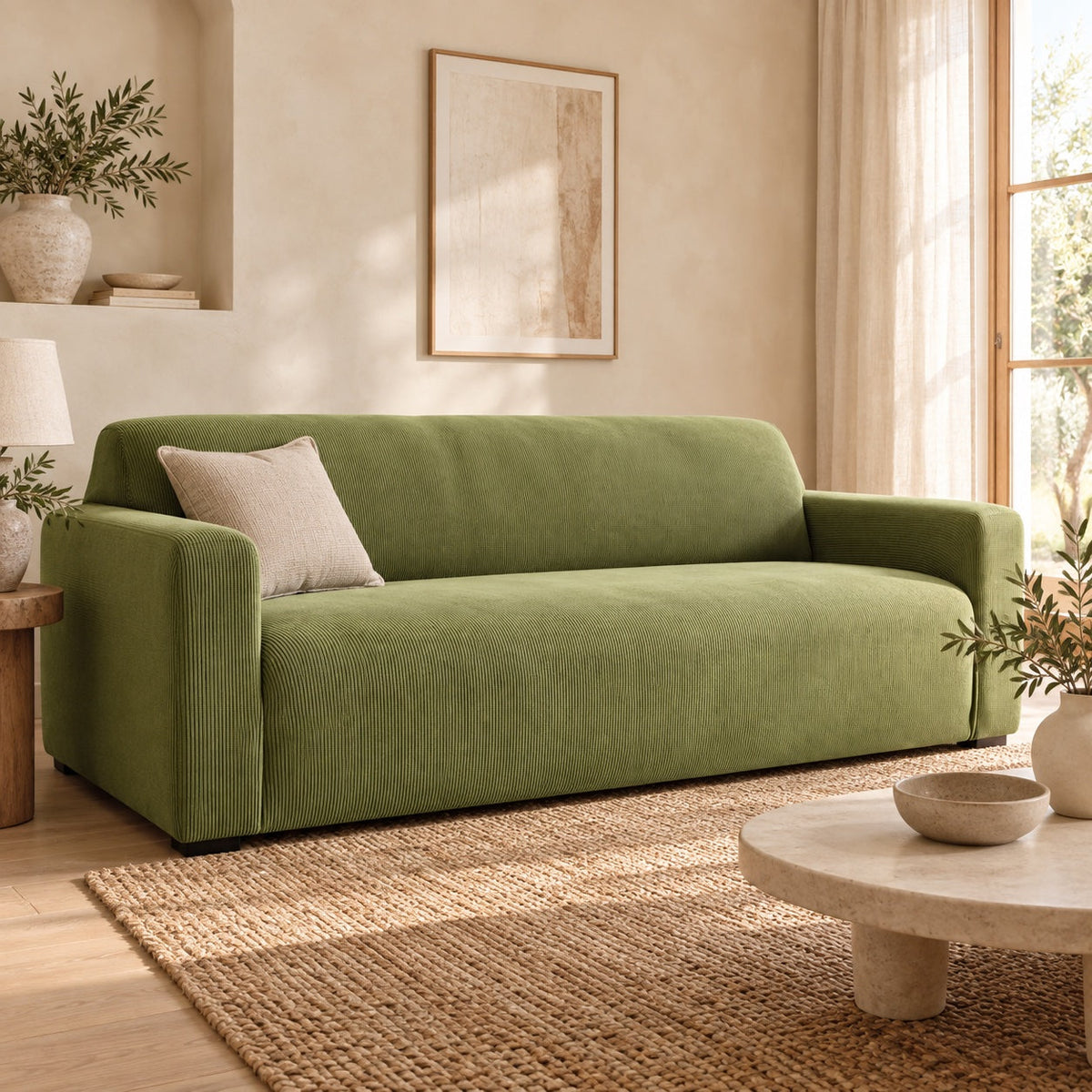
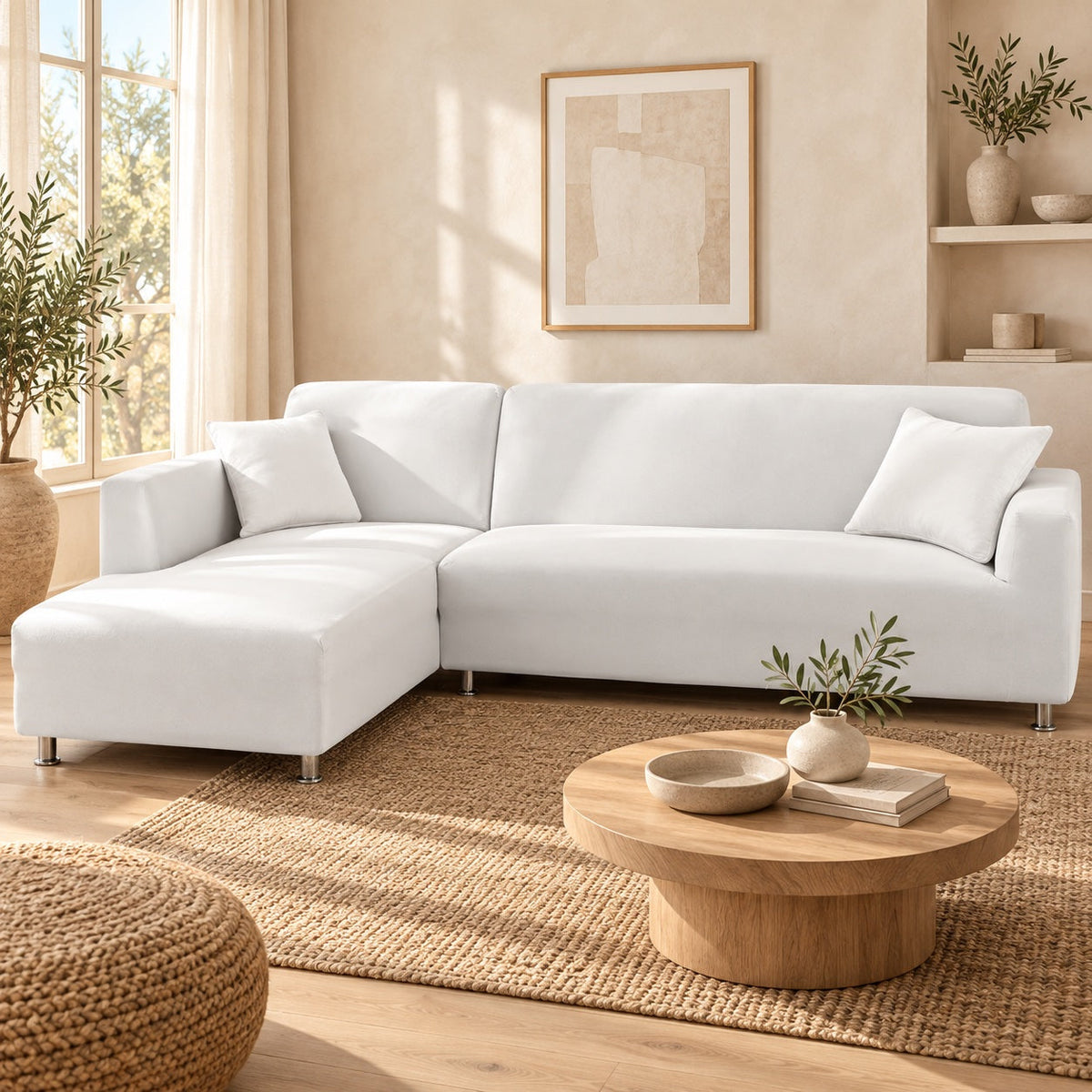
A good mid-century sofa tends to become the visual anchor of the room without trying too hard. It doesn’t need oversized arms, deep tufting, or ornate carving. The shape does the work. A slim frame, a low profile, and those recognisable legs give it presence without visual bulk. If your couch is looking tired, our fitted couch covers are a quick fix: easy to fit, machine-washable and available in sizes for every couch, corner included.
That’s why people keep coming back to the style. In a small flat, it looks light. In a family home, it adds structure. In a more eclectic space, it plays well with newer pieces instead of demanding a full period fit-out. It’s one of the few sofa styles that can sit next to contemporary lighting, older timber furniture, and a very modern rug without looking confused.
Still, there’s a gap between admiring the look and owning one happily.
Practical rule: buy the sofa for the frame and proportions first. Treat fabric, colour, and styling as the parts you can adapt later.
That rule matters because most owners aren’t living in pristine showrooms. They’re living in homes with pet hair, bright windows, housemates, kids, snacks, and budgets. A sofa needs to survive all of that while still looking intentional.
Three realities tend to shape the right decision:
- Your room size matters: Mid-century designs often suit tighter layouts better than chunkier lounge styles.
- Your tolerance for maintenance matters: Original upholstery can be beautiful, but it may need more care than many people expect.
- Your lifestyle matters more than design purity: If you’ve got pets, frequent guests, or you rent, flexibility often beats perfection.
The best mid century sofa couch isn’t always the rarest, the most expensive, or the most faithful reproduction. It’s the one that suits the room, the way you live, and the amount of upkeep you’ll do.
How We Evaluated Mid-Century Sofas for Real Homes
This guide considers mid-century sofas from a practical review perspective: how clearly their shape reflects the style, what buyers should check in the frame and upholstery, and whether the proportions and care needs make sense for everyday homes.
The main criteria are:
- Visual markers: Does it show the proportions — low back, tapered legs, clean arms — or is it a standard sofa with angled legs bolted on?
- Frame quality: Look for solid construction and tight joinery; check for movement at the arms or seat corners.
- Comfort: Consider whether the seat depth and cushion support suit how you plan to use the sofa.
- Room fit: Compare the width and depth with your living room, access route, and existing furniture.
- Maintenance burden: Think about the care the fabric, timber, and cushions will need in a working household.
- Australian-home fit: Account for strong sun, pet hair, children, and delivery and access considerations.
Photos can conceal bulky arms, a low or unusually deep seat, and details that affect day-to-day care. Check the dimensions and construction information, and, where possible, inspect the sofa in person before deciding.
The Enduring Allure of Mid-Century Design
A mid-century sofa is easier to define than most style labels suggest. It’s a low-seated couch with a horizontal profile, slim tapered legs that lift the frame off the floor, clean or slightly angled arms, exposed timber framing or a simple upholstered body, and restrained fabric without deep tufting, piping-heavy trim, or ornament. That combination — the proportions, not any single detail — is what makes a couch read as mid-century rather than merely modern.
It contrasts sharply with what else is on the market. A traditional rolled-arm sofa sits higher and rounder, with arms the same height as the back and upholstery wrapped in soft voluminous curves. An oversized contemporary sectional sprawls and centres comfort through sheer mass. A mid-century sofa deliberately trades bulk for line. It looks lighter because the visible legs and low back leave floor and wall visible around it.
The movement behind the look flourished between 1933 and 1965, and it was shaped by a democratic idea: well-designed furniture should be accessible to ordinary households, not only wealthy buyers, as outlined in this history of mid-century modern furniture. Art historian Cara Greenberg later coined the term “Mid-Century Modern” in her 1984 book, which fixed the style in the public imagination.

The style reflects a broader shift toward simpler forms and furniture suited to modern domestic life. The Eames Lounge Chair and Ottoman, introduced in 1956 and still in continuous production, is a notable example of the era’s design influence.
Those proportions are exactly why the style suits smaller rooms. A low back keeps sightlines open across a lounge, exposed legs let light travel under the frame, and a moderate depth can seat adults without the footprint of a deep sectional. In a compact apartment, the sofa can anchor the room while leaving its outline visible; see this guide to planning furniture in small spaces for related layout guidance.
Why this look still works
The best mid-century pieces never rely on fuss. They’re built around clean lines, useful forms, and materials that feel honest. You can see the structure. You can understand the shape. Nothing is there just for decoration.
That design language came from a period that valued functionality and affordability. Instead of making furniture that only looked formal, designers created pieces for everyday living. That’s part of why the style still feels current. Many still want a lounge room to feel calm, usable, and uncluttered.
A mid-century sofa also has range. It can lean warm and earthy with walnut, rust, olive, and cream. Or it can go sharper with black accents, pale timber, and sculptural lighting. The frame gives you the architecture. The rest is styling.
A lot of trends ask you to decorate around them. Mid-century seating tends to do the opposite. It gives the room structure, then lets you live in it.
How to recognise a mid-century sofa
If you’re trying to identify the style quickly, look for a handful of visual markers rather than one single feature.
| Feature | What it looks like | Why it matters |
|---|---|---|
| Low profile | Back sits lower than many traditional sofas | Keeps the room feeling open |
| Tapered legs | Timber legs that narrow toward the floor | Adds lift and visual lightness |
| Clean arms | Straight, slightly angled, or gently curved arms | Avoids bulky, overstuffed volume |
| Simple silhouette | Geometric shape with little ornament | Makes the piece versatile |
| Seat depth and firmness | A moderate depth with supportive cushions | Balances comfort and a neat outline |
| Material contrast | Timber frame with upholstered cushions, or textured fabric on a neat base | Gives warmth without heaviness |
The famous examples helped define the look globally. Designs by Charles and Ray Eames and George Nelson showed how furniture could feel modern without becoming cold. Earlier Eames work also explored moulded plywood, and a Herman Miller design history describes that work and the designers’ 1941 MoMA competition success. The enduring appeal of the sofa itself comes down to proportion and restraint.
If a sofa looks crisp, raised slightly, and intentionally unfussy, you’re probably in the right territory.
| Feature | What it looks like | Why it matters |
|---|---|---|
| Low profile | Back sits lower than many traditional sofas | Keeps the room feeling open |
| Tapered legs | Timber legs that narrow toward the floor | Adds lift and visual lightness |
| Clean arms | Straight, slightly angled, or gently curved arms | Avoids bulky, overstuffed volume |
| Simple silhouette | Geometric shape with little ornament | Makes the piece versatile |
| Material contrast | Timber frame with upholstered cushions, or textured fabric on a neat base | Gives warmth without heaviness |
Authentic Vintage vs Modern Reproduction
Balancing taste and reality is key. Many people love the idea of an original piece, but not everyone wants the maintenance, unpredictability, or hunting involved. A reproduction, on the other hand, can give you the look with fewer headaches, but quality varies widely.
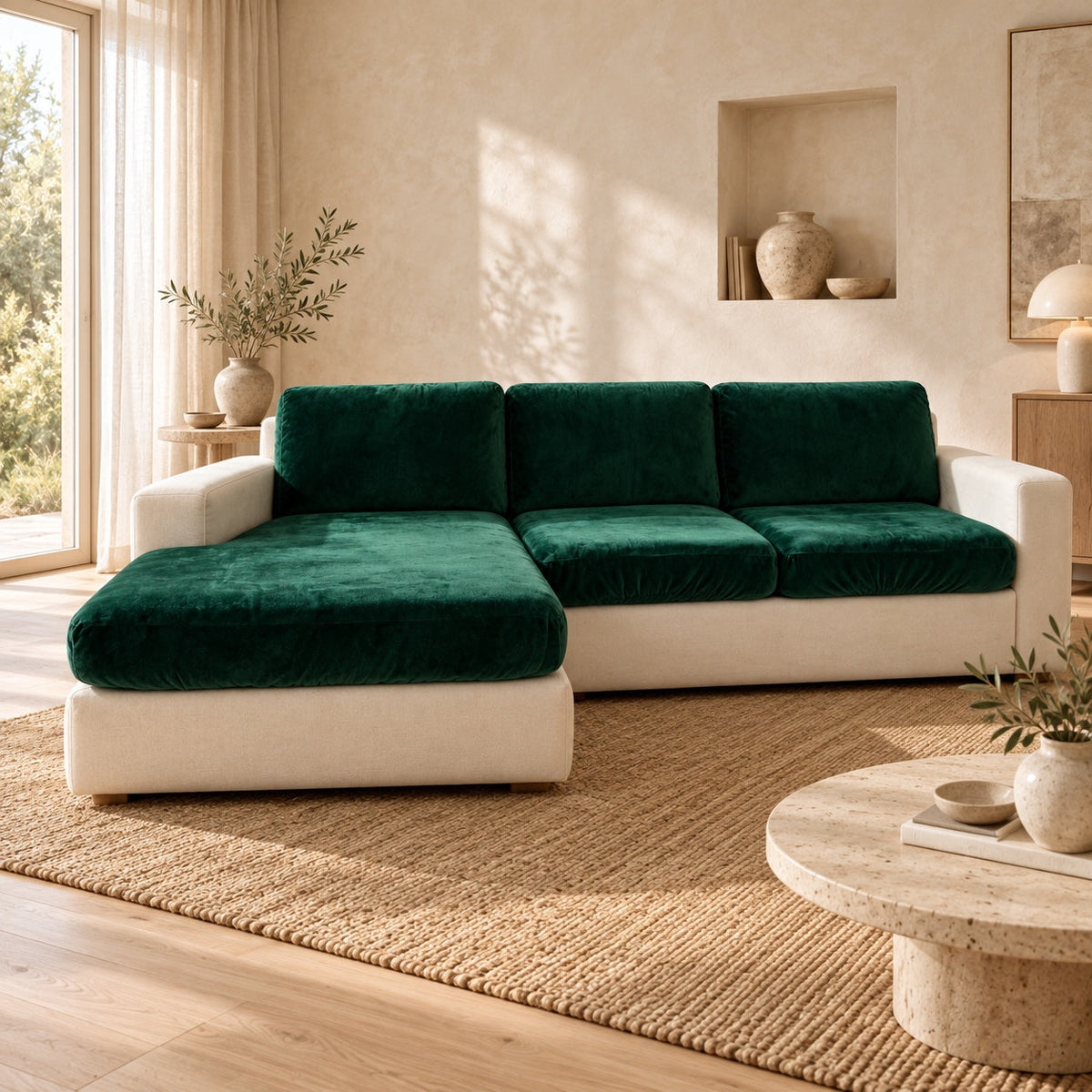
The strongest choice depends less on design ideology and more on how you live. Our couch covers come in stretch, velvet, cotton and water-repellent fabrics, so you can match the look to your room.

What vintage does best
Authentic pieces often carry details that are hard to fake convincingly. The frame proportions tend to be more elegant. Timber can have better grain and depth. You may also find construction methods that feel more solid and less mass-produced.
A genuine mid-century sofa may also be worth the extra effort if you care about character. Minor wear can add charm. Original shaping often feels more refined than newer versions that exaggerate the look.
That said, vintage has trade-offs:
- Condition can be uncertain: Springs, webbing, foam, and upholstery may all be tired even if the frame is beautiful.
- Restoration choices matter: Poor reupholstery can flatten the original character fast.
- Inspection is essential: A piece can look stylish online and feel disappointing in person.
Where reproductions make more sense
A good reproduction suits people who want reliability, straightforward delivery, and less compromise. If you’ve got children, pets, or a tighter schedule, that matters. You’re not paying for the privilege of repairing someone else’s neglected sofa.
Modern reproductions also let you choose comfort levels more easily. Some originals are firmer than current buyers expect. If your priority is everyday lounging rather than collecting, a newer build often makes more sense.
Here’s the simplest way to compare them.
| Consideration | Authentic vintage | Modern reproduction |
|---|---|---|
| Character | Distinctive, often one-off feel | Cleaner, more uniform |
| Condition | Variable | Usually consistent |
| Comfort | Depends on restoration and age | Easier to predict |
| Maintenance | Can be higher | Usually lower at the start |
| Availability | Requires patience | Easier to source |
| Lifestyle fit | Better for careful owners | Better for busy households |
If you need your sofa to survive pets, guests, and regular use without becoming a project, reproduction usually wins.
The smartest buyers don’t ask which option is more “authentic” in the abstract. They ask which one they’ll still be happy with after months of actual living.
How to Buy Your Perfect Mid-Century Couch
Shopping for a mid century sofa couch gets easier once you separate visual appeal from practical value. Plenty of pieces look right in photos. Far fewer feel solid, sit comfortably, and suit your home once they arrive. A midcentury modern couch or a modern mid century sofa should be assessed for fit and construction, not just its angled legs.
If you want a broad checklist before narrowing in on style, this Stahl furniture buying guide is useful for comparing comfort, materials, and buying considerations across sofa types.
A practical checklist for a real living room:
- Width: Around 70–76 inches suits many apartments and smaller households; compare the measurement with your wall and access route.
- Depth: Around 35–40 inches is a useful starting range for many buyers. As an editorial rule of thumb, a shallower seat may feel more upright, while a deeper one takes up more room; try the seat if you can.
- Frame: Look for solid, well-joined construction. Check the arms and seat corners for movement.
- Suspension: Check that the seat base feels even and supportive rather than sagging.
- Cushion fill: Ask what the cushions contain and how they are expected to hold their shape. Foam density can help with comparison, but comfort and support are best judged in person.
- Fabric: Ask about cleaning instructions, durability information, and whether the covers can be removed, especially if pets, children, or strong sun are factors.
Be cautious about visible frame wobble, missing dimensions, already-compressed foam, or fabric with no care guidance. Product photos can hide bulky arms and a sagging base; check side views and, when possible, sit on the sofa before buying.
If you’re buying vintage
Start with the frame. Hold the arm and gently test for wobble. Sit on both ends and the middle. Listen for obvious creaks and feel for uneven support. A beautiful silhouette doesn’t compensate for a tired structure.
Then inspect the upholstery. Fading, thinning fabric, musty smells, and old stains aren’t always deal-breakers, but they should affect your decision. In Australia, humidity can expose old storage issues quickly, so mouldy odours should make you pause.
Bring a simple checklist:
- Check the underside: Look for repairs, replacement supports, or rough patch jobs.
- Study the legs and joints: Mid-century shapes rely on neat lines, so crooked repairs stand out immediately.
- Ask about reupholstery: A well-done recover can be excellent. A rushed one often ruins proportions.
- Measure before you fall in love: A practical reference like these 3 seat sofa dimensions helps you compare room fit before buying.
If you’re buying new
Don’t assume every reproduction labelled “mid-century” has the right shape. Some are just generic sofas with angled legs. Focus on proportions first, then materials, then fabric.
Pay close attention to product photos showing the sofa from the side and back. That’s where bulkier reproductions usually reveal themselves. If the seat looks overstuffed or the arms feel clumsy, the piece may lose the crispness that makes the style work.
A few signs of a better buy:
-
Clear material details
Look for specific frame and fabric information, not vague marketing language. -
A return policy you can live with
Sofas are hard to judge from a screen. Flexible returns reduce the risk. -
Reviews that mention comfort after use
Early impressions are one thing. Ongoing comfort matters more. -
Fabric choices that match your lifestyle
If your lounge is sunny, delicate fabric may not be your friend. If pets share the sofa, texture and cleanability matter.
The best purchase usually comes from calm comparison, not urgency. Mid-century design rewards restraint, and so does buying it.
Buying in Australia: the local realities
A few considerations matter more here than in generic guides.
Apartment access. Measure your entry, hallway turns, and lift before ordering. Low-profile mid-century frames are usually easier to manoeuvre than deep sectionals, but solid timber pieces can be heavier than their slim silhouettes suggest. Flat-pack or two-piece designs may help with difficult access. Check stock status and ask the supplier about delivery arrangements, as lead times vary.
Strong light changes your colour decision. Australian sun is harsh and warm. Deep jewel tones may look different in a west-facing room, while oatmeal, camel, rust, olive, and smoke greys are options to consider. If your lounge gets direct sun, ask about fabric care and fading, or consider removable covers.
For a mid century sofa australia purchase, choose among these options according to budget, household wear, and maintenance tolerance:
- Vintage: Suits buyers with room in the budget and patience for inspection or restoration.
- Reproduction: A practical choice when predictable condition and comfort are priorities for a busy household.
- Cover an existing sofa: Makes sense when the frame is sound but the upholstery needs protection or a refresh.
Styling Your Sofa in Australian Interiors
A mid-century sofa often looks its best when the rest of the room doesn’t compete with it. The shape already gives you line, rhythm, and structure. The job of styling is to support that, not over-decorate it.

In Australian homes, that usually means responding to three things at once: stronger natural light, rooms that aren’t always huge, and a preference for spaces that feel relaxed rather than formal. A mid-century piece suits that mix well because it gives definition without feeling heavy.
Many mid-century sofas also fit smaller rooms better than oversized contemporary lounge suites. Typical dimensions of 70-76 inches wide with a 35.5-inch depth make the footprint practical for compact living areas, according to this mid-century sofa sizing reference.
Making it work in smaller rooms
In a compact lounge room, the clearest styling win is to let the sofa breathe. Don’t crowd it with bulky side tables or an oversized coffee table that cuts off movement. Mid-century pieces need negative space around the legs and frame to keep that floating effect.
A few reliable pairings work especially well:
- Teak or walnut frame with warm neutrals: Think oatmeal, clay, soft brown, and off-white.
- Lighter timber frame with muted greens or coastal blue-greys: Good in bright apartments where harsh sun can flatten stronger colours.
- Charcoal or olive upholstery with black accents: Works well if you want the room to feel sharper and more architectural.
For inspiration on balancing comfort with a polished look, this guide to selecting your next couch offers a helpful outside perspective on shape, room planning, and use.
A mid-century sofa rarely needs a matching room. It needs one or two supporting materials, one strong light source, and enough open space to show its outline.
The room feels better when contrast is controlled. If the sofa has exposed timber arms, pair it with a rug that softens the geometry. If the sofa is fully upholstered, bring in timber elsewhere through a coffee table, lamp base, or sideboard.
Colour and texture that suit Australian light
Natural light in Australia can be generous, but it’s not always gentle. Strong sun makes some colours sing and others look washed out. That’s why earthy tones, mineral greens, tobacco, camel, rust, cream, and softened blue often work well with this style.
Texture matters just as much as colour. A room with a mid-century frame can feel too lean if every surface is smooth. Add a wool-look rug, a woven shade, a ceramic lamp, or a heavier throw to stop it looking sparse.
If you want more visual ideas, this collection of cozy living room ideas is useful for layering softness into a cleaner-lined lounge.
This video gives a good sense of how the look comes together in a liveable room:
The trick isn’t to make the room look strictly period-correct. It’s to let the sofa carry the design language while the rest of the room feels current, easy, and lived in.
Protect and Refresh with Covers and Throws
This is the part most style guides ignore. They’ll happily tell you how to buy a beautiful sofa, then go quiet on what happens when people use it.
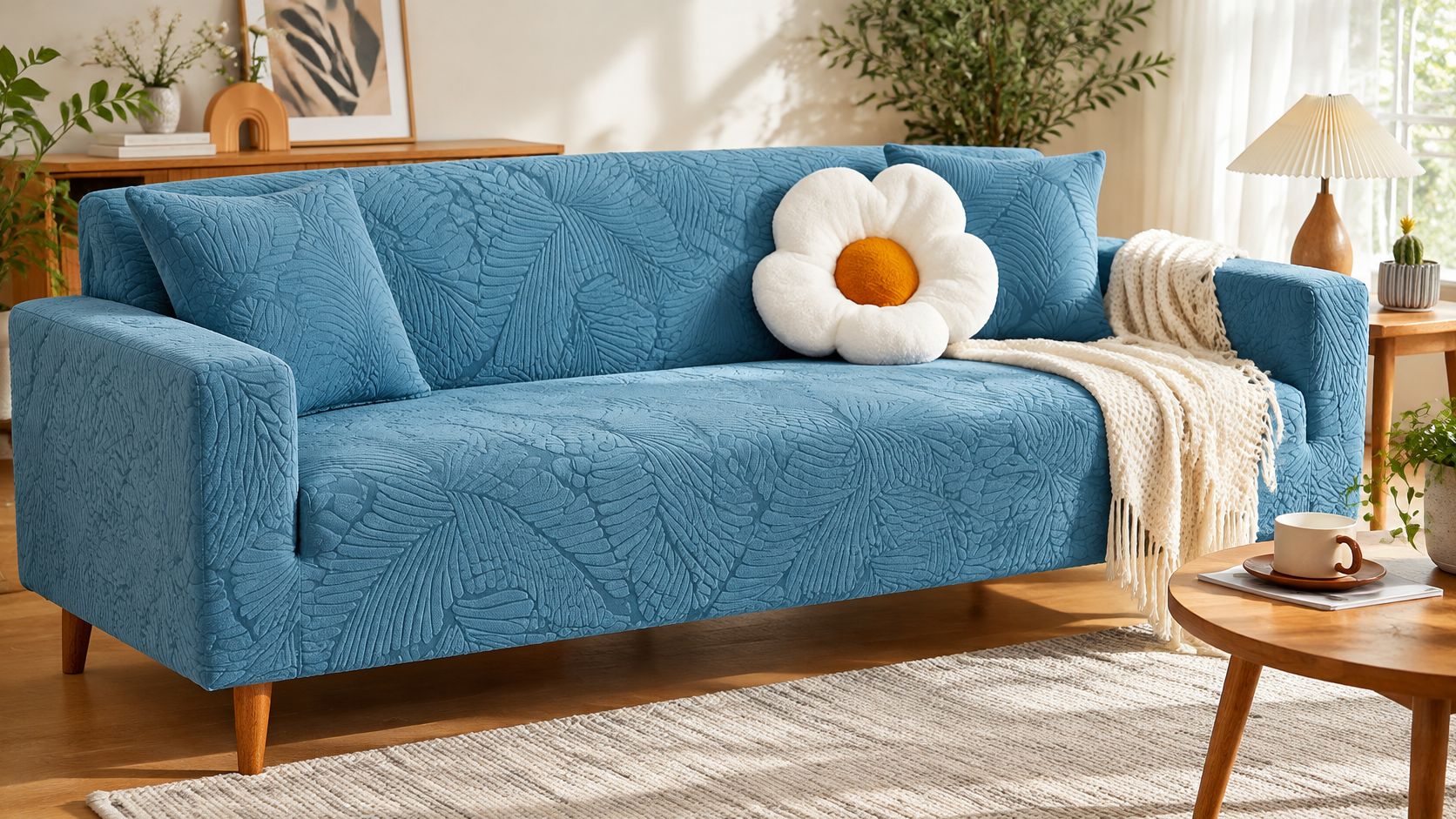
That’s a problem, because the average sofa lasts about eight years and sees roughly 1,261 meals eaten on it over that lifetime, according to these historical furniture facts. If you own a valuable or well-loved mid-century piece, protection isn’t fussy. It’s sensible.
For renters, families, pet owners, and Airbnb hosts, covers and throws are one of the smartest styling hacks available. They don’t just hide wear. They let you preserve the original sofa while changing the room affordably and without permanence.
Why covers work especially well on this shape
Mid-century sofas are unusually cover-friendly when the fit is right. The low profile, defined arms, and raised leg design make it easier to get a precise fit than on extensively rolled or heavily reclined sofas.
That matters because many people still picture loose, sagging slipcovers that bunch at the corners. A better fit changes the whole effect. On a structured mid-century frame, a stretch cover with proper anchoring can look deliberate rather than apologetic.
Covers are especially useful when:
- Original upholstery is still decent but vulnerable: You want to preserve it rather than strip and redo it.
- The sofa shape is great but the fabric feels dated: A cover gives you a cosmetic reset.
- You rent or move often: Non-permanent updates make more sense than expensive reupholstery.
- Pets use the sofa daily: It’s easier to wash a removable layer than fight embedded fur and marks on the base fabric.
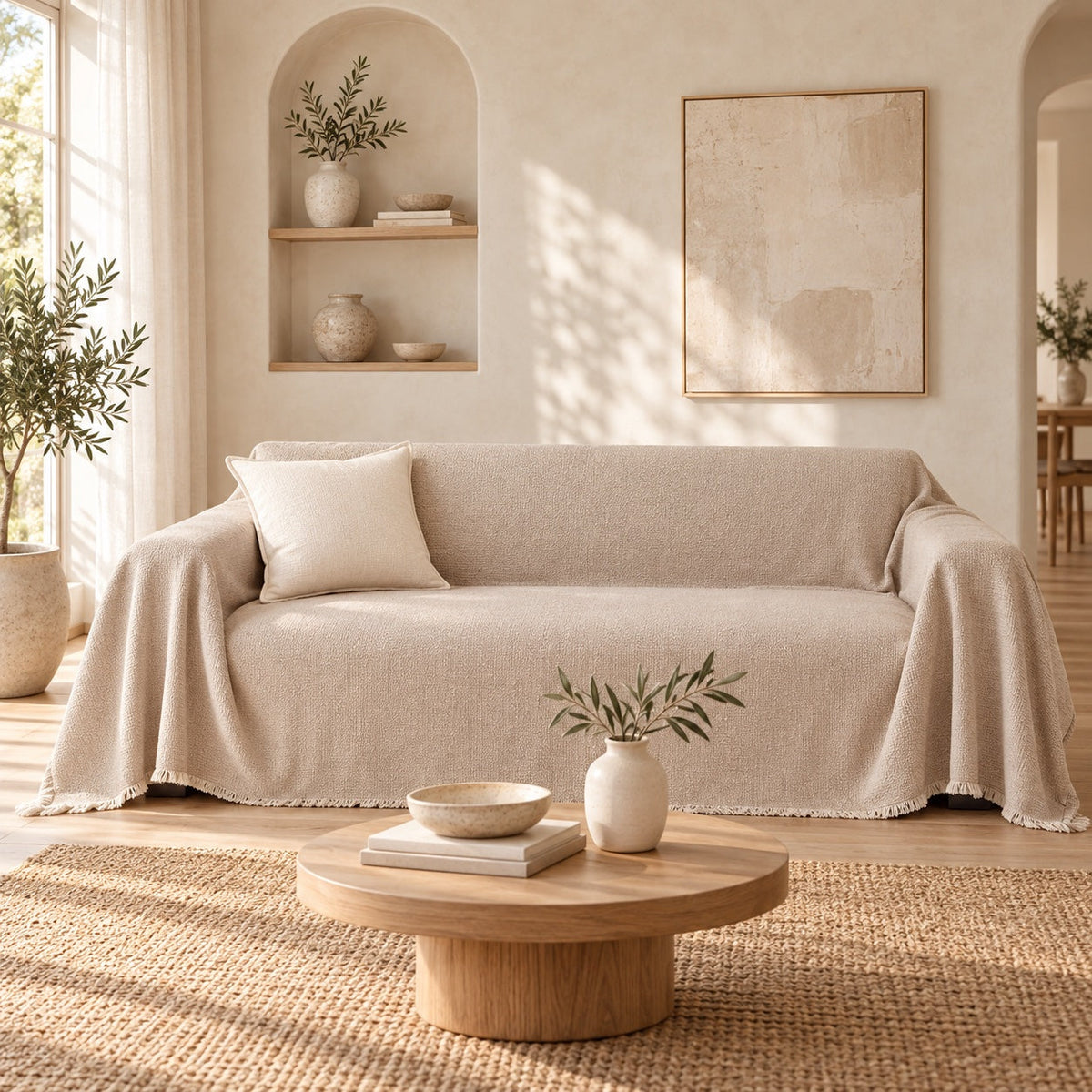
There’s also a styling advantage here. A throw blanket can soften the lines of a timber-framed sofa in winter, while a fitted cover can shift the room from dark and heavy to lighter and cleaner without replacing the furniture itself.
What works and what does not
Not every protective layer improves a mid century sofa couch. Some make it look worse, and quickly.
What usually works:
- Stretch-fit covers with shape recovery: These follow the frame instead of hanging off it.
- Secure under-seat or under-sofa anchoring: Essential if you don’t want constant readjusting.
- Textured fabrics: Jacquard and similar textures tend to look more intentional than flat, shiny fabric.
- Machine-washable options: If the cover can’t be cleaned easily, you’ll avoid using it properly.
- Throws used selectively: Draped over one seat, one arm, or the back rather than smothering the whole piece.
What usually doesn’t:
- Oversized loose covers: They kill the leg line and make the sofa look shapeless.
- Very slippery fabrics: These shift every time someone sits down.
- Plastic-looking waterproof finishes: Protection is important, but the sofa should still feel like furniture, not camping gear.
- Heavy tucking on exposed timber arms: It rarely looks neat and often slips out.
The best protective styling is the kind people notice as a room update first and a safeguard second.
If you’re comparing different fitted options, these sofa slip cover ideas for practical protection are a good starting point for thinking about fit, texture, and everyday use.
A cover is also one of the easiest ways to make a sofa feel seasonally current. In cooler months, richer texture and a heavier throw add warmth. In brighter seasons, a lighter cover can freshen a dark room without buying new furniture. Covers are a flexible layer: they protect a piece you like while giving you room to change the look.
Essential Maintenance and Upholstery Care
A mid-century sofa ages best when you stay consistent with small jobs. Neglect does more damage than occasional heavy use. You don’t need an elaborate routine, but you do need a sensible one.
Timber frame care
Exposed timber is one of the best features of this style, and one of the first things to show neglect. Dust settles along arms, rails, and leg joints, especially in dry rooms or homes near busy roads.
Use a soft cloth for regular dusting and keep moisture minimal. If you clean the surrounding floor with anything damp, don’t leave the legs wet. Sun is another issue. If one side of the sofa gets hammered by afternoon light, rotate cushions and rethink the room layout if you can.
A simple maintenance pattern works well:
- Dust the timber regularly: Fine dust dulls the finish over time.
- Keep it out of harsh direct sun where possible: Fading and drying are harder to reverse than everyday grime.
- Check joints now and then: Early wobble is easier to address than long-term strain.
Fabric and cushion care
Upholstery needs gentler treatment than it frequently receives. Vacuum with an upholstery attachment rather than a stiff floor head. Focus on seams, seat edges, and the gap where crumbs and grit collect.
If the sofa has loose cushions, rotate them so one spot doesn’t take all the wear. If you’ve got original upholstery, be cautious with spot cleaning. Aggressive rubbing can leave a larger visible patch than the original mark.
For deeper cleaning or delicate fabrics, professional help is often the safer route. If you’re weighing whether a sofa needs specialist treatment, these Extreme Carpet Cleaning LLC upholstery services show the kind of support worth looking for when regular maintenance isn’t enough.
Clean gently, rotate often, and treat stains early. Most upholstery problems become harder because people wait, scrub, or use the wrong product.
A well-kept sofa doesn’t need to look untouched. It just needs to look cared for. That’s the difference between patina and preventable damage.
Frequently Asked Questions
What is a mid-century sofa?
A mid-century sofa is a low-seated couch defined by a horizontal profile, slim tapered timber legs, clean or subtly angled arms, exposed wood or simple framing, and restrained upholstery with little ornament. The proportions — not any single detail — are what make a couch read as mid-century.
What is the most comfortable mid-century modern sofa?
There’s no single winner. Comfort depends on seat depth, cushion support, and how you plan to use the sofa. Vintage originals vary with their age and restoration, while reproductions may offer more choice in cushion feel. Try the seat if possible, and compare the construction and care information before buying.
What color couch for mid-century modern?
Earthy and warm neutrals are classic choices: oatmeal, camel, tobacco, rust, olive, and cream, often paired with a walnut or teak frame. Charcoal works if you want a sharper, more architectural look. In strong Australian light, consider how the fabric colour looks in your own room before choosing.
What is the 2/3 rule sofa?
The 2/3 rule says a sofa should be roughly two-thirds the length of the wall or rug it sits against, leaving visual breathing room on either side. It’s a quick sizing check before buying: measure the wall, then compare the sofa length with the available space.
Are mid-century sofas a good fit for Australian homes?
They can work well in Australian homes, particularly where a low profile and raised legs help keep the room feeling open. Check dimensions against your space and delivery access, and choose upholstery with local conditions in mind. Removable covers may be useful for households dealing with strong sun, pets, or everyday wear.
If you want a simple way to protect your sofa, update the room, and avoid the cost of replacing good furniture, have a look at Casamé Home. Their Australia-focused sofa covers and throws make it easier to keep a mid-century sofa looking polished in real homes with pets, kids, guests, and everyday mess.