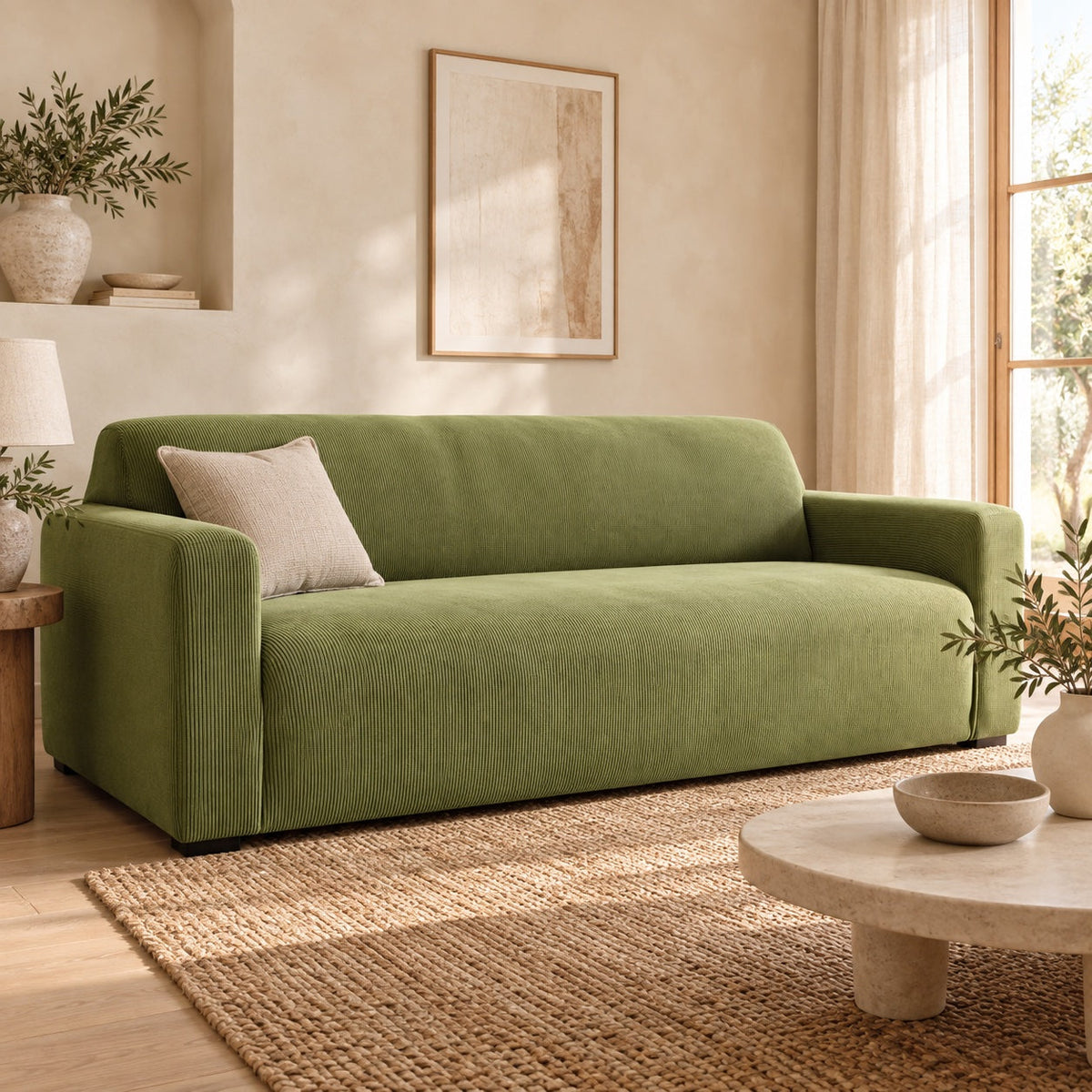
Blanket storage bags are your secret weapon for reclaiming space. They protect and compress those bulky blankets, doonas, and throws when you’re not using them, acting as a shield against dust, moisture, and pests to keep everything fresh for next season.
Key Takeaways Blanket Storage Bags
Match Bag to Blanket: Vacuum bags suit synthetics; natural fibres need breathable fabric bags.
Store Clean and Dry: Wash and fully dry blankets before packing them away.
Label and Use Hidden Spaces: Label bags and use under-bed or top-shelf space.
Table of Contents
- Why Blanket Storage Bags Are a Home Organisation Game-Changer
- Protecting Your Investment
- How I Evaluated Blanket Storage Bags
- The Space-Saving Magic of Vacuum Sealed Bags
- The Protective Skin of Breathable Fabric Bags
- The Mini-Wardrobe of Structured Storage Boxes
- Blanket Storage Bag Comparison
- How to Choose The Right Bag for Your Blanket
- Match the Bag to the Blanket Material
- Consider Your Climate and Storage Location
- Your Step-By-Step Guide to Packing Blankets Like a Pro
- Step 1: Start Fresh with a Thorough Clean
- Step 2: Master the Art of Folding
- Step 3: Pack and Protect
- How to Store Doonas, Quilts and Blankets
- Maximising Your Space with Smart Storage Strategies
- Unlocking Hidden Storage Hotspots
- The Small-Home Storage Playbook
- The Simple Habit of Smart Labelling
- Your Blanket Storage Questions Answered
- What Is the Best Bag for Storing Blankets?
- Are Vacuum Bags Safe for Doonas and Quilts?
- What Should I Use in a Humid Home?
- How Do I Stop My Blankets from Smelling Musty?
- How Often Should I Air Out My Stored Blankets?
Why Blanket Storage Bags Are a Home Organisation Game-Changer

The key choice is straightforward: use vacuum bags for bulky synthetic bedding when saving space matters, and breathable fabric bags for natural fibres such as wool, cotton and down. That distinction makes it easier to choose storage bags for blankets and doonas without treating every textile the same. A soft knitted throw adds warmth and colour in seconds; browse soft throw blankets in generous sizes.
Protecting Your Investment
A suitable bag helps limit exposure to household dust and handling while keeping seasonal bedding organised.
- Dust and allergens: A closed bag can help keep dust and pet dander off textiles between uses.
- Humid conditions: Damp storage can encourage musty odours and mould, so pack only completely dry items and choose a storage spot carefully.
- Pests: Wool and other natural fibres need protection from clothes moths; clean items before storing and keep them in a suitable closed or covered space.
The practical benefit is simple: a suitable storage system makes seasonal bedding easier to find and helps keep it ready for use.
This approach can work for other seasonal textiles, too. See this guide to storage bags for clothing.
How I Evaluated Blanket Storage Bags
When comparing blanket storage bags, I focus on five practical considerations: how much space a type can save, whether the material can breathe, its suitability for the storage location, how easily bedding can be accessed, and whether the bag size suits the item. These are selection criteria, not claims of product testing.
Published market estimates differ, so they are best treated as context rather than a measure of which bag is right for a household. One estimate puts the global blanket-storage-bag market at US$2.8 billion in 2025 and projects US$4.6 billion by 2034, with vacuum bags as the largest segment (Dataintelo market report). Another forecast estimates US$1.82 billion in 2025 and US$2.77 billion by 2030 (Research and Markets). The estimates differ; the comparisons below focus on practical suitability rather than market size.
Different bags suit different jobs. A bag that works for a bulky synthetic doona may be unsuitable for a delicate wool throw.
The Space-Saving Magic of Vacuum Sealed Bags
Best for: Many bulky synthetic items, such as polyester doonas and fleece or acrylic blankets, when storage space is limited. Compression can reduce their bulk, but follow the item’s care instructions. For an example, see our transparent vacuum storage bag.
Where they work well: Under-bed storage or a wardrobe area where compact packing is useful. I find the main convenience of a vacuum bag is how much easier it can be to fit bulky synthetic bedding into limited storage.
Use with care: Avoid vacuum compression for wool, cashmere, down and heirloom quilts, whose loft or shape may be affected. For bedding that needs frequent access, a bag that opens easily without needing to be vacuumed again is often the more convenient choice.
The Protective Skin of Breathable Fabric Bags
Best for: Wool, cotton, cashmere and down, where airflow is preferable to airtight compression. For natural fibres, my preference is a clean, dry textile in a breathable fabric bag rather than sealed plastic. The Canadian Conservation Institute’s guidance on caring for textiles discusses appropriate textile storage and care.
Where they work well: Wardrobe shelves and linen cupboards, where the bag can be kept clean and dry. Choose enough room for the folded item rather than forcing it into a tight fit.
Use with care: A breathable bag is not a solution for a damp storage area. Address humidity and the storage location before packing natural fibres.
The Mini-Wardrobe of Structured Storage Boxes
Best for: Guest bedding and frequently used throws. Fabric-covered boxes with rigid sides can stack on shelves; a clear window, if present, makes it easier to identify contents.
Where they work well: Linen closets, spare-room shelving and other dry indoor spaces.
Use with care: Boxes do not compress bedding, so they take up more space than vacuum bags. Check that the box and its contents are completely dry before closing it.
Blanket Storage Bag Comparison
Use this comparison to match a bag type to the blanket and storage spot.
| Bag Type | Best For | Pros | Cons |
|---|---|---|---|
| Vacuum Sealed Bags | Bulky synthetic doonas and fleece blankets. | Reduces bulk and encloses the contents. | Compression may harm natural fibres; less convenient for frequent access. |
| Breathable Fabric Bags | Wool, cotton, cashmere and down quilts. | Allows airflow and provides a cover for stored textiles. | Does not compress items; unsuitable for damp storage areas. |
| Structured Storage Boxes | Guest bedding and frequently used throws. | Stackable and easy to organise; some have a window for identification. | Bulky and offers no compression. |
The market for bags and storage products is broad, but a general bags-market report does not establish that a particular blanket-bag material is the preferred choice. For practical packing advice, see this guide to the best way to store blankets.
How to Choose The Right Bag for Your Blanket
Choosing a blanket storage bag is not a one-size-fits-all decision. Think about the blanket’s material, the local climate and where it will be stored. That is the useful starting point for choosing storage bags for doonas as well as lighter throws.
Getting the match right helps keep bedding organised and suitable for its next use. Our cosy throw blankets add a layer of warmth to a couch or armchair.
Match the Bag to the Blanket Material
The blanket’s fibre is an important guide to storage.
- Natural fibres (wool, cotton, down): Prefer breathable storage and avoid prolonged tight compression, especially for down and wool. A fabric bag is a practical choice for these items.
- Synthetic fibres (polyester, fleece, acrylic): These are often more suited to vacuum storage when space is limited, provided the care label allows compression.
My rule of thumb is to let the care label and the fibre guide the choice: I avoid vacuum compression for wool and down, and reserve it for suitable synthetic bedding. Read more about cotton blankets and throws.
Consider Your Climate and Storage Location
Climate affects how carefully you need to manage dampness. In humid conditions, moisture trapped in stored textiles can contribute to mould; the National Archives’ guidance on mould prevention explains the role of controlling moisture in preventing mould. Keep bedding clean and fully dry, and avoid putting it away in a damp area. In a drier home, a breathable bag may be suitable for natural fibres, provided the storage space is clean and dry.
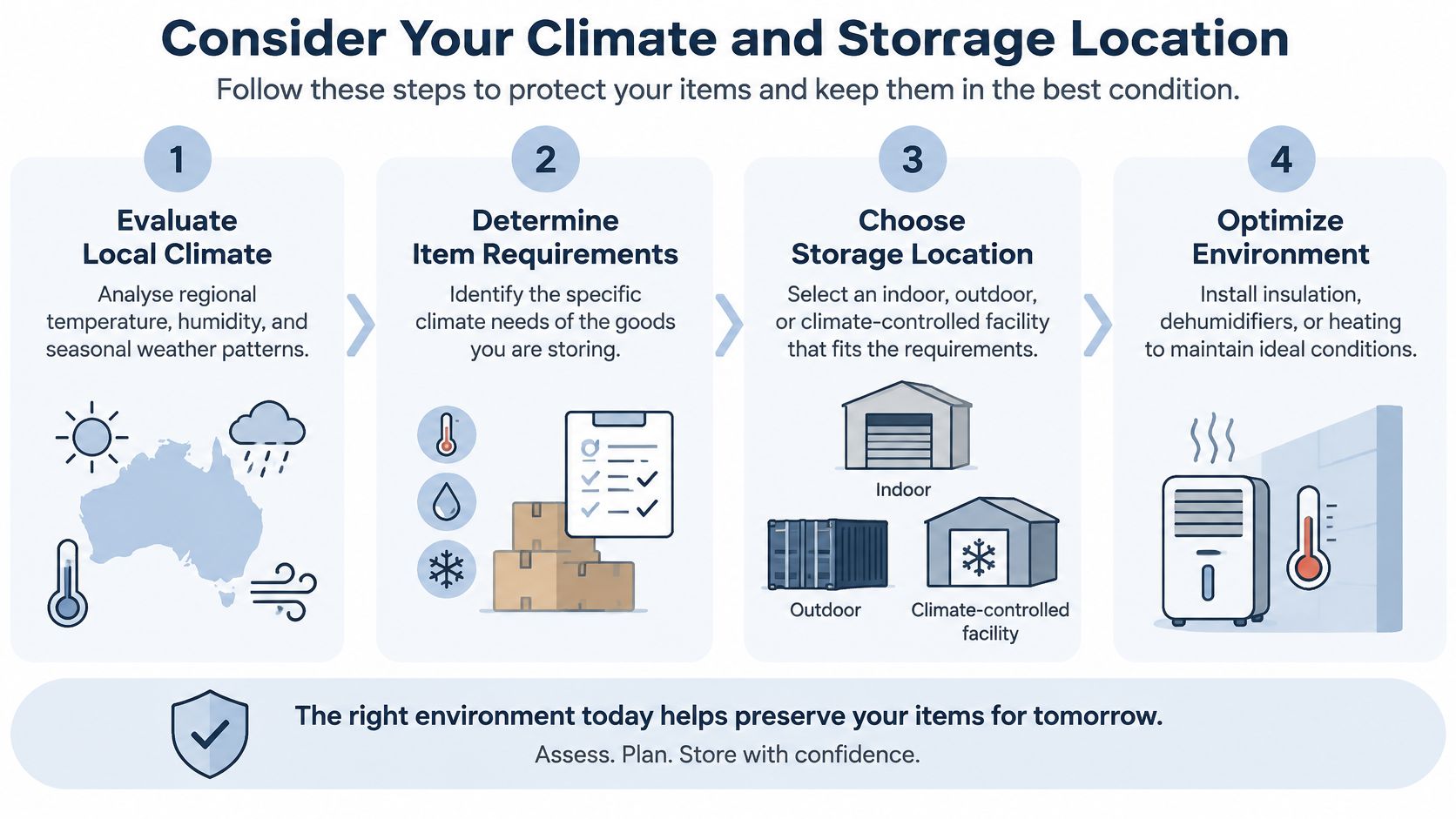
The storage spot matters as well. Enclosed bags can help keep stored items clean under a bed, while breathable fabric bags can suit dry wardrobe shelves. Garages and sheds may have temperature and humidity changes, so an indoor location is generally a more suitable choice for delicate textiles.
This decision guide can help you choose a practical option for bulky or delicate blankets.
As the flowchart shows, compression can suit bulky synthetic bedding, while wool and other natural fibres are better matched with breathable storage. The best choice also depends on the room where the bag will be kept.
Your Step-By-Step Guide to Packing Blankets Like a Pro

Good preparation matters as much as the bag. Clean, dry bedding is easier to store and more pleasant to unpack. For a house move as well as home storage, the same preparation is useful; see the furniture blankets moving and storage guide via Get n Go Removals Melbourne.
Step 1: Start Fresh with a Thorough Clean
Do not store a dirty blanket. Oils, skin cells and dirt can contribute to odours and attract pests. Wash each blanket according to its care-label instructions.
Make sure every item is completely dry before packing. I always treat thorough drying as the last essential check before storage; even a small amount of trapped dampness can cause problems over time.
Step 2: Master the Art of Folding
Folding neatly can make stored blankets easier to stack and retrieve.
- The roll method: Rolling thinner throws can reduce folding lines and make them easy to arrange.
- The KonMari fold: Fold a bulky item into a long rectangle, then into thirds to make a stable package that can be stacked or filed vertically where space allows.
For oversized blankets, see our guide to king size blanket dimensions.
Step 3: Pack and Protect
Place the clean, dry, folded blanket in its chosen blanket storage bag. If using a vacuum bag, follow its instructions and the blanket’s care label; do not compress delicate fibres to save space.
For wool, consider a suitable moth-protection approach and follow the product directions. Keep any scented or pest-control items from direct contact with the fabric, and do not pack anything damp.
How to Store Doonas, Quilts and Blankets
Different bedding materials call for different storage choices. Here is a practical material-by-item guide.
- Synthetic-fill doonas: Wash and dry fully, then use a vacuum bag if the care instructions allow. Leave the item time to regain its loft after unpacking.
- Down and feather quilts: Store loosely folded in a breathable cotton bag on a dry wardrobe shelf. Avoid compression that could affect the fill’s loft.
- Wool blankets: Fold carefully and store in a breathable bag in a dry indoor cupboard; avoid damp or variable storage conditions.
- Cotton quilts and throws: A fabric bag on a shelf or a clean, dry storage box can work. In humid areas, first ensure the storage space is dry and well managed.
- Synthetic fleece and acrylic: A vacuum bag, fabric bag or box may work; choose according to the care label and available space.
- Heirloom quilts: Wrap in acid-free tissue or a clean cotton sheet inside a fabric bag, and refold along different lines periodically so permanent creases never set.
Seasonal rotation can make cupboard space easier to manage: move the bedding you need now into accessible storage and put the rest away clean and dry.
Maximising Your Space with Smart Storage Strategies

Once blankets are clean, folded and packed, choose a location based on how often you will use them.
Unlocking Hidden Storage Hotspots
- Under the bed for off-season blankets: Long, flat bags can make use of space that might otherwise go unused. Choose a size that slides out easily.
- Top-shelf wardrobe for lighter-use quilts: Breathable fabric bags can sit above hanging clothes in a dry cupboard. Keep frequently used bedding within easy reach.
- Lidded boxes for overflow: Structured boxes can help organise spare-room storage. Use them in a dry indoor space and place them on stable shelving.
The Small-Home Storage Playbook
For apartments and homes with limited linen-cupboard space, a simple system helps explain how to store blankets in small homes:
- Compress suitable synthetics. Use vacuum bags for bedding whose care instructions allow compression, then place them in available under-bed or wardrobe space.
- Shelve natural fibres. Keep wool and down in breathable bags in a dry cupboard, grouped by season.
- Set aside occasional-use items. Put guest bedding and heirlooms in a clearly labelled, suitable storage spot rather than mixing them with everyday items.
Labelling bags by bed size and season makes it easier to rotate bedding without searching through every stored item.
The Simple Habit of Smart Labelling
A simple label makes it easier to find the blanket you need without opening several bags. Include useful details such as:
- Contents: “Queen wool blanket”
- Room: “Living room throw”
- Season: “Winter doona”
A clear label turns a collection of blanket bags into an organised system and reduces guesswork when the seasons change.
Your Blanket Storage Questions Answered
What Is the Best Bag for Storing Blankets?
It depends on the material and storage space. Choose a breathable fabric bag for wool, cotton and down; consider a vacuum bag for suitable synthetic bedding when saving space is the priority. Check the care label if you are unsure.
Are Vacuum Bags Safe for Doonas and Quilts?
They can suit some synthetic-fill doonas if the care instructions allow compression. For down or feather quilts, breathable storage is a better choice to preserve loft. Cotton quilts are best stored clean and dry without tight, prolonged compression.
What Should I Use in a Humid Home?
First make sure the blanket and storage area are fully dry. Use a suitable closed container or bag for protection from the surrounding environment, and consider a desiccant sachet according to its instructions. Keep stored bedding off damp floors and check the area periodically.
How Do I Stop My Blankets from Smelling Musty?
Wash and fully dry blankets before storing them, and avoid damp cupboards or containers. If a stored item develops a musty smell, take it out and check both the textile and storage area for dampness before packing it again.
How Often Should I Air Out My Stored Blankets?
Check stored bedding when you rotate it seasonally and air it out if it needs freshening. This is also a useful time to inspect the bag and storage location, particularly for natural fibres.
Ready to organise your living space? Explore the throws and home textiles from Casamé Home at Casamé Home.