There's something uniquely inviting about a fabric wall hanging. It's a simple, brilliant way to bring a hit of warmth, texture, and your own personality into a room. While traditional framed art has its place, textiles offer a completely different feel—they're softer, more dynamic, and can make a space feel lived-in and welcoming.
Key Takeaways Fabric Wall Hangings
Pick the Right Fibre: Cotton is an easy start; heavier wool gives texture and absorbs sound.
Hang by Weight: Damage-free hooks suit light pieces; heavy tapestries need a proper rod.
Avoid Direct Sun: Hang away from strong sunlight to stop colours fading.
How We Evaluated Decorative Wall Hangings Fabric for Australian Homes
Before recommending any fabric for wall art, I looked at it the same way most households live with it: not as a styling prop, but as something that has to hang well, cope with dust, suit the room, and still look good six months later. That meant judging each material against seven practical criteria: durability, weight, ease of hanging, cleaning needs, renter-friendliness, performance in strong Australian light or humidity, and whether it works better as statement art or as subtle texture.
That framework matters because the best fabric for a quiet bedroom is often the wrong one for a sunny family room or a humid coastal hallway. Cotton and canvas are usually easier to clean and rehang. Wool and felt absorb more sound and hide wear better. Linen gives a softer, relaxed drape, but it also creases more easily. Those trade-offs are more useful than trend talk when you're deciding what to buy.
I also weighed local context. Australian homes often deal with hard flooring, open-plan layouts, bright natural light, and in some regions, persistent humidity. Guidance from the National Archives of Australia on textile care and preventive advice from the Canadian Conservation Institute both reinforce the same basics: light, dust, moisture, and poor support shorten a textile's lifespan. In practice, that means a beautiful hanging fabric still needs the right room and mounting method.
If you just want the fast version, here is the decision aid I use:
- Choose cotton or canvas for easy-care family spaces and printed cloth wall hangings.
- Choose wool or felt when you want texture, acoustic softness, and better resilience.
- Choose linen for airy bedrooms, studies, and relaxed interiors.
- Choose jute or heavier blends for earthy texture on low-humidity walls.
- Frame or stretch lightweight or wrinkle-prone textiles if you want a cleaner finish.
That same lens carries through the rest of this guide, especially the fabric comparison below.
Textile Art is Making a Comeback in Aussie Homes
Textile wall hangings are not back because of a short-lived boho cycle. They fit the way many Australian homes are being styled now: warmer materials, less visual harshness, and rooms that need texture without major renovation. Retailers across Australia still position wall hangings as a core wall-décor category alongside framed art, with pieces made from fabric, jute, water hyacinth, and cotton cord in both small decorative formats and larger tapestry styles.
What keeps them relevant is function as much as style. Fabric softens rooms that can otherwise feel echoey or flat, especially where there are timber floors, plaster walls, glass, and minimal soft furnishing. The Woolmark Company notes wool's insulating and comfort benefits in interiors, and the Canadian Conservation Institute points out that textiles are sensitive to light, dust, and moisture—exactly the factors that shape where a hanging will perform well in real homes. In dry rooms such as living areas and bedrooms, heavier textile pieces tend to be low-fuss and stable. In humid rooms, natural fibres can still work, but only if ventilation is good and the piece is kept away from persistent condensation.
Renter-friendliness is another reason these pieces hold up. A textile can change the mood of a room without paint, drilling into multiple studs, or committing to a framed piece that feels too formal. In my experience, that matters most in apartments and townhouses where you want a visible change from one item, not a full decorating project.
The local market also looks more established than trendy. One Australian retailer lists decorative wall hangings from about A$89 to A$715, which is a useful reminder that this category spans simple accent pieces through to investment-level statement art; the current pricing spread is visible in these Australian wall hanging listings. Broader home-decor tracking also points in the same direction, with IMARC Group's research offering useful context on market growth around the wider category these products sit within. That kind of format and price range usually signals an ongoing décor category, not a passing novelty.
So yes, woven and fabric-based wall art still feels current—but only when the material suits the room. That is why fabric choice matters more than the trend label.
Getting the Fabric Right for Your Space
Picking the perfect decorative wall hangings fabric goes way beyond just falling for a beautiful pattern. What matters more is how the material behaves once it is hanging on the wall: whether it drapes cleanly, traps dust, fades quickly, muffles sound, or fights you every time you try to level it.
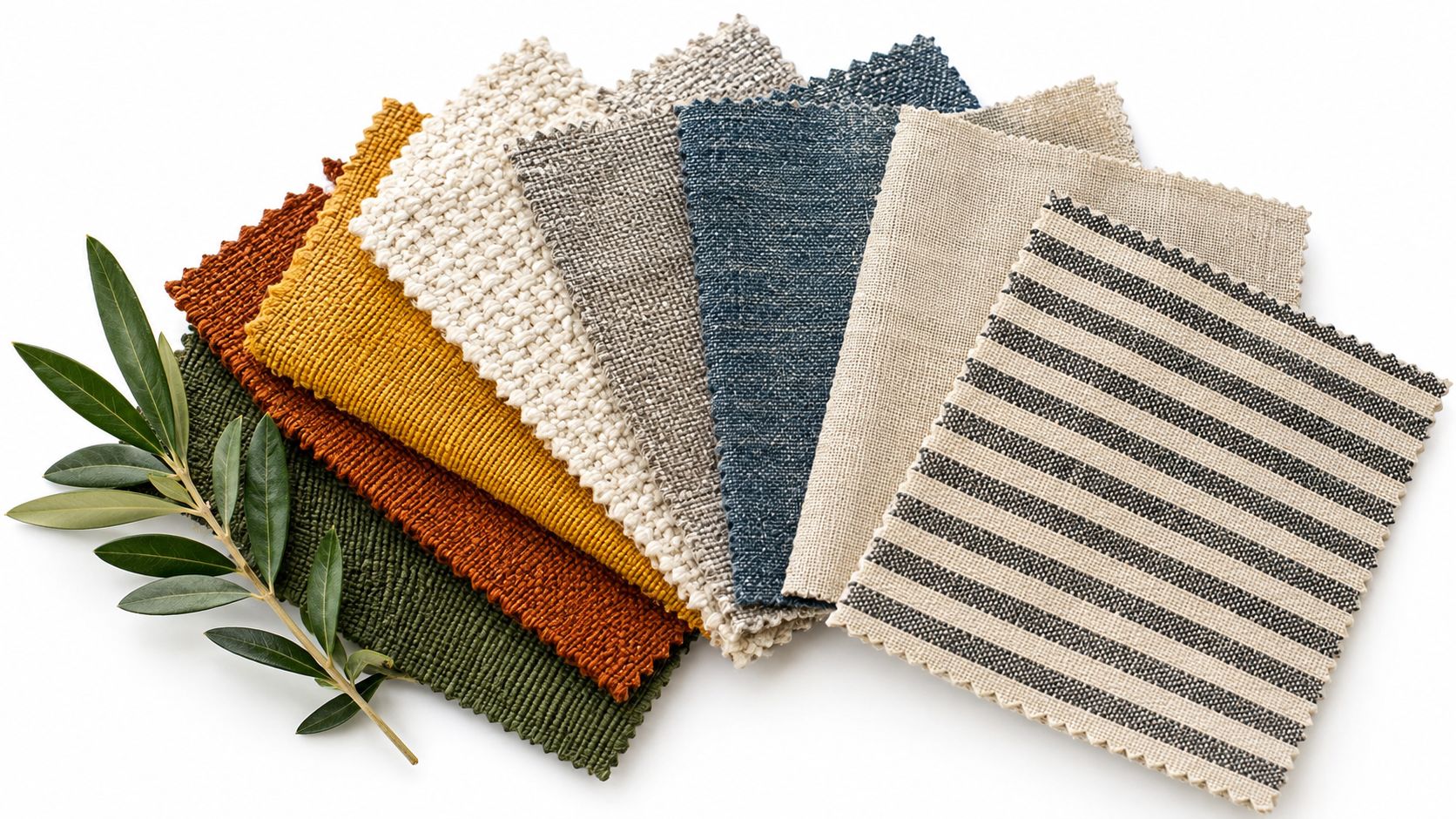
Before you even think about colour, think about the room itself. A busy hallway, kids' play space, or main living room benefits from material that can handle bumps, dust, and stronger light. A bedroom or study gives you more freedom to choose softer or more delicate textile wall hangings that are there mainly for atmosphere.
Match the Material to the Room
Different fibres solve different problems, so it helps to think in use cases rather than aesthetics alone.
Cotton is usually the easiest starting point. It is light to medium in weight, drapes well, takes print beautifully, and is generally simpler to spot-clean than animal fibres. Cotton works especially well for framed fabric panels, printed banners, and casual cloth wall hangings in bedrooms, studies, and family rooms. Its weakness is fading and visible creasing if it sits in strong sun or arrives folded for too long. The National Archives of Australia textile care guidance specifically warns that light exposure damages textile colour over time, which is one reason I avoid placing printed cotton on a west-facing wall.
Wool is tougher, denser, and more forgiving in active spaces. It has a richer surface texture, better natural resilience, and better acoustic contribution than most lightweight fabrics. The Woolmark Company highlights wool's thermal and comfort performance in interiors, and in practice it also tends to disguise minor wear better than flat cotton. I like wool in living rooms, media rooms, and hallways where a wall hanging needs a bit of substance. The trade-offs are price, potential moth risk, and the need to be careful in damp rooms.
Linen sits in the middle. It has a relaxed drape, visible slub texture, and an understated look that suits coastal, minimalist, and organic interiors. Linen can look beautiful in a bedroom or reading nook, but it creases more readily than canvas and may need framing or a dowel sleeve to stop it looking floppy. For softer, subtle texture, it is one of the most versatile options.
Felt works well when you want shape, softness, and better sound absorption. It does not flow like a banner fabric, so it suits cut shapes, layered panels, and more graphic material wall hangings rather than loose draped pieces. In a home office or TV room, felt can look cleaner than a highly fringed piece and often feels easier to live with.
Canvas is one of the safest options for larger hanging fabric pieces. It is heavier, less prone to wrinkling, and ideal for prints or painted textiles because it holds tension well. In my experience, canvas is also one of the easiest materials to hang straight on the first try, especially when mounted on a stretcher or used with a rod pocket.
Jute gives strong texture and an earthy, handmade feel, but it is not the best all-rounder. It can shed, feel coarse, and hold dust more readily than smoother fibres. I would use it in a dry, lower-traffic room where the goal is texture rather than softness, not in a humid bathroom or a narrow hallway where it will get brushed past often.
Blended textiles can solve practical problems. Cotton-linen blends often crease less than pure linen. Wool blends can lower cost while keeping some warmth and texture. Polyester blends can improve dimensional stability and wrinkle resistance, though they usually feel less natural up close. For decorative pieces that need to hold shape without full framing, blends are often the quiet achiever.
Cotton vs Wool for Wall Hangings
This is the comparison readers usually need most, because both materials are strong candidates for decorative wall art and they behave very differently.
Cotton is usually lighter, easier to hang with renter-friendly methods, and simpler to clean when you need basic spot treatment. It is a smart pick for printed fabric wall hangings, children's rooms, and spaces where you may want to rotate décor. The downside is that cotton can fade faster in direct light and show creases or edge wear more clearly over time. The Canadian Conservation Institute and the National Archives of Australia both emphasise light and environmental exposure as key risks for textile longevity.
Wool is usually more resilient, more insulating, and better at disguising everyday wear. It also contributes more visual depth and often helps soften room acoustics better than lightweight cotton. That makes it especially good for living rooms and larger statement tapestries. Its drawbacks are cost, greater sensitivity to moths if stored poorly, and the need to avoid prolonged moisture exposure. For a family room that gets daily use, I would usually choose wool over cotton if the budget allows; for a rental bedroom or a lighter seasonal piece, cotton is often the more practical answer.
Consider Texture, Weight, and Scale
The physical presence of the fabric matters as much as its colour or pattern. A chunky weave creates a stronger shadow line and feels grounded. A smoother weave looks cleaner and more contemporary. Weight also determines whether the piece can hang from clips, needs a dowel pocket, or really ought to be stretched or framed.
Here’s the quick checklist I use:
- Large wall, big visual gap: choose canvas, wool, or a heavier blend that can carry scale without looking flimsy.
- Small wall or narrow hallway: choose a lighter linen, cotton, or slim woven piece with vertical emphasis.
- High-traffic family space: avoid overly delicate fringes and choose materials that hide dust and wear better.
- Humid room: use caution with thick natural fibres unless airflow is consistently good.
Comparing Fabrics for Your Wall Hanging
To help you decide, here’s a more practical comparison of common fabrics.
| Fabric Type | Drape & Texture | Durability | Fading / Dust Risk | Acoustic Benefit | Ideal Hanging Method | Family-Space Friendly? | Cleaning Ease | Best Rooms |
|---|---|---|---|---|---|---|---|---|
| Wool | Dense, textured, structured | High | Moderate fading risk; tends to hide dust and wear well | High | Rod pocket or dowel with brackets | Yes | Medium | Living rooms, hallways, media rooms |
| Cotton | Soft drape, versatile surface | Medium to High | Higher light-fade risk; moderate dust retention | Medium | Clips, rod pocket, or framing | Yes | Easy to Medium | Bedrooms, living rooms, kids' rooms |
| Cotton Canvas | Firm, structured, less wrinkling | High | Good shape retention; moderate dust retention | Medium | Stretcher/frame or dowel | Yes | Easy | Family rooms, studies, large feature walls |
| Linen | Relaxed, airy, visible natural slub | Medium | Can crease; moderate fading risk | Medium | Rod pocket or frame mounting | Sometimes | Medium | Bedrooms, studies, calm living spaces |
| Felt | Soft, matte, less fluid drape | High | Holds dust more than smooth weaves | High | Flat mount or dowel support | Yes | Medium | Home offices, TV rooms, playrooms |
| Jute | Coarse, earthy, highly textural | Medium | Higher dust retention; not ideal in humidity | Medium | Strong dowel or fixed mount | Sometimes | Low to Medium | Dry living spaces, entry areas |
| Blended Textiles | Varies; often more stable than pure fibres | Medium to High | Usually improved wrinkle resistance | Medium | Depends on weight; clips to frame mounts | Yes | Medium | Most rooms, especially mixed-use spaces |
Ultimately, the best fabric is one that fits both your home's daily life and the feeling you want to create.
| Fabric Type | Best For (Aesthetic) | Durability | Maintenance Level |
|---|---|---|---|
| Wool | Cosy, rustic, natural, sound-dampening | High | Low to Medium |
| Cotton Canvas | Versatile, casual, modern, great for prints | High | Low |
| Linen | Relaxed, earthy, minimalist, airy | Medium | Medium |
| Silk / Velvet | Luxurious, opulent, sophisticated, rich texture | Low | High |
| Macramé / Woven | Bohemian, textural, artisanal, organic | Medium | Low |
Harmonise with Colour and Pattern
Okay, now for the fun part: colour and pattern. You need to decide how your decorative wall hangings fabric will play with your existing decor. You can aim for a cohesive, harmonious look or create an intentional, eye-catching contrast.
For a cohesive feel, pull colours directly from your sofa, rugs, or cushions. If your living room is full of neutral tones, a hanging with subtle earthy shades can tie everything together beautifully. For more tips on blending patterns, our guide on choosing floral quilt covers has some great ideas that apply here, too.
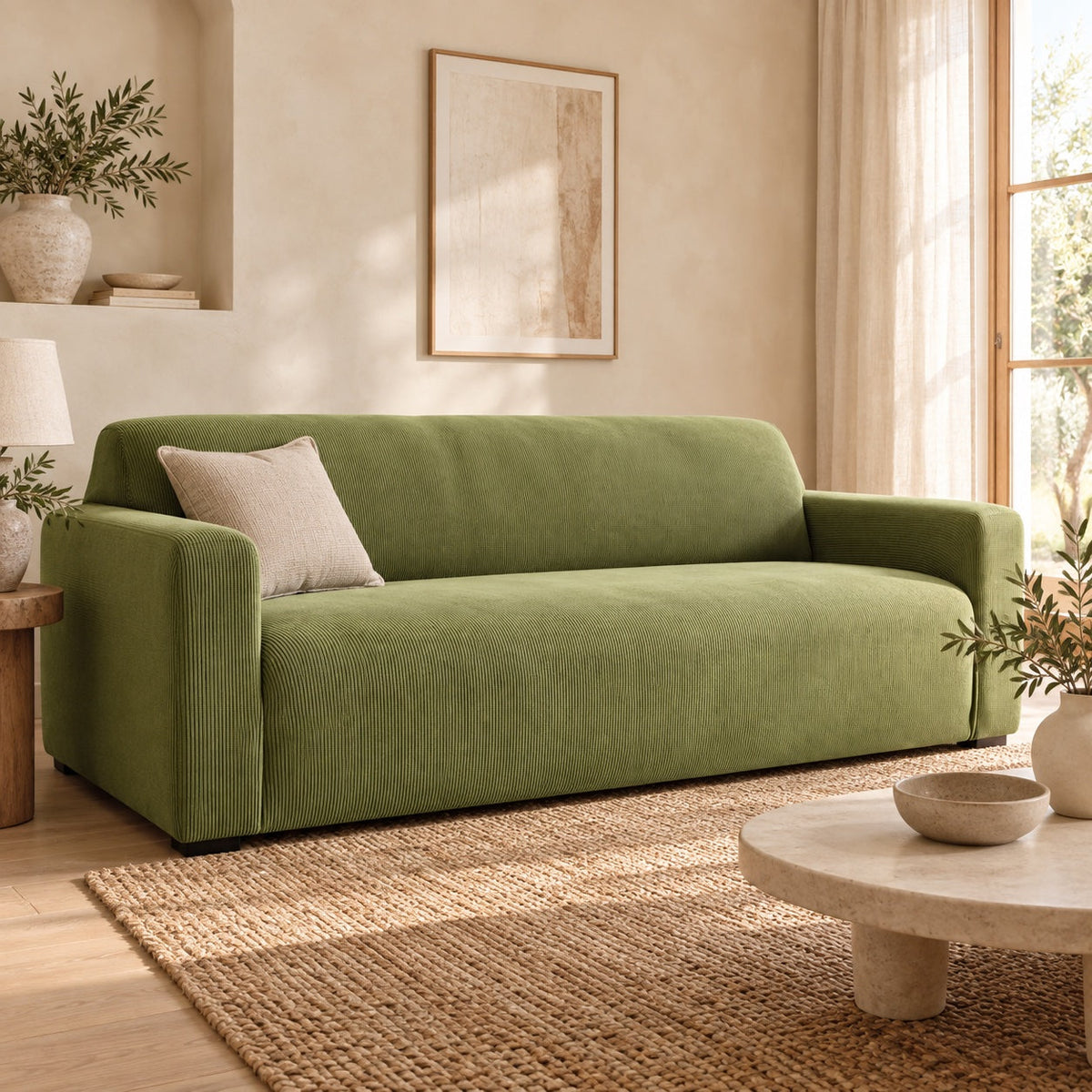
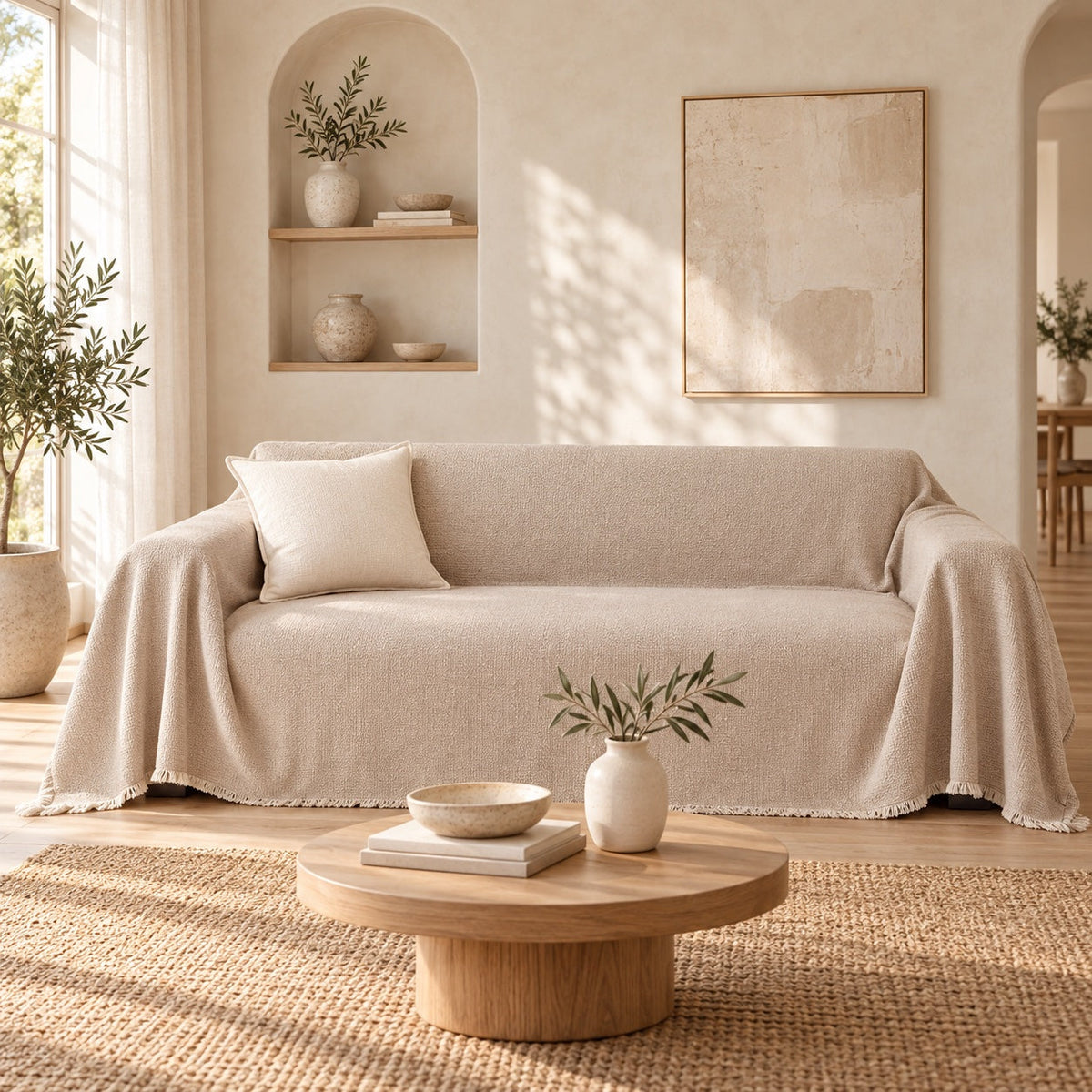
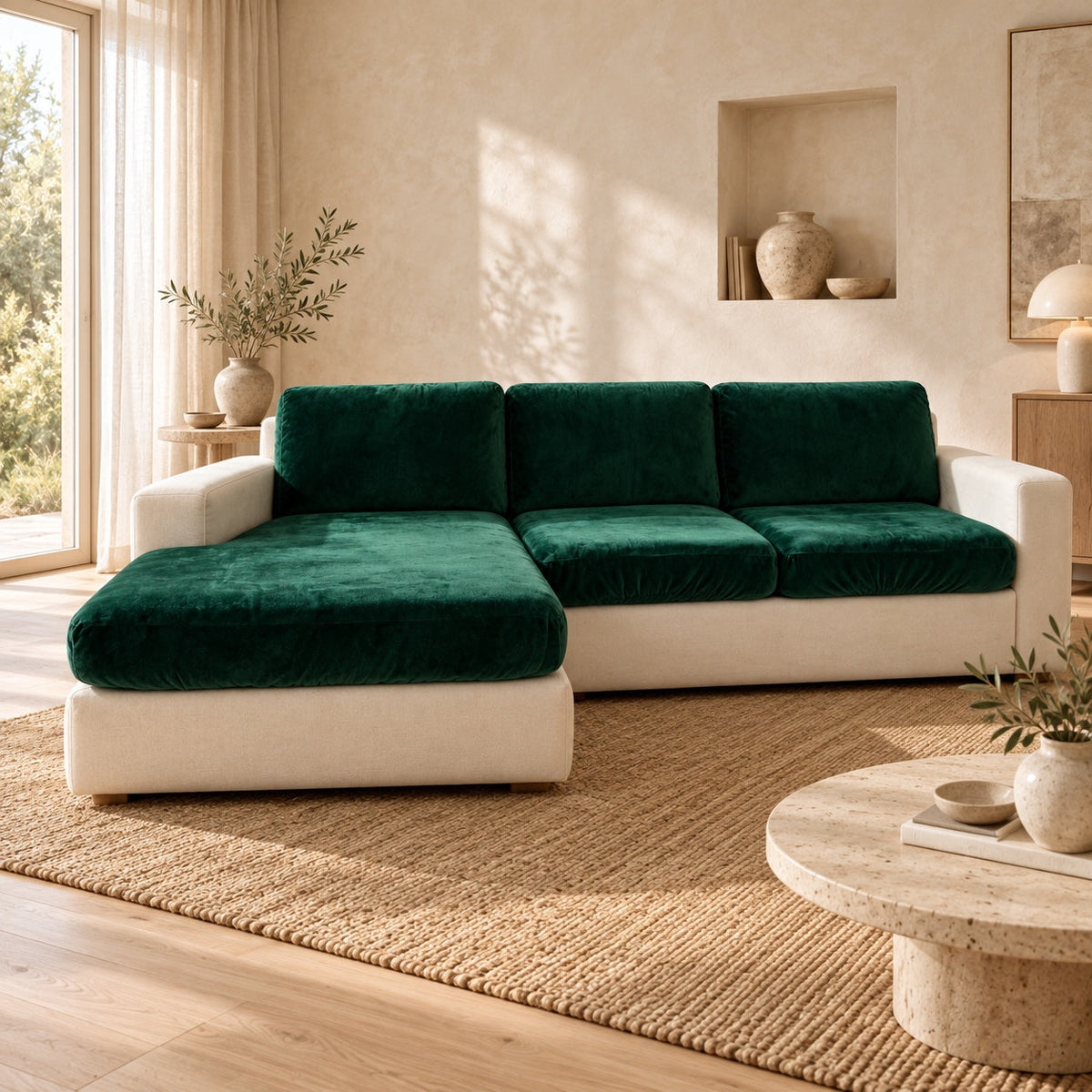
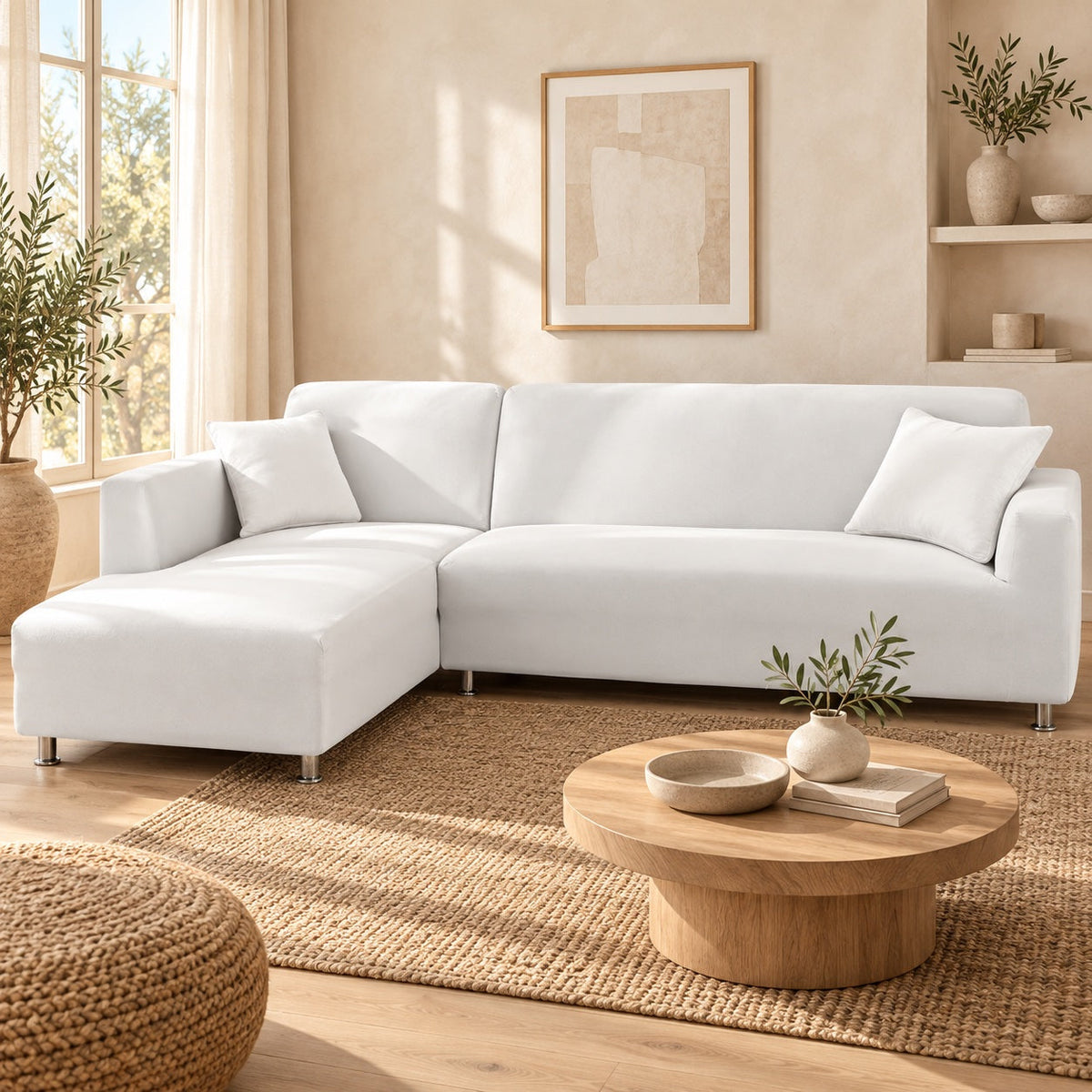
If your couch is looking tired, our fitted couch covers are a quick fix: easy to fit, machine-washable and available in sizes for every couch, corner included.
The other option is to use your fabric art to inject a bold pop of colour into a monochrome room. A vibrant, patterned hanging can easily become the primary piece of art, bringing a burst of energy and personality to an otherwise quiet space.
Where to Find Fabric Wall Hangings in Australia
If you are buying in Australia, the smartest approach is not starting with store names. Start with filters. Most readers compare the same six things when choosing between options: material, dimensions, whether the piece is handmade or mass-produced, whether hanging hardware is included, how shipping and returns work within Australia, and whether the piece can be installed in a rental without wall damage.
Local homewares stores are useful when you want to see scale and texture in person. Artisan marketplaces and textile artists are better if you care about handmade construction, fibre content, or one-off woven work. Vintage sellers can be excellent for older tapestries, quilts, and embroidered textile wall hangings, but they usually require closer checking for sun fade, odour, repairs, or weak seams. Online retailers often offer the widest spread in size and style, which is also where current Australian pricing shows how broad this category has become, from entry-level decorative pieces to premium statement hangings.
When comparing listings, check these details before you buy:
-
Fibre content: cotton, wool, linen, jute, felt, or synthetic blend all perform differently.
-
Actual dimensions: many pieces look oversized in styled photos but are smaller in reality.
-
Included hardware: dowel, rod sleeve, clips, brackets, or nothing at all.
-
Construction: handmade woven, printed textile, tufted, quilted, macramé, or framed fabric panel.
-
Returns and shipping: especially important for larger pieces or anything folded tightly for postage.
-
Rental suitability: lightweight cotton and linen are easier to install with removable systems.
I also look for close-up product photos. They tell you more than the headline description does. A piece described as "woven" may be a printed fabric panel with added fringe, which is fine if you like the look, but not if you expect the texture of true textile art.
Styling Fabric Wall Art Like an Interior Designer
So, you've found the perfect piece of fabric art. The colours are just right, the texture feels amazing, and you're excited to get it on the wall. But there's a fine line between a deliberate, stylish choice and something that looks like you've just pinned a random piece of cloth to the wall. The secret is all about intentional placement and understanding how your new piece can solve common design challenges.
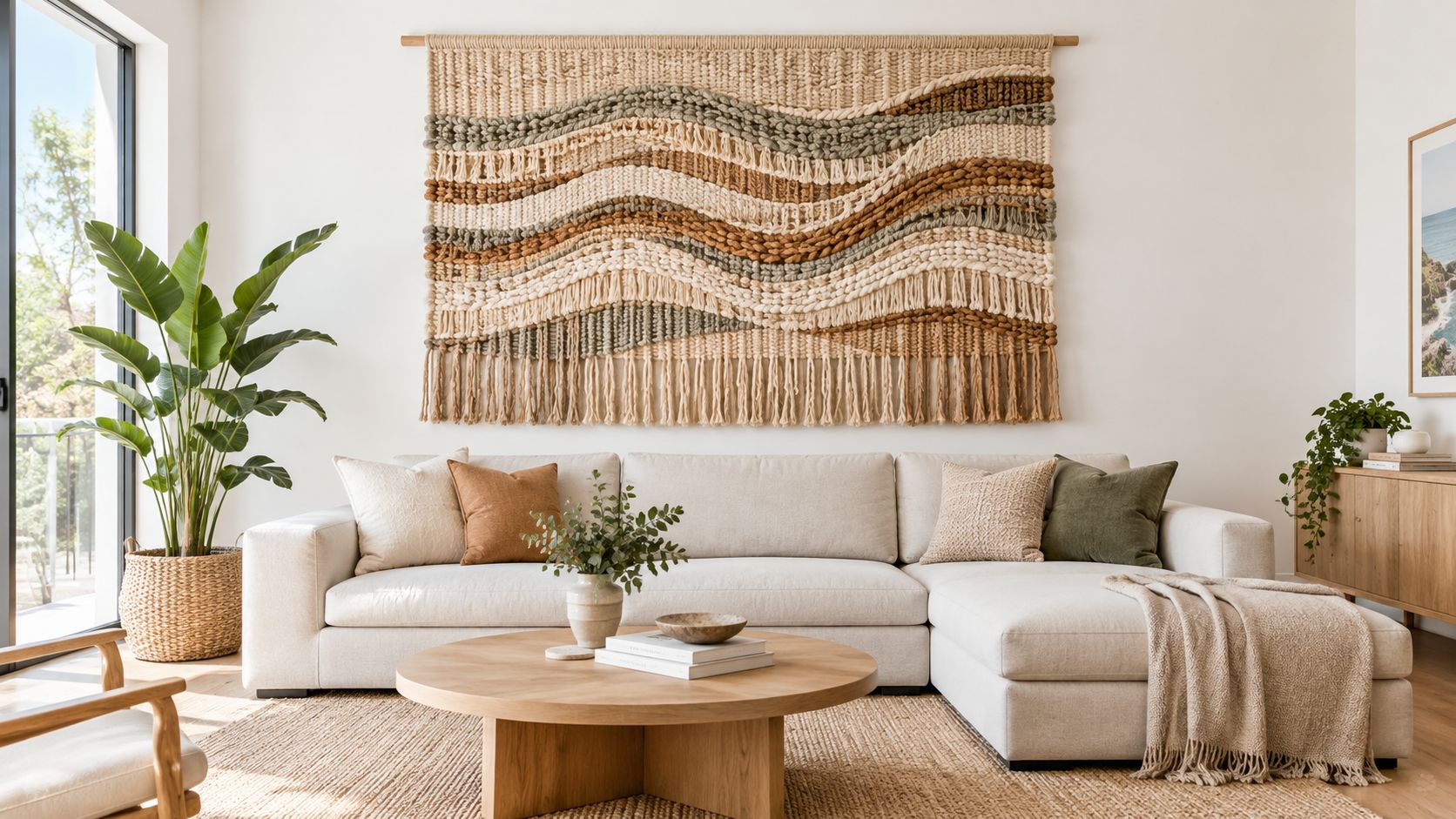
The goal is to make the textile feel like it belongs, like it’s a core part of the room’s story, not just an afterthought to fill a blank space.
Create a Powerful Focal Point
One of the best ways to use a fabric hanging, especially a large one, is to make it the star of the show. Turn that big, blank wall into the hero of the room by using your textile as a major focal point. The space above a sofa or behind a bedhead is prime real estate for this.
Imagine a living room with a simple, neutral-coloured sofa. By hanging a large, beautifully patterned tapestry above it, you immediately draw the eye and anchor the whole seating area. It gives you the same visual weight as a big painting but with an added layer of softness and texture that a canvas just can't replicate. It’s a move that doesn’t just decorate the wall; it defines that entire zone of the room.
Use Fabric Art to Solve Design Problems
Beyond just looking good, decorative wall hangings fabric is a seriously clever tool for fixing those annoying little design issues. Because they're so versatile, you can use them to subtly tweak the whole feel of a space.
Think about these common situations:
- Softening a Room: Got a room with a lot of hard surfaces? Timber floors, sleek furniture, large windows? A fabric hanging is the perfect antidote. It softens the space, absorbing sound to reduce echo and making the room feel instantly cosier.
- Adding Visual Height: If you're dealing with low ceilings or a narrow hallway, a long, vertical textile can be transformative. It naturally draws the eye upward, creating an illusion of height and making the whole area feel more open.
- Injecting Colour: Not ready to commit to a bold feature wall? A vibrant fabric hanging gives you that pop of colour without the permanence of paint. It's an easy way to bring energy into a neutral scheme, and you can swap it out when the mood or season changes.
Don’t just hang your art; put it to work. Think of your fabric hanging as a design tool that can balance proportions, add warmth, and introduce personality exactly where your room needs it most.
Layer and Group for a Curated Look
If you’re aiming for a richer, more collected vibe, don't be afraid to mix things up. Layering your fabric art with other decor or grouping smaller pieces together is how you get that look that feels thoughtfully curated over time.
Instead of one massive piece, why not create a gallery wall using several smaller textile works? It’s a fantastic way to build visual interest. Try mixing different textures and shapes—a small macramé piece, a framed square of shibori-dyed fabric, and a woven circle can create a really dynamic, textural display.
You can also layer the hanging with furniture and other objects. Place a slim console table underneath a tapestry and style it with a few books and a ceramic vase. Or, for a real designer-led touch, hang a textile so it slightly overlaps the edge of a large mirror. This little trick creates depth and helps weave the fabric into the room, making it part of a cohesive design rather than just an object on the wall.
A Practical Guide to Hanging Your Fabric Art
So, you’ve found the perfect textile. Now for the make-or-break moment: getting it up on the wall. How you hang your decorative wall hangings fabric is the final touch that can transform it from a simple piece of cloth into a genuine work of art. The right technique will make it look intentional and polished, all while protecting both your wall and the fabric itself.
First things first, you need to think about the weight of your fabric and what kind of wall you have. A lightweight cotton print in a rental apartment is a completely different ball game to a heavy, antique wool tapestry on an old plasterboard wall.
This simple overview is a great way to visualise the whole process, from picking the piece to putting it up.

Thinking about the entire journey helps you make choices that come together for a beautiful, cohesive look in the end.
Choose the Hanging Method by Fabric Type
Not every textile wants to be hung the same way. Matching the method to the material usually gives a better finish and puts less stress on the fabric.
- Dowel pocket or rod sleeve: best for heavier wool, canvas, quilted, or densely woven textile wall hangings because the weight is distributed evenly.
- Clips: best for lightweight cotton or linen pieces that are easy to swap seasonally, especially when you want a casual look.
- Stretcher or frame mounting: best for loose weaves, wrinkle-prone linen, felt panels, or printed cloth that looks better held taut.
- Velcro: best only for very lightweight, flat fabric with minimal drape, where you want it flush to the wall.
A few practical examples make the difference clearer. A large wool wall hanging above a sofa usually looks better on a dowel pocket than on clips, because clips can create stress points and visible puckering. A printed cotton cloth panel in a rental bedroom is often easiest with removable clips or a slim dowel. Linen that arrives with stubborn fold lines tends to look neater stretched or framed. Felt shapes or acoustic-style panels often sit best on a flat backing rather than hanging freely.
Damage-Free Hanging for Renters and Lighter Fabrics
If you're renting or just can't stand the thought of making holes in your walls, damage-free solutions are your new best friend. They're perfect for lighter textiles—think cotton prints, delicate silks, or those beautiful macramé pieces that don’t weigh much at all.
-
Adhesive Strips or Hooks: Brands like Command are a lifesaver here. They offer a whole range of hooks and strips that hold a surprising amount of weight and, best of all, come off cleanly. Their performance still depends on following the manufacturer's preparation and weight guidance. You can pair the hooks with small clips to grip the fabric. For an even cleaner look, try sticking a super lightweight piece of dowel to the top of the fabric with adhesive strips, then mounting the dowel.
-
Velcro Strips: Want a flat, smooth finish? Heavy-duty Velcro strips are an amazing option. Stick one side to the wall and the other along the top edge of your fabric. If you want it really taut, you can add them to all four corners. This keeps the textile pulled tight and flush against the wall.
Pro Tip: Before you stick anything to the wall, give the surface a quick wipe with isopropyl alcohol. It gets rid of any dust or greasy spots and helps the adhesive form a much stronger, longer-lasting bond.
Robust Methods for Heavier Tapestries
Heavier decorative wall hangings fabric, like a chunky wool tapestry or a big quilted piece, needs some serious support to hang properly without sagging in the middle. This is when you bring in the more traditional hardware.
The most popular and effective solution is a curtain rod or a simple wooden dowel. It's easy enough to create a rod pocket by folding over the top edge of the fabric and sewing a channel for the rod to slide through. Once you mount the rod on the wall with brackets, your tapestry will hang perfectly. If you’re going for a more rustic, organic vibe, a beautiful branch can work just as well as a store-bought dowel.
I find dowel pockets the easiest method to level neatly for medium and heavy pieces, because you can adjust the rod on the brackets without re-clipping the textile. If you want ideas for mixing fabric art with other statement pieces, this visual guide from Ecuadane is a useful reference for comparing wall-art materials and display styles.
This approach sits really nicely alongside other framed art in a room. It's interesting to see how popular curated wall decor has become; the Australian picture frame market is projected to hit USD 115.35 million by 2033. It shows a real trend towards mixing different decor elements, where textiles and framed prints can work together to create a gallery wall. You can read more about this growing market in this detailed report on Straits Research.
Tackling Tricky Walls and Delicate Fabrics
Of course, not all walls are simple plasterboard. If you're up against brick, concrete, or tricky old lath and plaster, you'll need to call in specialised hardware. Masonry drill bits and wall plugs are essential for getting brackets secured safely into hard surfaces. For more detailed instructions on different types of fixtures, consult the general installation guide.
When you're working with vintage or particularly delicate textiles, you want to avoid anything that could pierce, pull, or stress the fibres. Instead of using clips or nails that could cause damage over time, use a technique approved by museum conservators. Sew a soft cotton or linen sleeve onto the back of the piece to create a gentle rod pocket. This method distributes the weight evenly and protects the original fabric from harm.
Even with the best planning, you can run into little hiccups when hanging your textile art. Here's a quick troubleshooting guide for some of the most common issues.
Solving Common Problems When Hanging Fabric Art
This table offers some quick fixes for those annoying little problems like sagging, slipping, or accidentally marking your pristine walls.
| Problem | Likely Cause | Solution |
|---|---|---|
| Fabric is sagging in the middle | Insufficient support for the fabric's weight. | Add more support points. For rod-hung pieces, add a central bracket. For Velcro, add more strips along the top and sides. |
| Adhesive hooks keep falling off | The wall surface wasn't clean, or the fabric is too heavy for the hook's weight rating. | Clean the wall with isopropyl alcohol before re-applying. Double-check the weight limit of your hooks and upgrade if needed. |
| The fabric is slipping out of clips | The clips don't have enough grip for the fabric's thickness or texture. | Use clips with rubber or silicone tips for better grip. Alternatively, fold the fabric edge over a small piece of cardboard before clipping. |
| Marking or damaging delicate fabric | Using methods that pierce or put direct pressure on the fibres (e.g., nails, aggressive clips). | Switch to a less invasive method. A sewn-on rod pocket is the gold standard for protecting valuable or fragile textiles. |
| The piece isn't hanging straight | The mounting points (brackets, hooks) are not level. | Use a spirit level to check your marks before drilling or sticking. A laser level makes this process incredibly fast and accurate. |
With a bit of prep and the right technique, you'll have your fabric art hanging beautifully in no time, ready to completely transform your space.
Caring for Your Fabric Wall Decor
Once your beautiful textile art is perfectly placed, the next step is keeping it that way. Thankfully, caring for your decorative wall hangings fabric is usually pretty straightforward and doesn't demand a lot of your time. With a little attention, it will look stunning for years to come.
The biggest issue you'll face is dust, which can slowly dull those rich colours you fell in love with. A light, weekly once-over with a feather duster or a clean, soft microfibre cloth is usually all it takes to keep your piece looking fresh.
If you have a piece made from a heavier material like wool or thick cotton, you might need a bit more. I find the upholstery brush on my vacuum cleaner works wonders. Just pop it on the lowest suction setting and gently run it over the surface. It’s a great way to lift any settled dust without pulling at the fibres.
Handling Spills and Stains
Accidents are inevitable, but a little spill doesn't have to spell disaster for your wall hanging. The golden rule is to get to it quickly.
If you've splashed something on a durable fabric like cotton or linen, grab a clean, dry cloth and gently blot the spot. The key is to absorb as much as you can without rubbing, which can just push the stain deeper into the weave.
Once you’ve blotted, you can try a spot clean.
- Mix a tiny bit of gentle, pH-neutral soap with some cool water.
- Using a clean cloth, carefully dab the solution onto the stain.
- Always work from the outside of the mark towards the centre—this stops it from spreading.
- Dab again with a cloth dampened with plain water to rinse, then just let it air dry.
Before you start, I always recommend testing your cleaning mix on a tiny, hidden corner of the fabric first. It's a simple check to ensure it won't cause the colour to run. For more delicate fabrics like silk or velvet, your safest bet is to give a professional cleaner a call.
Protecting your investment means thinking long-term. Simple preventative measures are far more effective than trying to reverse damage from sunlight or moisture down the track.
Long-Term Preservation Strategies
A few smart choices will go a long way in preserving the life of your textile art. One of the most critical is where you hang it. Direct sunlight is the enemy of fabric, causing beautiful colours to fade surprisingly fast. If you can, choose a wall that doesn't get hit with harsh, direct sun for hours every day.
Here in Australia, humidity can also be a real problem. Make sure there’s good air circulation around your wall hanging to stop any chance of mould or mildew, particularly with natural fibres like cotton or wool. This is especially true if you're hanging a piece in a bathroom or an older home with less ventilation. Taking these simple steps ensures your wall decor remains a stunning feature in your home.
Your Top Questions About Fabric Wall Hangings, Answered
Even the most seasoned decorator runs into a few questions when trying something new. A few common queries about decorative wall hangings fabric always seem to pop up. These answers will help you feel completely confident in your final choice.
What Are Fabric Wall Hangings Called?
There is no single correct name, because several related formats sit under the same broad category. Tapestry usually refers to a larger decorative textile, often woven or made to read as a picture panel. Textile wall hanging is the broad umbrella term. Woven wall hanging usually points to a piece where the texture and structure come from the weave itself. Macramé is knotted cord work rather than woven fabric. Quilted wall hanging is stitched and layered, often more structured. Fabric banner usually means a flatter, lighter hanging piece. In everyday shopping, sellers often use these labels loosely, so product photos and fibre details matter more than the title alone.
Can I Use Just Any Fabric as a Wall Hanging?
In theory, yes, but some materials work much better than others. The secret is finding a fabric with enough weight to hang smoothly without constantly looking creased. Heavier textiles are usually the winner here—think upholstery fabric, canvas, or even a thick cotton. They just drape beautifully and hold their shape.
You can definitely still use lighter fabrics, but they often need a bit of extra help. Framing them or mounting them on a stretcher bar will keep them taut and give them a much more professional finish.
A fabric’s weight and weave are just as important as its pattern. A material that hangs well on its own will always look more intentional and polished than a flimsy fabric that needs constant adjusting.
How Do I Get Wrinkles Out of My Fabric Hanging?
Creases from packaging are completely normal and usually simple to fix. For tough materials like cotton or linen, a garment steamer is your best friend. If you don't have one, an iron on a low heat setting, used on the reverse side of the fabric, works a treat.
Just remember to test a small, hidden corner first to make sure the heat won't damage the fibres. For delicate materials like silk or wool, it's best to avoid direct heat altogether. Instead, try hanging the piece in your bathroom right after a hot shower—the steam will gently release the creases for you.
Are Fabric Wall Hangings a Good Option for Renters?
Absolutely! They are one of the best rental-friendly decor solutions out there. You can inject a massive amount of personality and colour into your space without putting your bond at risk. For most lightweight pieces, a few removable adhesive hooks or strips will do the job perfectly, and they're designed to peel off cleanly without damaging the paint.
Can a Fabric Wall Hanging Actually Help with Room Acoustics?
It certainly can. This is one of the often-overlooked functional benefits of textile art. Fabrics are natural sound absorbers. A large, thick wall hanging made from something like wool, felt, or heavy canvas can seriously reduce echo in a room with lots of hard surfaces, like timber floors or big windows.
This makes them a clever and stylish choice for softening the acoustics in a living room, bedroom, or home office. For more answers to common decor questions, feel free to explore our full FAQ page.
Where Can I Find Wall Hanging Tapestries in Australia?
Start with Australian homewares stores if you want mainstream sizing and easier returns. Look at artisan marketplaces or individual textile artists if you want handmade work, more fibre transparency, or a one-off piece. Vintage sellers are worth checking for older tapestries and quilted textiles, but inspect condition carefully. Wherever you shop, compare fibre content, exact dimensions, hanging hardware, shipping costs within Australia, and the return policy before ordering. Those details tell you more than the style label does.
Ready to refresh your living space with more than just wall decor? At Casamé Home, we make it easy to transform your entire room with our beautiful and practical sofa covers. Find the perfect style to complement your new fabric art at Casamé Home.