When you hear the term "pet friendly rug", don't just think of a regular rug that happens to be a certain colour. These are high-performance floor coverings, specifically engineered to handle the beautiful chaos that comes with pets. Think of them as the 4WD of the rug world – built for homes where muddy paws, shedding fur, and the occasional accident are just part of daily life.
Key Takeaways Pet Friendly Rugs
Choose Tough Fibres: Polypropylene and nylon resist stains and are easy to clean.
Low Pile, Busy Pattern: Low pile cleans easily; patterns hide hair and marks.
Add Grip: Non-slip backing stops rugs sliding when pets play.
Table of Contents
- How I Evaluate Pet Friendly Rugs for Homes With Pets
- So, What Really Makes a Rug Pet Friendly?
- The Three Pillars of a Pet-Proof Rug
- Choosing the Right Rug Material for Your Pet
- Synthetic Champions: The Powerhouses of Pet-Proofing
- Natural Fibres: The Resilient and Stylish Alternatives
- Rugs vs Wall-to-Wall Carpet: What Behaves Better With Pets?
- Comparing Pet Friendly Rug Materials
- Smart Features Every Pet Owner Should Look For
- Choose a Low Pile for Easier Cleaning
- Use Patterns to Your Advantage
- Embrace the Convenience of Washable Rugs
- Prioritise Non-Slip Backing for Safety
- Redirecting Scratching and Chewing
- Keeping Your Rug Clean in a Pet-Filled Home
- Quick Answer: Removing Pet Hair From a Couch
- Your Go-To Vacuuming Technique for Pet Hair on Rugs
- Tackling Common Pet-Related Messes
- Knowing When to DIY and When to Call the Professionals
- Finding the Sweet Spot: Style Meets Pet-Friendly Design
- Your Secret Weapons: Colour and Pattern
- Weaving a Hard-Working Rug into Your Decor
- Getting the Size and Shape Just Right
- Frequently Asked Questions
- What's the Best Way to Remove Dog Hair From a Sofa?
- How Do I Get Embedded Dog Hair Out of Fabric?
- Are Wool Rugs a Good Idea with Dogs and Cats?
- What's the Best Way to Get Pet Hair Out of a Rug?
- How Can I Stop My Rug Smelling Like My Pet?
- Are Washable Rugs Worth It?
Pet hair on sofas and floors is a widespread household-maintenance issue because pets are present in a large share of homes in major markets. A 2024 compilation drawing on national consumer surveys reported that approximately 70% of U.S. households and 69% of Australian households owned at least one pet, which is why pet ownership rates matter when deciding how much durability you need underfoot. For a business serving Australian homes, this makes couch-hair removal more than a niche cleaning concern: it is relevant to most households with living-room furniture. The most practical approach is usually a sequence rather than a single tool.
How I Evaluate Pet Friendly Rugs for Homes With Pets
Before recommending any rug, I run it against the same seven criteria — and the answers depend heavily on your pet, not just on the rug.
- Stain resistance: Does liquid bead or soak in? Non-porous synthetic fibres win here.
- Pile height: Shorter pile releases hair easily; high pile traps it.
- Claw snag risk: Cut-pile and flatweaves resist catching; looped piles invite pulling.
- Washability: Can it go in a machine, or is it spot-clean only? This single feature has saved me more weekends than any other.
- Backing grip: Rubber or latex backing stops slide-around on hard floors.
- Odour retention: Dense, absorbent fibres hold smells; tighter weaves don't.
- Ease of vacuuming: If a standard vacuum can't lift hair from the pile in two passes, it fails.
What rules a rug out entirely? Looped natural-fibre weaves (jute, seagrass) in homes with cats, high-pile shags for heavy shedders, and anything without washable care instructions for toilet-training puppies.
For claw-happy cats and accident-prone puppies, prioritise stain resistance and snag-free weaves. For large shedding dogs, ease of vacuuming and a forgiving pattern matter most. Neutral-first is a mistake I see constantly: in my experience, light grey rugs showed blond dog hair far more than a busy multi-tonal rug ever did.
So, What Really Makes a Rug Pet Friendly?
A pet-friendly rug should reduce your stress, not add to it. A fragile, high-maintenance rug just doesn't make sense in a home with a boisterous puppy or a long-haired cat. Rather than relying on vague marketing terms, look for concrete performance markers that match your pet's behaviour. A genuine pet-friendly rug is built around three core principles.
The Three Pillars of a Pet-Proof Rug
- Serious Durability: A durable rug needs to hold its own against scratching, digging, and the constant scuffle of paws, resisting fraying or snagging when confronted with claws. Look for tightly woven synthetics or dense wool rather than loose, open weaves that catch toenails.
- Effortless Cleaning: Messes are going to happen. A pet-friendly rug should release pet hair easily with a quick vacuum and be made from fibres that don't trap grime deep inside. Flatweaves and low-pile constructions allow vacuums to reach the backing without pushing debris deeper.
- Superior Stain Resistance: Accidents are inevitable. A top-tier pet-friendly rug uses non-porous fibres or a treatment that stops spills soaking in straight away, giving you a critical window to clean up before a mess becomes a permanent memory. Hydrophobic materials like polypropylene prevent liquids from bonding with the fibre.
These three elements are connected. A durable rug made from stain-resistant fibres is easier to clean, helping it look good for years to come.
Choosing the Right Rug Material for Your Pet
The fibres in your rug determine how well it stands up to muddy paws, endless shedding, and the occasional accident. Some materials repel spills so they bead up on the surface, while others act like a sponge, soaking messes up instantly. Understanding these differences is the first step toward finding the right pet-friendly rug materials for your home.
Synthetic Champions: The Powerhouses of Pet-Proofing
For most pet owners, synthetic fibres are the obvious first choice, offering durability, stain resistance, and affordability.
Polypropylene: This is the undisputed champion for homes with pets, especially those still in the toilet-training phase. Because polypropylene is a type of plastic, its fibres are hydrophobic and non-porous. Spills like pet urine sit on the surface rather than wicking into the core, giving you that critical window to blot them up before they set in. It also resists fading from sunlight and holds up well to frequent cleaning with enzymatic solutions without degrading the fibre structure.
Nylon: Known for its incredible resilience, nylon bounces back after being walked on by feet and paws, resisting the crushing and matting that makes other rugs look worn. Nylon fibres have excellent tensile strength, meaning they withstand heavy traffic without breaking down. Many nylon rugs come with a factory-applied stain-resistant treatment that adds an extra layer of protection against organic messes, making them ideal for hallways and living rooms where pets spend most of their time.
We're also seeing machine-washable rugs made from recycled plastics, which offer an eco-friendly, durable, and stain-resistant solution perfect for busy households.
Natural Fibres: The Resilient and Stylish Alternatives
Wool: Its fibres have a waxy outer layer (lanolin), giving natural resistance to stains and soil. A tightly woven wool rug is durable and hides dirt well — but it's more absorbent than synthetics, so you need to be quick with accidents. Wool is naturally flame-retardant and resilient, but prolonged exposure to moisture can lead to mildew if not dried properly.
Cotton: Soft and beautiful, but cotton absorbs moisture fast and stains easily, so it's a high-maintenance choice for floors. It can be a great option for other furnishings, as we cover in our guide to cotton sofa covers, but it's best avoided for high-traffic, pet-filled floor areas.
This infographic gives you a quick visual rundown of the perks you can expect from a well-chosen pet-friendly rug.

Rugs vs Wall-to-Wall Carpet: What Behaves Better With Pets?
An area rug and fitted carpet face the same pet problems, but not with the same consequences. Carpet gives you a large, permanent surface that traps hair, dander, and odours deep in its pile — and you can only clean it in place. An area rug, by contrast, can be vacuumed in both directions, taken outside, or (in washable designs) put straight through the machine. If your pet is house-trained and you want wall-to-wall comfort, carpet made from the same synthetics works well: solution-dyed nylon carpet behaves very similarly to a good pet-friendly rug, with strong stain resistance and resilience. Cut-pile polyester carpet generally handles liquid accidents better than looped wool, as the cut ends do not wick moisture sideways into the backing. What traps hair and odour most easily is dense wool carpet and looped (Berber-style) carpeting, where claws catch and liquids wick into the backing.
My honest preference based on everyday use: go with an area rug under pets. When it reaches the point where carpet can't be saved, carpet can't be replaced without a full refit — a rug can be swapped in an afternoon.
Here's a material-by-material recommendation for common scenarios:
- Cats with claws: Cut-pile polypropylene or a flatweave. Avoid looped jute, sisal, and Berber entirely.
- Large shedding dogs: Low-pile nylon or machine-washable synthetics, in a busy multi-tonal pattern.
- Puppies in toilet training: Polypropylene, ideally washable — it's the most forgiving with liquid accidents.
- Allergy-sensitive households: In my view, low-pile synthetic rugs that get washed hot are preferable, because dander tends to sink into high pile and natural fibres; washable synthetic construction lets you remove allergens more effectively. For authoritative guidance on managing indoor allergens, consult resources like the Asthma and Allergy Foundation of America.
To help make your decision easier, here's a quick-reference table comparing the most common materials side by side.
Comparing Pet Friendly Rug Materials
| Material | Durability | Stain Resistance | Cleaning Ease | Best For |
|---|---|---|---|---|
| Polypropylene | High | Excellent | Very Easy | Homes with puppies or accident-prone pets |
| Nylon | Excellent | Very Good | Easy | High-traffic areas like hallways and living rooms |
| Wool | Very Good | Good | Moderate | Well-trained pets; great for hiding dirt |
| Jute/Sisal | Good | Poor | Difficult | Low-traffic areas; can be snagged by claws |
| Cotton | Moderate | Poor | Moderate | Low-traffic, pet-free zones or decorative use |
Smart Features Every Pet Owner Should Look For
These are the things that solve all those classic pet-owner headaches — from stubborn fur that seems to laugh at your vacuum, to the heart-stopping moment a rug slides out from under a pup mid-zoomie.
Choose a Low Pile for Easier Cleaning
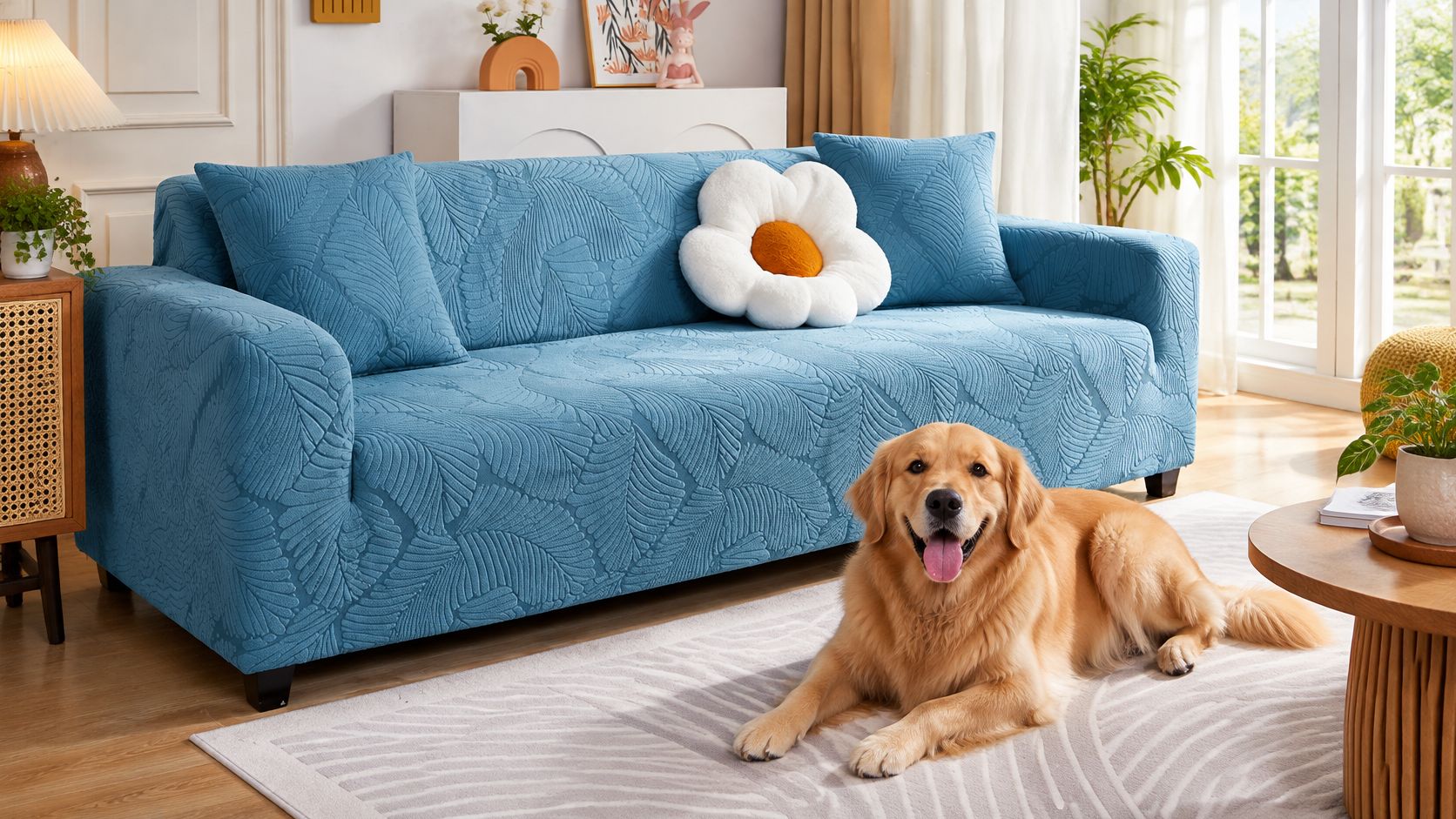
A rug’s pile height is how long its fibres are, and for pet owners, a low pile is almost always the way to go. High-pile or shag rugs are magnets for pet hair, dust, and dander — even the most powerful vacuum struggles to pull out all that embedded fur.
A low-pile rug has short, tight loops that give you a few key wins:
- Effortless Vacuuming: Your vacuum will glide right over the surface, picking up debris without a fight.
- Reduced Snagging: No long loops for your pet’s claws to get tangled in.
- Easier Stain Removal: Spills sit on top of the fibres, making them much easier to blot up before they soak in.
For the toughest spots in the house, go a step further with flatweave rugs — woven flat with no pile at all, virtually indestructible against claws and ridiculously easy to wipe down.
Use Patterns to Your Advantage
A solid-coloured rug is a high-maintenance nightmare in a home with pets; every stray hair and paw print stands out. A busy pattern, especially one with a mix of colours, creates visual "noise" that camouflages minor stains, shedding, and tracked-in dirt.
A strategically patterned rug is like camouflage for your floor. Small imperfections blend into the background instead of standing out.
Embrace the Convenience of Washable Rugs
One of the best innovations for modern homes has to be the machine-washable rug. No matter how stain-resistant a rug claims to be, there are times when you just need a deep clean to tackle odours or a really messy accident. A quick wash can make your rug look and smell brand new again. If you're washing pet textiles regularly, it's worth knowing that laundering synthetic fabrics releases microfibres into wastewater. Research into textile laundering highlights the environmental impact of microfibre shedding during typical wash cycles, so following manufacturer care labels — such as using full loads and cooler temperatures — helps manage wear and environmental impact. You can read more about microfibre release during laundry in peer-reviewed research. You can find similar easy-clean solutions for furniture too, like in our collections of waterproof settee covers.
Prioritise Non-Slip Backing for Safety
A rug that slides around on a hard floor is a safety hazard for everyone, two-legged and four-legged alike. Look for built-in non-slip backing made from rubber or latex, or add a high-quality non-slip rug pad. A rug pad also protects your floor from scratching and dye transfer, and extends the rug's life by absorbing daily impact. One more trick that costs nothing: placing just the front legs of your sofa and armchairs on the rug locks it in place and pulls the seating area together visually at the same time.
Redirecting Scratching and Chewing
If a cat has decided your new rug is a scratching post, or a dog keeps gnawing at the corners, that's usually instinct or boredom. The fix is redirection, not punishment.
- Give them a better option: Put a proper scratching post right next to the spot they keep going for.
- Pick your weave with this in mind: Looped pile is an open invitation for claws; a cut-pile or flatweave rug is far less satisfying to scratch.
- Keep chewers occupied: More chew toys and daily exercise usually ease boredom-chewing; a pet-safe bitter deterrent spray on the rug's corners helps break the habit.
Keeping Your Rug Clean in a Pet-Filled Home
Even the hardiest rugs need a bit of TLC, and the same goes for your sofa. Because upholstery is where most readers struggle most, let's start there. Knowing how to remove pet hair from couch cushions efficiently is essential for maintaining a fresh living space.
Quick Answer: Removing Pet Hair From a Couch
If you need to know how to remove pet hair from couch surfaces quickly, the fastest reliable method is a sequence: vacuum the couch with an upholstery attachment, then loosen the hair before collecting it. Run a slightly damp rubber glove (or a window squeegee, or a fabric-safe bristle brush) across the cushions in one direction — the friction and static pull stubborn hair out of the weave and into visible clumps. Pick the clumps off by hand, then finish with a lint roller or a wipe with a damp microfiber cloth. This sequence is relatively quick on a standard two-seat sofa, and it works on both fabric and some leather finishes (lightly, with the grain). For detailed steps on upholstery maintenance, refer to fabric care guidelines.
Pet hair on sofas is a widespread household-maintenance issue because pets are present in a large share of homes in major markets, which makes couch-hair removal a routine job for most homes with a lounge rather than a niche problem — something the pet ownership data puts in perspective.
Adjusting by fabric: tightly woven upholstery (canvas, twill, outdoor fabric) releases hair easily with a vacuum and glove pass. Textured or chunky fabrics — chenille, boucle, corduroy, or wool-blend weaves — hold hair in their ridges, so you'll need shorter strokes and probably two collection passes before the lint roller.
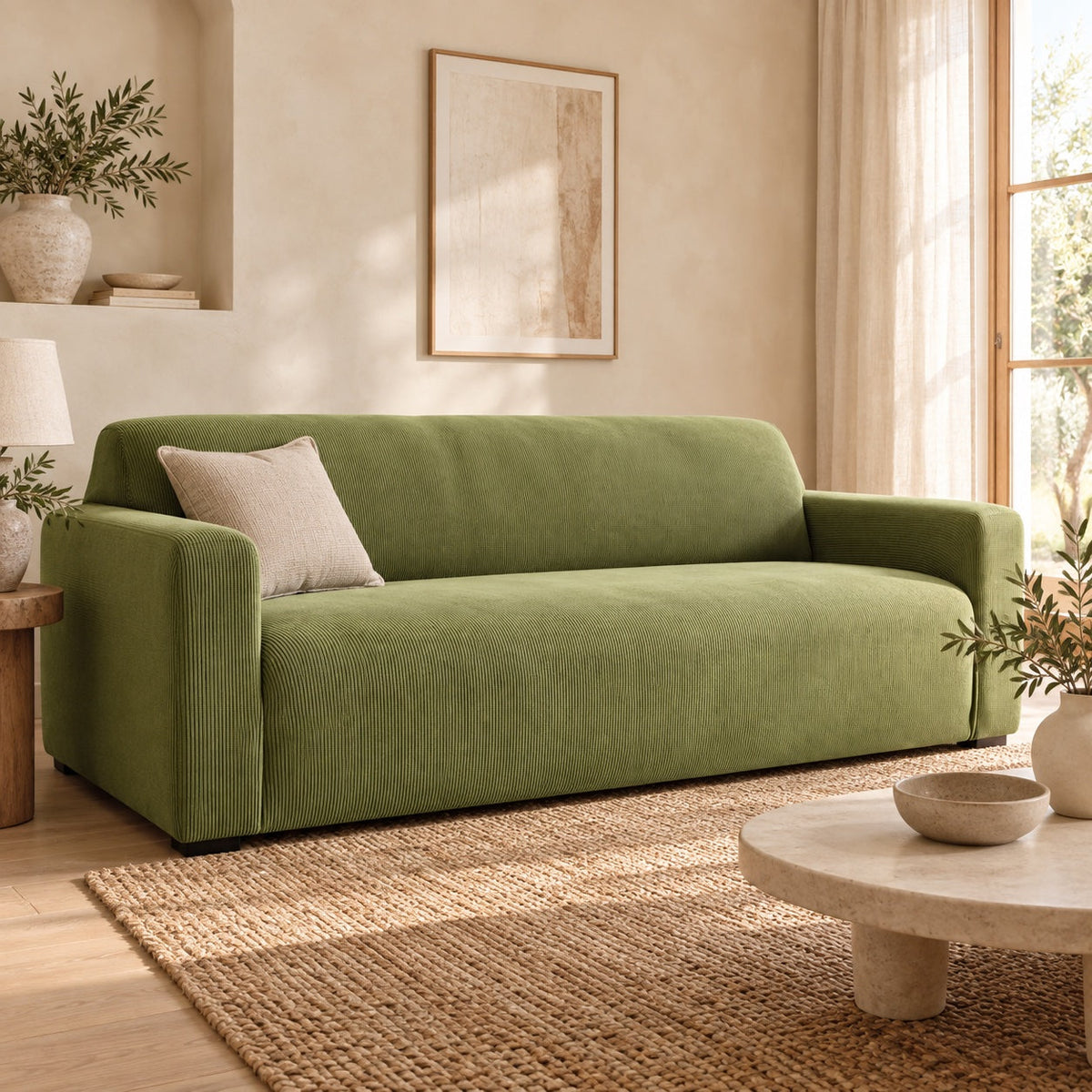
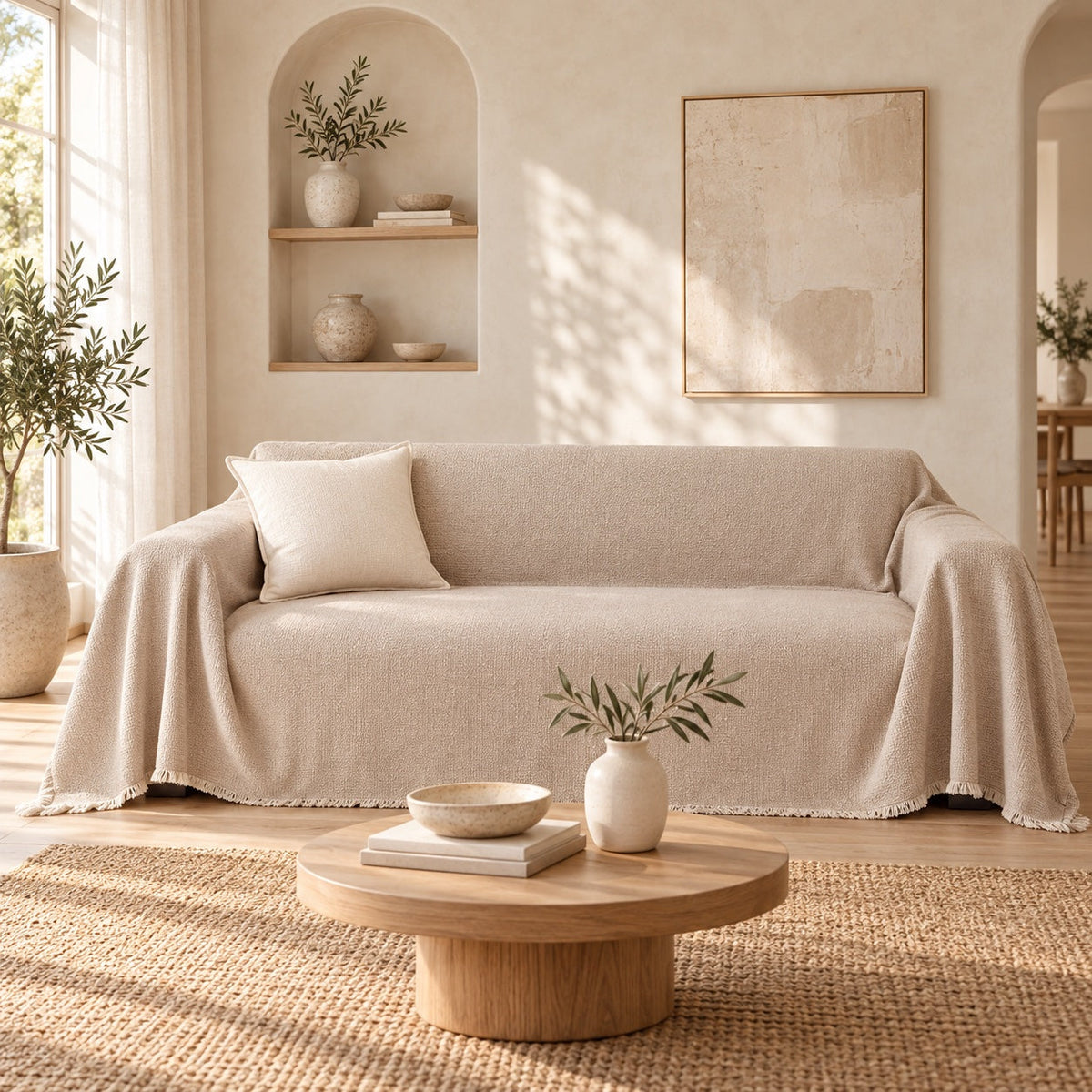
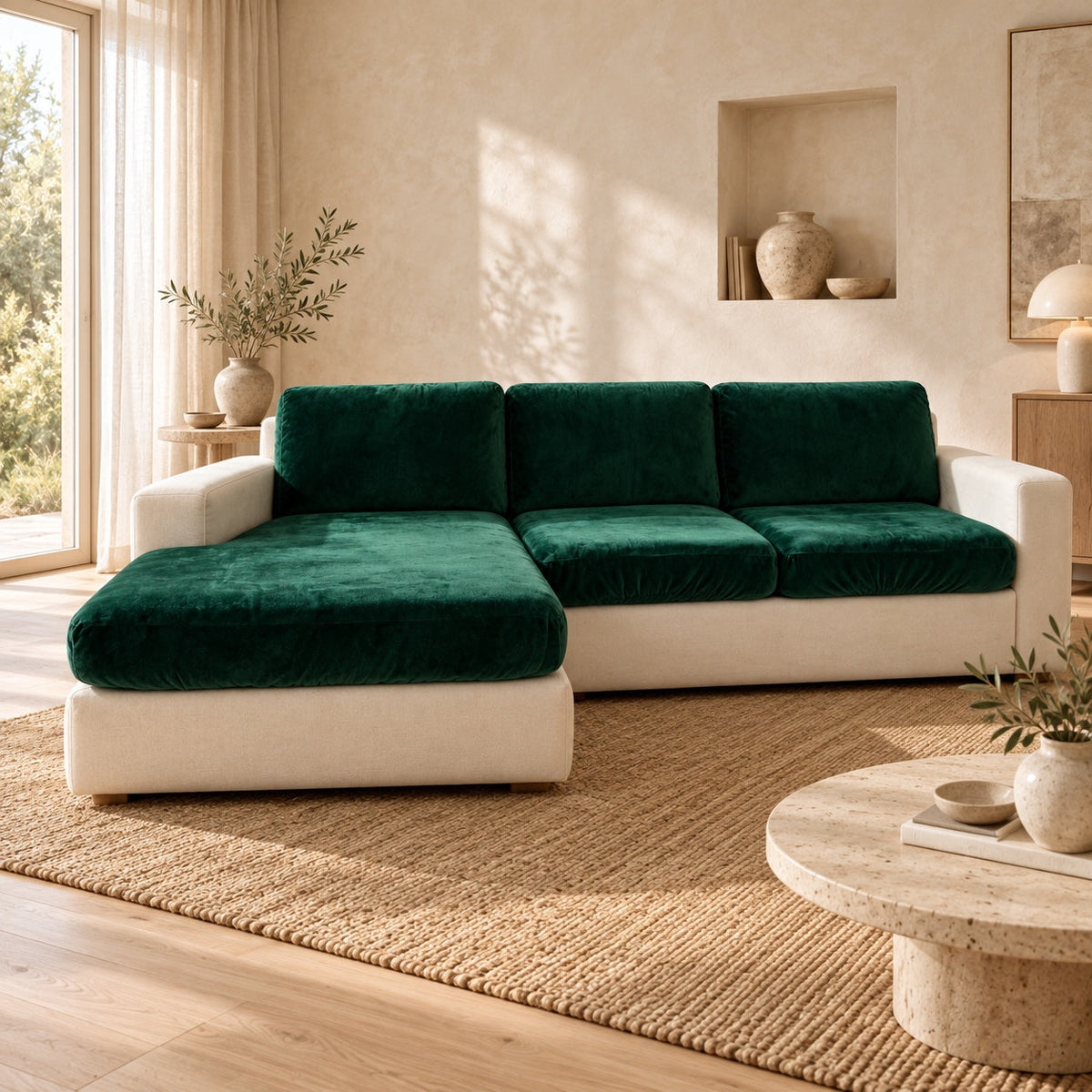
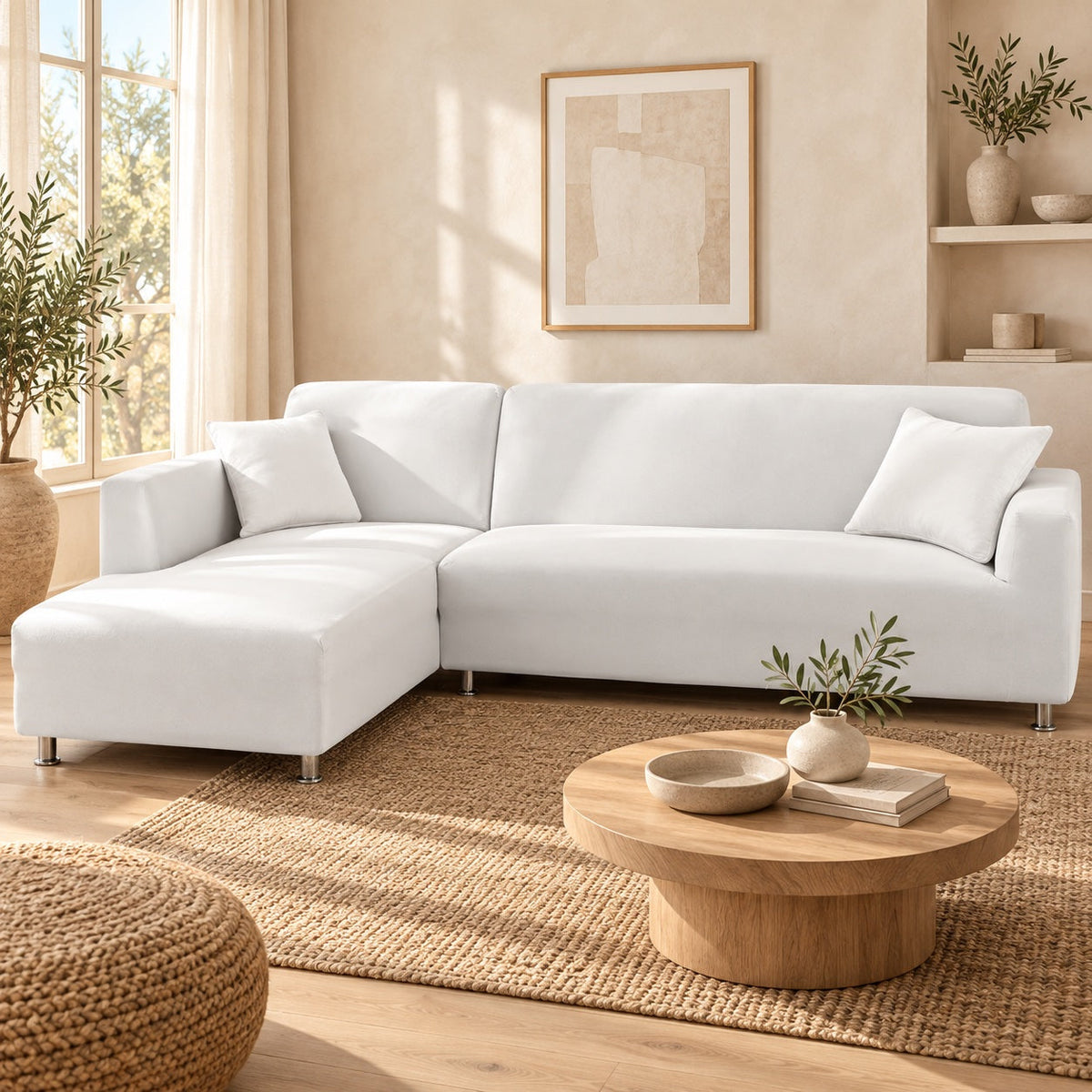
What not to use: skip adhesive tape that leaves residue, stiff wire brushes, and anything abrasive on velvet or delicate weaves — it pulls loops and permanently roughens the nap. With washable fabric, swapping in a washable cover is often the lower-effort answer; our tightly woven couch covers resist snagging and are easy to wash, and our Velvet covers are machine washable. If accidents are the bigger issue, our spill-proof couch covers have a waterproof backing that stops liquids soaking through.
In my experience, the rubber glove beats many commercial gadgets — lint rollers fill up quickly, and some pet-vacuum attachments push hair around rather than lifting it, but a damp glove collects everything in one pass.
Your Go-To Vacuuming Technique for Pet Hair on Rugs
For most homes with furry family members, vacuuming two to three times a week keeps hair under control, more when they're shedding their winter coat. Vacuum the entire rug in one direction, then again at 90 degrees. This criss-cross method lifts trapped fur that a single pass glides over, and a vacuum with a beater bar makes a real difference. Regular vacuuming techniques are widely recommended by cleaning experts to prolong rug life.
Tackling Common Pet-Related Messes
For Muddy Paws: Let the mud dry completely before anything else — wiping wet mud grinds it deeper into the fibres. Once it's hard and crusty, break up the chunks, vacuum them up, and spot-treat any faint discolouration.
For Urine and Other Accidents: Act fast.
- Blot, Don't Rub: Press down firmly with a clean, dry cloth to soak up as much as possible. Rubbing just spreads the mess.
- Use an Enzymatic Cleaner: Standard carpet cleaner won't work. Enzymatic cleaners release enzymes that break down the organic proteins in pet waste, which is what causes stains and odours. Veterinary sources consistently recommend enzymatic cleaners for biological stains because they eliminate the scent markers that attract pets back to the same spot.
- Rinse and Blot Again: Lightly mist with plain water and blot dry to lift leftover solution.
Getting the stain out is only half the job. If you don't eliminate the scent with an enzymatic cleaner, your pet's nose will lead them right back to the same spot.
Knowing When to DIY and When to Call the Professionals
Renting a carpet cleaning machine from a local shop is a great way to give your rug a yearly refresh. But if you're facing a massive, set-in stain or a lingering smell — or you have a delicate wool or silk rug — call a professional. I recommend booking a professional clean every 12 to 18 months anyway: a factory reset that removes deep-down dirt and allergens.
Finding the Sweet Spot: Style Meets Pet-Friendly Design
Let's bust a common myth: choosing a pet-friendly rug does not mean sacrificing your home's aesthetic. The secret is to start thinking of those practical features as design elements. A busy pattern isn't just a clever way to hide fur; it's a bold statement piece that anchors the room.
Your Secret Weapons: Colour and Pattern
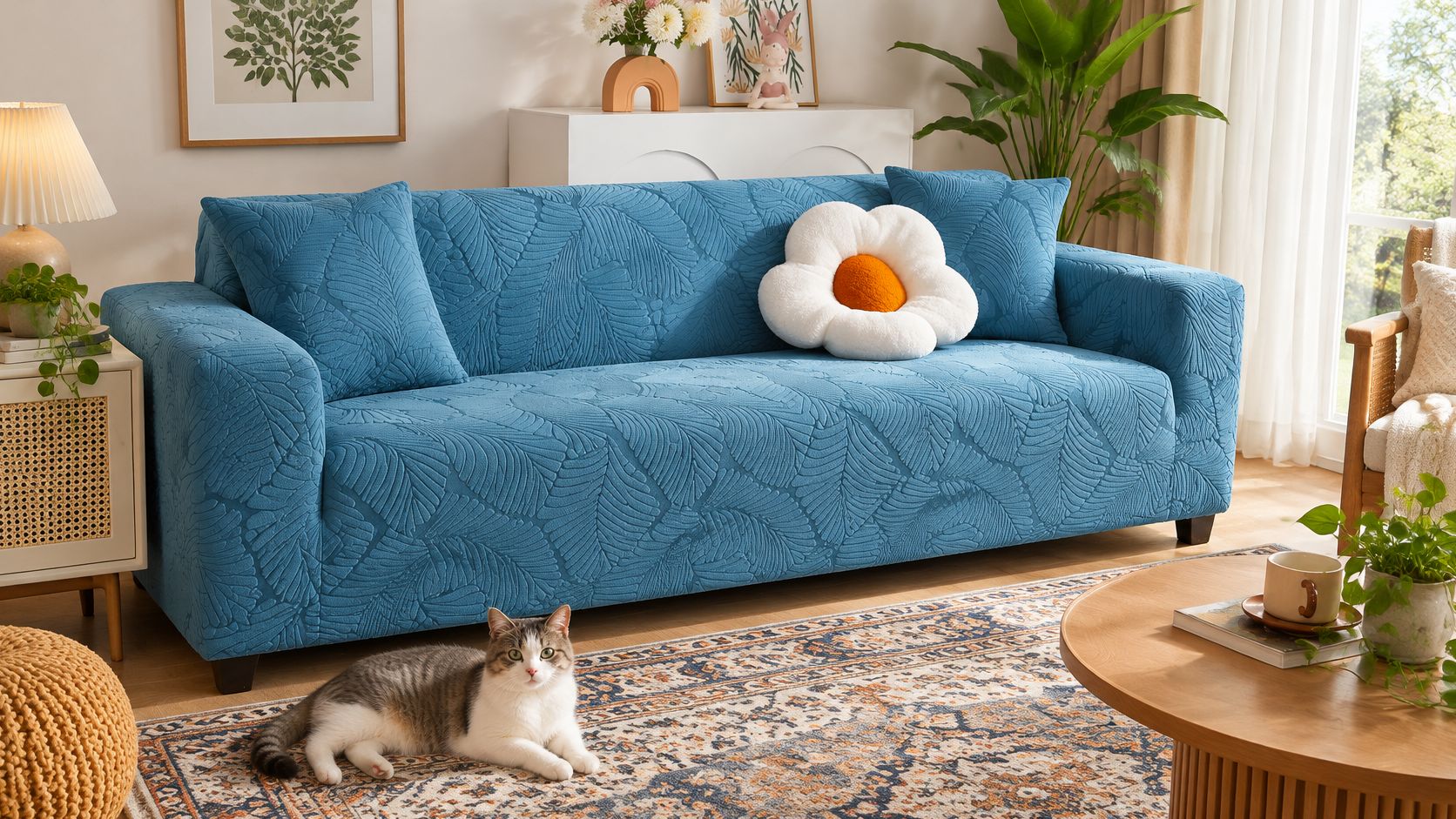
Dark, solid-coloured rugs may seem best for hiding mess, but light-coloured pet hair and dust can stand out even more against them. Use colour and pattern to your advantage:
- Go for Multi-Tonal Rugs: A weave that mixes light and dark threads camouflages both light and dark pet hair. For ideas, our article on blue-grey rugs shows how versatile these mixed palettes can be.
- Embrace Intricate Patterns: Persian, geometric, or abstract patterns distract the eye from imperfections.
- Look for a "Lived-In" Finish: A slightly distressed, vintage-inspired style means everyday wear from your pet just adds character.
- Match Your Pet's Coat: If you have a blonde dog, lean towards warm beige or multi-tonal earth tones. For black cats, charcoal or patterned navy hides dark fur beautifully.
Weaving a Hard-Working Rug into Your Decor
Whether your home is modern minimalist, cosy bohemian, or classic Hamptons, focus on three things: colour, pattern, and texture.
A lot of people assume dark, solid-coloured rugs are best for hiding mess. The reality is, they can make light-coloured pet hair and dust stand out even more. A rug with a mix of tones and a good pattern is far more effective.
Texture plays a huge role too. A flatweave rug with a subtle ribbed texture adds depth to a minimalist room without giving pet claws anything to catch on. Conversely, a thick, plush rug might feel luxurious, but it will show every paw print and trap every piece of kibble. By treating the rug's practical requirements as your starting design constraints, you narrow down the options to pieces that complement the room while standing up to your pets.
Getting the Size and Shape Just Right
In living areas where your pets hang out most, a large rug is usually the answer: place the front legs of all your furniture on it to create a unified zone, and a bigger rug means more of your floor is protected from claws. When sizing a rug for a living room, aim for one that extends at least 15 to 20 centimetres beyond the edges of your sofa. This ensures that when your dog jumps up or down, they land on the rug, not the bare floorboards where scratches happen.
For dining rooms, choose a rug big enough for chairs to stay on it even when pulled out. If a chair leg catches the edge of a rug every time someone stands up, it will fray quickly — and a frayed edge is an irresistible chewing target for a bored puppy. Measure your table, add the width of a pulled-out chair on all sides, and that is your minimum rug size.
And don't forget runners in hallways — perfect for muddy paws and a pop of colour in a narrow space. Hallway runners take the brunt of transit traffic from the backyard to the living room. Opt for a flatweave or low-pile runner with a rubberised backing so it stays flat and doesn't become a tripping hazard for running dogs or older pets with mobility issues.
Frequently Asked Questions
What's the Best Way to Remove Dog Hair From a Sofa?
Finding the best way to remove dog hair from a sofa involves a quick sequence: vacuum with an upholstery attachment, drag a slightly damp rubber glove across the fabric to gather hair into clumps, and finish with a lint roller. Textured fabrics may require a second pass with shorter strokes.
How Do I Get Embedded Dog Hair Out of Fabric?
Getting embedded dog hair out of fabric requires agitation to release the strands from the weave. A damp rubber glove or a window squeegee creates enough static and friction to lift the hair to the surface. Work in one direction, collect the clumps, and repeat in the opposite direction if necessary.
Are Wool Rugs a Good Idea with Dogs and Cats?
Wool rugs are durable and naturally resist stains due to their waxy coating, making them suitable for well-trained pets. However, looped-pile wool snags claws easily, and wool absorbs liquids faster than synthetics, making odour removal difficult. For accident-prone pets, polypropylene is a safer choice.
What's the Best Way to Get Pet Hair Out of a Rug?
Vacuum slowly in a criss-cross pattern using a beater bar to lift hair from the base of the pile. For stubborn strands, dragging a rubber squeegee or a damp rubber glove across the rug balls the hair up for easy removal. Regular pet grooming also significantly reduces the amount of hair reaching the floor.
How Can I Stop My Rug Smelling Like My Pet?
Treat accidents immediately with an enzymatic cleaner to break down odour-causing proteins. For general freshness, sprinkle baking soda over the rug, leave it overnight to absorb odours, and vacuum thoroughly. Machine-washable rugs offer the easiest long-term odour control through regular laundering.
Are Washable Rugs Worth It?
Washable rugs are absolutely worth the investment for pet owners. Being able to machine-wash the entire rug removes stains, odours, and allergens that spot-cleaning cannot fully address, making maintenance significantly easier for homes with heavy shedders or accident-prone pets.
At Casamé Home, we believe a pet-friendly home should be a stylish one. Explore our collections at https://casamehome.com to find stylish protection for your couch today.