Getting the standard bench height right is the first step in furniture planning. For lounge rooms, entryways, or ottomans, the typical seat height sits between 45 cm and 50 cm. For dining benches, you are generally looking at around 45 cm so the seat can tuck neatly under a standard table. Understanding these ranges helps you avoid the common mistake of mixing up worktop heights with seating dimensions.
Key Takeaways: Standard Bench Heights
- Dining Benches: Usually 43–48 cm high, designed to clear a 75 cm table.
- Lounge and Entry: Around 45–50 cm, ideal for sitting and putting on shoes.
- Kitchen Benches (Worktops): Typically 90–92 cm high, serving as the main workspace.
- Bar Stools: Usually 60–65 cm high, paired with 105 cm counters.
Table of Contents
- How We Chose These Bench Height Ranges
- Standard Bench Height in cm: Quick Reference Table
- Your Quick Guide to Australian Bench Heights
- The A-ha Moment: Why Bench Height Matters
- Australian Standard Bench Heights at a Glance
- Finding the Perfect Balance
- Kitchen and Dining Bench Heights Explained
- Shifting to the Dining Room
- How to Measure Your Bench for a Perfect Fit
- Measuring Bench Seat Depth
- Fit Formula and Example
- Pro Tips for a Flawless Fit
- Choosing the Right Cover for Your Bench
- Choosing by Bench Type
- Styling Your Bench to Elevate Your Space
- Create Warmth with Layered Textures
- Use Your Bench to Define a Zone
- Frequently Asked Questions
- What Height Should Bar Stools Be for a 90 cm Kitchen Bench?
- Can I Use a Dining Bench in My Living Room?
- How Do I Choose a Cover for a Bench with Attached Arms?
How We Chose These Bench Height Ranges
The measurement ranges presented here are based on a combination of Australian building standards, ergonomic principles, and practical interior design requirements. Where possible, we prioritise data from Standards Australia regarding kitchen joinery and ergonomic studies on seated comfort.
For kitchen and bar heights, we refer to common Australian joinery standards, which typically dictate a benchtop height of 900 mm to 920 mm. For seating, we look at the average lower-leg length of Australian adults to ensure feet can rest flat on the floor, supporting a healthy 90-degree knee angle. Finally, we consider cover fit and furniture clearance—ensuring that dining benches have enough gap under tables and that lounges align visually with sofas. This methodology ensures the dimensions are not just theoretical but functional for real Australian homes.
My rule of thumb is to never suggest a single number. I always recommend showing ranges because a 45 cm bench that’s 20 cm deeper will feel completely different from a 48 cm bench that’s slim. When I see customers mis-measure depth and assume height is the issue, it’s usually the depth throwing off their posture.
Standard Bench Height in cm: Quick Reference Table
If you need to convert inches to centimetres or compare different bench types quickly, this reference table covers the most common standards.
| Use Case | Standard Height (cm) | Standard Height (inches) | Purpose |
|---|---|---|---|
| Kitchen Benchtop | 90–92 cm | 35–36 in | Food prep and standing work |
| Bar Counter | 100–105 cm | 39–41 in | High-top seating |
| Bar Stool Seat | 60–65 cm | 24–25 in | Clearance for bar counters |
| Dining Table | 73–76 cm | 29–30 in | Main dining surface |
| Dining Bench Seat | 43–48 cm | 17–19 in | Knee clearance under table |
| Lounge/Entry Bench | 45–50 cm | 18–20 in | General sitting and shoe changes |
| Ottoman | 40–50 cm | 16–20 in | Matching sofa heights |
Note that kitchen benchtop heights are significantly higher than dining bench heights. Confusing the two is the most frequent error when shopping for covers or designing layouts. In my experience, we cap kitchen benchmarks at 92 cm because anything higher strains the shoulders for the average Australian adult woman.
Your Quick Guide to Australian Bench Heights

It might seem like a minor detail, but getting the bench height right is the secret ingredient to creating a space that feels both comfortable and visually balanced. When it’s right, the room just flows. When it’s wrong, something feels off, even if you can’t quite put your finger on why.
The tricky part is that there isn't one single "standard" number. It's more of a set of guidelines that change depending on what the bench is for. Think of it like shoes: you wouldn't wear hiking boots to a formal dinner. In the same way, the perfect height for a kitchen prep bench is completely different from a cosy living room ottoman you want to put your feet up on.
The A-ha Moment: Why Bench Height Matters
Once you get a handle on these dimensions, you gain a new level of confidence in your interior design choices. It’s about more than just numbers; it’s about making your home work for you.
A correctly sized bench is about ergonomics—it supports good posture, so you can sit down without straining your back or having your feet dangle awkwardly. It's also about visual harmony. Aligning your bench with other pieces, like a dining table or your sofa, creates those clean, satisfying lines that make a room look polished and intentional.
To give you a clearer picture, here’s a quick rundown of the most common bench heights you’ll find in Australian homes, broken down by how they’re used.
Australian Standard Bench Heights at a Glance
This table summarises the typical height ranges for different types of benches you’ll find around the home.
| Bench Type | Standard Height Range (cm) | Common Use Case |
|---|---|---|
| Dining Bench | 43–48 cm | Designed to fit under a standard dining table (approx. 75 cm high). |
| Lounge/Entryway Bench | 45–50 cm | Sits comfortably alongside sofas and is a practical height for putting on shoes. |
| Ottoman Bench | 40–50 cm | Often matches the seat height of your sofa for comfortable leg-resting. |
| Kitchen Island Bench | 88–92 cm | Standard kitchen counter height for food preparation and casual seating. |
| Bar Bench/Stool | 60–75 cm | Pairs with higher kitchen counters or home bars (approx. 105 cm high). |
Knowing these figures is your first step towards buying with confidence. It ensures that any new furniture, slipcover, or throw you have your eye on will fit, saving you from the hassle and disappointment of a mismatched purchase.
Ever wondered why some living room benches or ottomans feel just right? It’s not an accident. The comfort you’re feeling is the result of smart ergonomic design, where furniture is shaped to work with the human body, not against it.
Think of a living room bench as a chair without a back. Its main job is to offer comfortable, easy-to-use seating. The standard bench height of 45–50 cm (18–20 inches) has become the industry benchmark for a simple reason: it’s perfectly optimised for the average person's lower leg length. That 18–20 inch range is the default reference in many guides because it works for most adult users in everyday sitting situations.
This specific height lets your feet rest flat on the floor, keeping your knees at a comfortable 90-degree angle. This posture takes the strain off your lower back and thighs, making it ideal for everything from slipping on your shoes in the entryway to putting your feet up after a long day. It’s one of those subtle details that makes a huge difference in overall comfort.
Finding the Perfect Balance
Beyond your own comfort, this standard height plays a huge part in creating a living space that feels cohesive and well-designed. A 45–50 cm bench lines up beautifully with the seat height of most standard sofas and armchairs. This visual and physical continuity makes the room feel balanced and intentional, promoting smooth transitions between pieces.
The rise of modular furniture in Australia has really cemented this standard. It simplifies the whole design process, letting brands create universal-fit accessories like ottomans and coffee tables that look right at home in almost any setup.
This standardisation is especially clear in Australian homes. When considering adaptability in seating, it is also worth noting that bench height standards vary significantly by use case, reflecting an evolution from one-size-fits-all to purpose-built dimensions. For instance, work-oriented benches are much taller, while home seating remains in the lower range (bench height standards and ergonomic heights).
When thinking about the comfort and usability of benches for specific tasks, it's also interesting to look at the ergonomic benefits of height adjustable sewing tables to see how adaptability can boost function even further.
Kitchen and Dining Bench Heights Explained
When you step out of the relaxed vibe of the lounge room and into the busy hub of the kitchen, the rules for furniture height change completely. It’s a perfect example of how function always wins out over form in home design. A kitchen island bench, after all, has a very different job to do than a living room ottoman.
Kitchen benches are almost always taller, typically standing at a standard bench height of around 90 cm (36 inches). This isn't just some random number; it was chosen specifically for tasks you do while standing.
Think about it: chopping vegetables, kneading dough, or washing up are all done on your feet. A 90 cm counter brings the work surface up to a comfortable level, so you aren't hunching over and putting strain on your back.
This standard has deep roots in Australian home design, tracing back to the post-World War II housing boom when ergonomics started to play a much bigger part in how our homes were built.
The Australian Standards Association, now Standards Australia, was instrumental in setting these guidelines in the 1950s. During this period of rapid home building, the kitchen workbench height was standardised at 36 inches (approximately 91 cm) to create more efficient and comfortable workspaces for families. You can discover more insights about these standards in the Australian building codes.
Shifting to the Dining Room
Now, let's wander into the dining area, where the focus shifts from doing to relaxing and socialising. Here, the standard bench height drops right back down to about 45 cm. Why the massive change? It all comes down to its relationship with the dining table.
A standard dining table in Australia sits around 75 cm high. A 45 cm bench gives you that ideal 30 cm gap for your legs, letting you sit comfortably without your knees banging against the underside of the table. To really get your head around how tables and seats work together, it's helpful to understand all the common dining table heights and how they pair up with different seating options.
This shorter height also means the bench can be tucked neatly under the table when it’s not being used, which is a fantastic space-saver in smaller dining rooms or open-plan homes. I’ve found that entryway benches often skew a bit deeper than dining benches because they serve as landing zones for coats and bags, requiring more surface length.
This simple comparison between kitchen and dining benches really highlights a core design principle: a piece of furniture is only as good as how well it serves its purpose. For context on how these dimensions apply to custom joinery and cabinetry, projects such as those by Jennifer Gilmer Kitchen & Bath demonstrate how precise height planning integrates with functional kitchen design.
How to Measure Your Bench for a Perfect Fit
Feeling confident about finding the perfect cover or throw starts with a simple tape measure. Getting the fit right is everything, and taking a few moments to measure is the single most important step for that sleek, custom-made look. Think of it like buying a new pair of jeans—you wouldn't just guess the size and hope for the best.
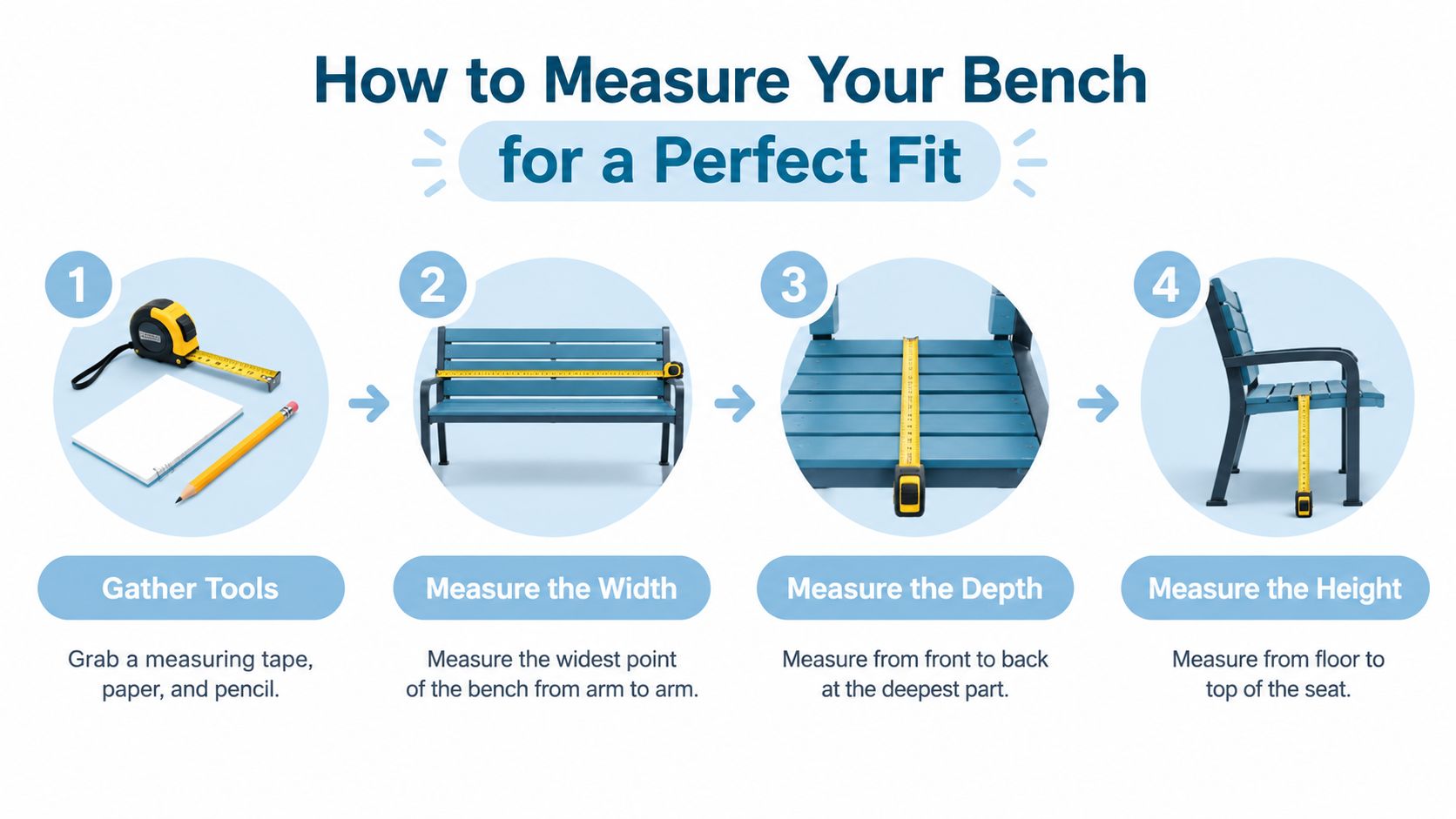
To get that perfect fit, you'll need to look beyond just the standard bench height. While height is an important piece of the puzzle, you'll also need the length and width (or depth) of your bench seat for a flawless finish.
Here are the essential measurements you'll need to grab:
- Length: Run your tape measure along the longest side of the bench, from one end to the other.
- Width (or Depth): Measure from the very front edge of the seat straight back to where it meets the backrest.
- Height: Measure from the floor right up to the top of the seat cushion.
This simple process flow diagram shows how standard bench heights can differ between key areas like the kitchen and dining room.
As you can see, a kitchen bench is often much higher than a typical dining bench, which really drives home why one size rarely fits all.
Measuring Bench Seat Depth
Seat depth is often overlooked, yet it is critical for comfort and correct cover sizing. A dining bench usually has a shallower seat—typically 35–40 cm—because it needs to slide under a table. In contrast, an entryway or lounge bench is often deeper, ranging from 40–50 cm, to allow for relaxed sitting.
To measure depth on a backless bench, measure from the front edge to the rear edge. On a bench with a backrest, measure from the front edge to where the seat cushion meets the back support. If you are buying a cover, knowing the depth ensures the fabric drapes correctly without pulling too tight or sagging excessively.
Fit Formula and Example
When selecting a cover, use the following checklist to determine your requirements:
- Seat Height: Floor to top of compressed cushion.
- Seat Depth: Front edge to back support.
- Overhang Allowance: Add 5–10 cm to each side if you want the cover to drape over the edges rather than sitting flush against them.
For example, a typical entryway bench might measure 100 cm long, 45 cm deep, and 48 cm high. A dining bench might measure 120 cm long, 38 cm deep, and 45 cm high. Using these exact measurements ensures that a stretch cover will fit securely without distorting the shape of your bench.
Pro Tips for a Flawless Fit
If you're eyeing a stretch-fit cover for a bench that has arms, make sure you measure around the curve of the arms to account for the extra fabric needed. For a throw blanket, I always recommend adding at least 20-30 cm to your length measurement so you get that stylish, relaxed overhang on each side.
Getting these numbers right takes all the guesswork out of buying online. It’s the difference between a cover that looks like it was custom-made and one that looks like a loose, ill-fitting sheet. A precise fit is absolutely key to getting that polished look.
For a more detailed walkthrough and helpful visual aids that cover every type of furniture, consult the size guide. You can learn more by checking out our complete size guide to make sure you get it right every single time.
Choosing the Right Cover for Your Bench
Alright, you've got your measurements sorted. Now for the fun part—finding a cover that doesn’t just fit your bench, but fits your life. This is about more than just matching numbers on a tape measure; it's about finding a practical solution that looks fantastic and stands up to your daily routine.
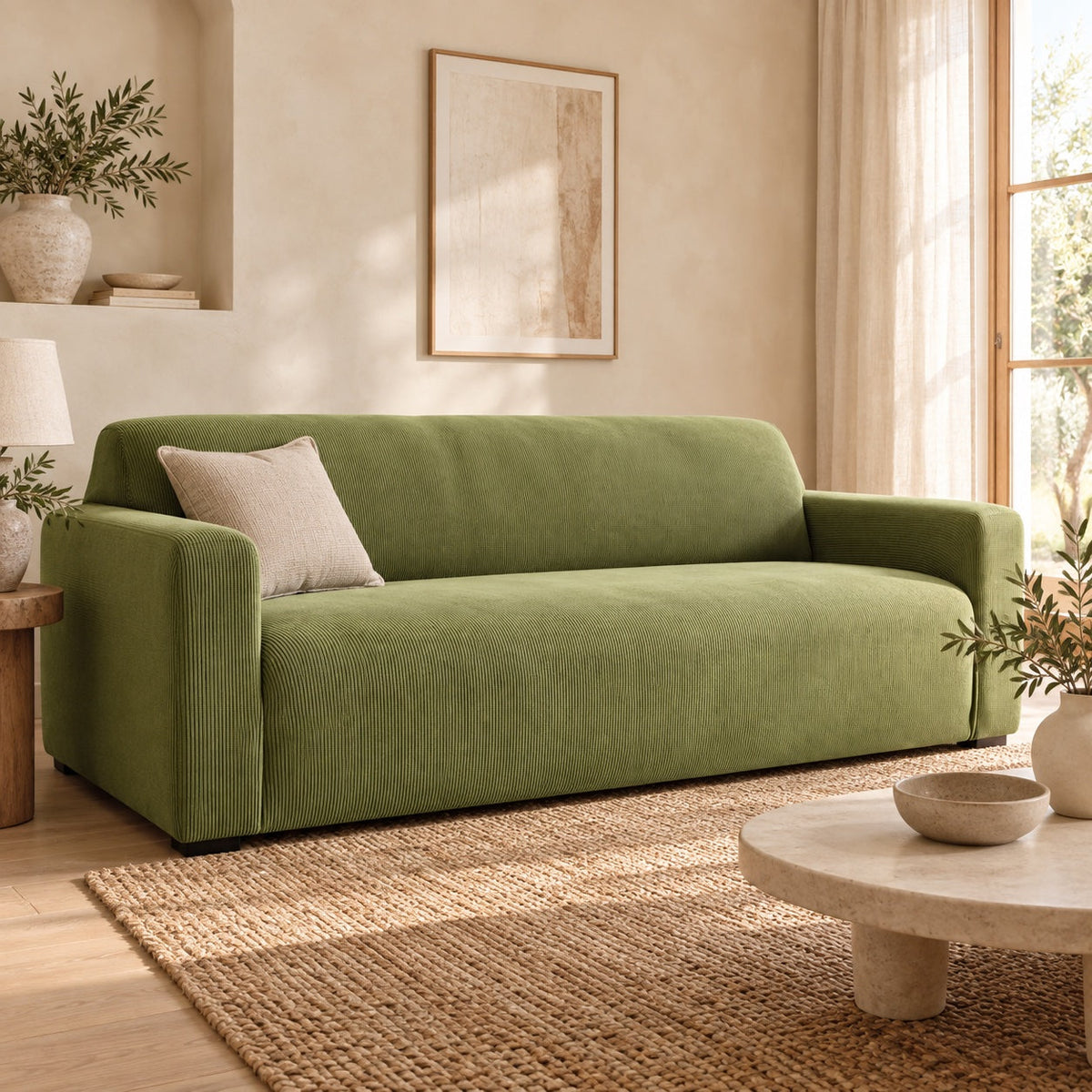
For a busy household with kids and pets, you know that spills and messes are just part of the deal. Our durable, waterproof spandex covers are the perfect line of defence. They make clean-ups an absolute breeze, protecting your furniture and giving you some much-needed peace of mind.
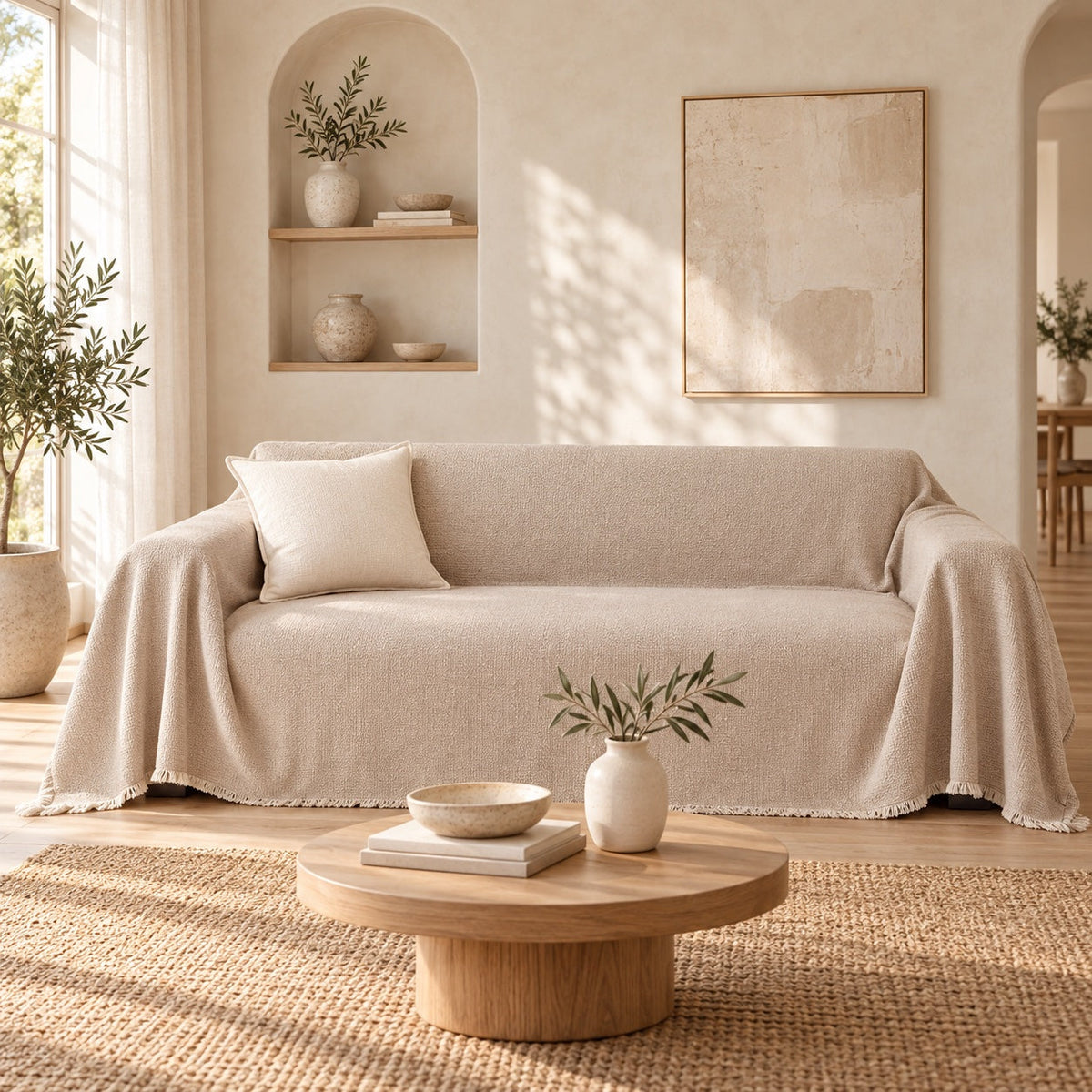
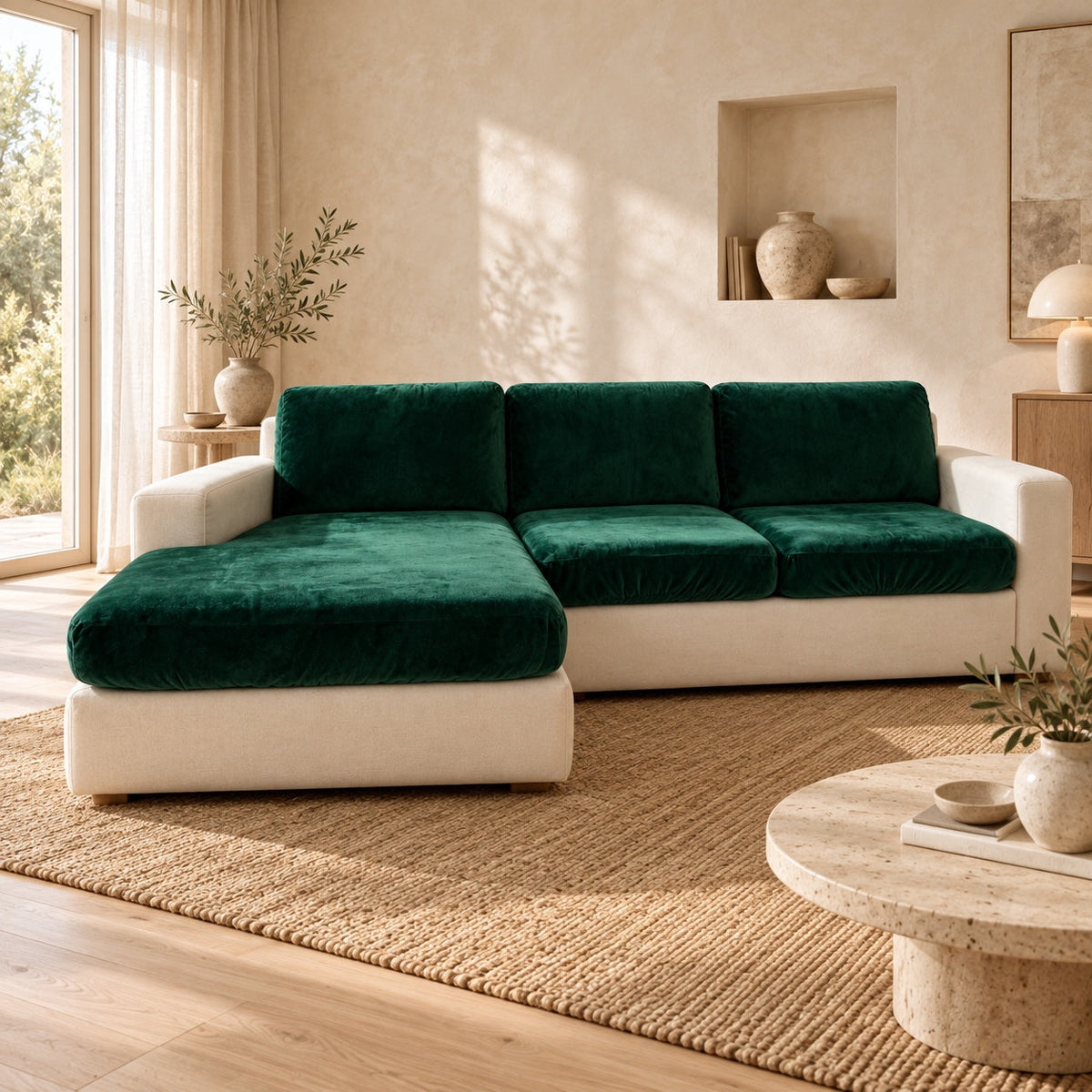
If you’re more focused on refreshing your décor, the right fabric can instantly lift the whole room. Textured jacquard covers are brilliant for adding a bit of depth and sophistication, while one of our cosy throws can turn any bench into the most inviting spot in the house. You can find more styling ideas in our guide on choosing a seat cover for your bench seat.
Choosing by Bench Type
Not all covers work equally well on every bench. Here is a practical breakdown:
- Dining Benches: Because these are often hard wooden frames, a fitted stretch cover provides a smooth, upholstered look and protects against scratches. Ensure the cover fits tightly around the legs.
- Entryway Benches: These benefit from throws or looser covers that can be easily removed for cleaning. A deep seat may require a cover with extra depth allowance.
- Ottoman-Style Benches: A fitted cover is essential here to maintain the clean, boxy silhouette. Stretch fabrics work best to hug the contours without wrinkles.
- Benches with Storage: If your bench has a lift-up lid, choose a cover material that isn't too bulky, so the lid can still open and close smoothly.
No matter your situation, the goal is to find a cover that slots seamlessly into your everyday life. When you think about your lifestyle first, you’ll end up with a choice that’s not just stylish, but practical too.
Styling Your Bench to Elevate Your Space

Alright, you've nailed the practical stuff—the measuring, the heights, the nitty-gritty details. Now for the fun part. You get to transform a simple bench from a purely functional item into a piece that injects your personality right into the room.
Getting the standard bench height right is the essential first step, but it’s the styling that makes it sing. It’s your chance to play with colour, texture, and accessories to create a look that feels completely, authentically you.
Create Warmth with Layered Textures
One of the quickest and most effective ways to make any bench feel more inviting is to layer it with different textures. That makes a big difference, especially in the cooler months, turning a stark bench into a warm, cosy little nook.
Start with a great-fitting cover as your base. Then, casually drape a chunky knit throw over one end of the bench. Add a couple of plush cushions in a contrasting fabric—think lush velvet or even a bit of faux fur—to finish the look. The mix of materials creates a rich visual appeal that just begs you to come and sit for a while.
This approach works wonders for an entryway bench, offering a warm welcome the second you walk through the door. For more ideas, you can find plenty of inspiration in our guide to styling your entrance bench seat.
Use Your Bench to Define a Zone
In a big, open-plan space, a bench can be your secret weapon for creating clever, distinct zones. A strategically placed bench can subtly divide your lounge from your dining area or carve out a peaceful reading corner near a window.
Think of your bench as a soft, visual boundary. A long, elegant bench placed behind your sofa, for instance, can serve as a sophisticated room divider. It adds structure without putting up a wall, and gives you extra seating or a handy surface for books and decor.
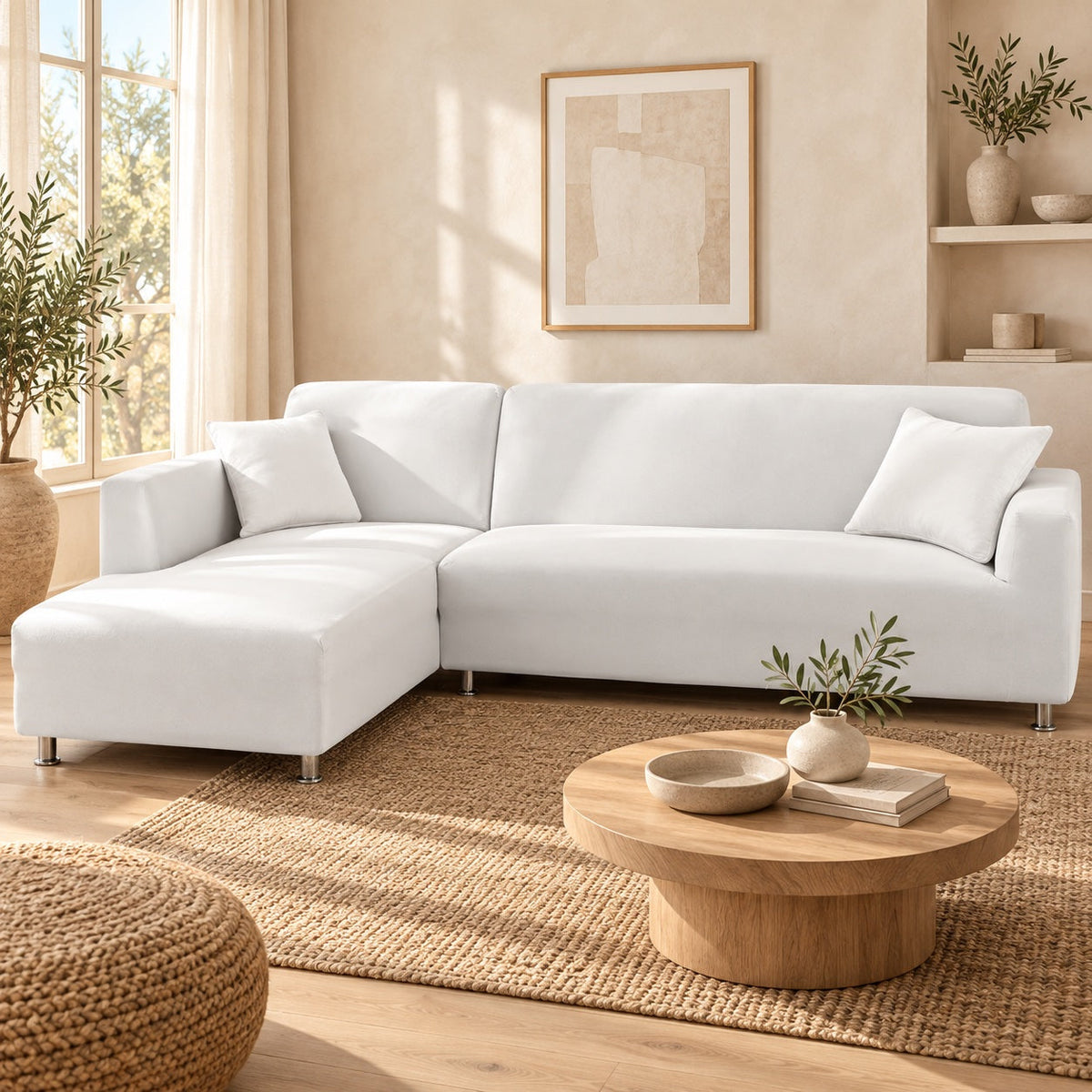
If your couch is looking tired, our stretch couch covers are a quick fix: easy to fit, machine-washable and available in sizes for every couch, corner included.
All that groundwork on dimensions really pays off. When you know your bench height lines up perfectly with your table or sofa back, you can stop worrying about the fit and start focusing on the creative side of things. It’s your space, so make the most of it and bring your vision to life.
Frequently Asked Questions
Still have a couple of questions rattling around? Don't worry, you're not alone. Here are the answers to some of the most common things people ask us about benches and covers.
What Height Should Bar Stools Be for a 90 cm Kitchen Bench?
For a standard 90 cm high kitchen bench, you’ll want to look for bar stools with a seat height of around 60–65 cm.
This simple rule of thumb leaves you with about 25–30 cm of clearance, which is the sweet spot for legroom for most adults. It means you can sit down without your knees bumping against the underside of the bench, but you're still high enough to comfortably eat or lean over your laptop.
Can I Use a Dining Bench in My Living Room?
Absolutely! This is one of our favourite versatile design tricks. A standard dining bench, which usually sits at a height of about 45 cm, is often a perfect height match for the seats of most sofas and armchairs.
As long as the style and material feel right in the room, it's a fantastic way to add flexible seating. A rustic timber dining bench can bring a touch of warmth to a sleek, modern lounge, while an upholstered one can add softness and an extra layer of comfort.
The key is visual harmony. As long as the standard bench height lines up with your sofa's seat, it will look intentional and feel right at home in the space.
How Do I Choose a Cover for a Bench with Attached Arms?
For benches with built-in arms, a quality stretch-fit cover is going to be your new best friend. These covers are made from clever, flexible fabrics that are designed to hug all sorts of different shapes.
The most important tip is how you measure. Make sure you take the total width from the very outer edge of one arm all the way to the outer edge of the other. This ensures the cover has enough fabric to stretch right over the whole piece, giving you a smooth, neat finish without any awkward pulling or gaps.