


The strongest Airbnb host tips combine an accurate, appealing listing with protected furnishings, dependable cleaning, clear rules, and a repeatable turnover checklist. Australia's active short-term rental listings rose from 152,626 in 2023–24 to 161,296 in 2024–25, a 5.6% year-over-year increase, so hosts need a property that looks good, works hard, and resets consistently.
Table of Contents
- Build a Stay Guests Can Trust
- 1. How can you make your Airbnb listing stand out with fresh, cohesive décor?
- 2. Why should you protect your sofa and furniture from guest damage?
- 3. How do you create a professional, Pinterest-worthy living room for guest photos and reviews?
- 4. What's the easiest way to refresh your property seasonally without buying new furniture?
- 5. How can you make your pet-friendly Airbnb both welcoming and protected?
- 6. Why does investing in high-quality sofa covers and throws improve guest satisfaction ratings?
- 7. How can throw blankets and layered textures elevate comfort, décor, and perceived property value?
- 8. What maintenance routine keeps sofa covers and throws fresh between guest rotations?
- 9. How can you measure your Airbnb sofa correctly to ensure covers fit securely and look professional?
- 10. Can layering different textures and colours in your living room elevate perceived property value?
- Airbnb Host Tips: 10-Point Comparison
- Turn Good Hosting Into a Repeatable System
Build a Stay Guests Can Trust
More listings mean guests can compare presentation, cleanliness, comfort, and responsiveness side by side. That makes hosting less about adding random amenities and more about building a reliable guest-experience system. Your listing should promise only what the property can deliver, the living areas should survive frequent use, and the cleaning process should return the space to the same standard after every checkout.
This guide follows that sequence. It covers fresh décor, sofa protection, professional photography, seasonal styling, pet-friendly safeguards, fabric quality, layered comfort, maintenance, accurate sofa measurement, and cohesive colour choices. It also brings in the less glamorous parts of hosting, including pricing, local rules, guest communication, and inspection routines.
Australia's market varies substantially by location. In 2024, Perth recorded the highest average Airbnb occupancy among the Australian cities and regions tracked, at about 84%, while separate Australia-wide reporting placed average occupancy around 62.2% and annual host revenue around AU$72,035. Those figures come from different measures and shouldn't be treated as a promise for any individual property, but they do show why local demand matters more than a national assumption (Australia Airbnb occupancy data).
Treat every recommendation as a test. Does it improve the listing promise? Does it reduce maintenance effort? Can a cleaner, co-host, or future you repeat it without guesswork? Those questions are the foundation of how to host on Airbnb successfully.
1. How can you make your Airbnb listing stand out with fresh, cohesive décor?
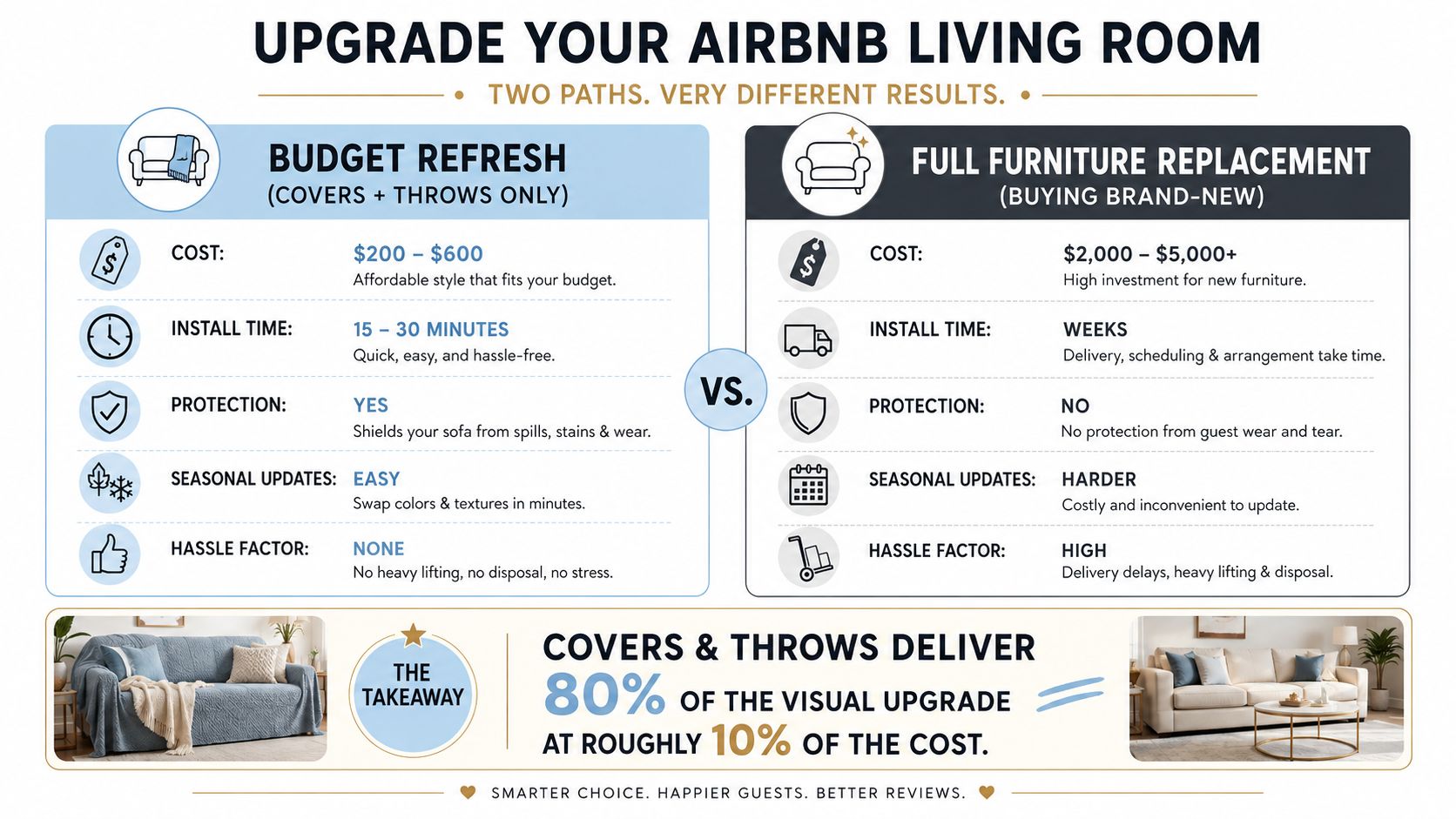
Fresh, cohesive décor makes an Airbnb listing more appealing when the styling looks intentional, suits the property, and remains practical to clean. A refreshed sofa and coordinated throws can change the room's impression without requiring a furniture replacement.
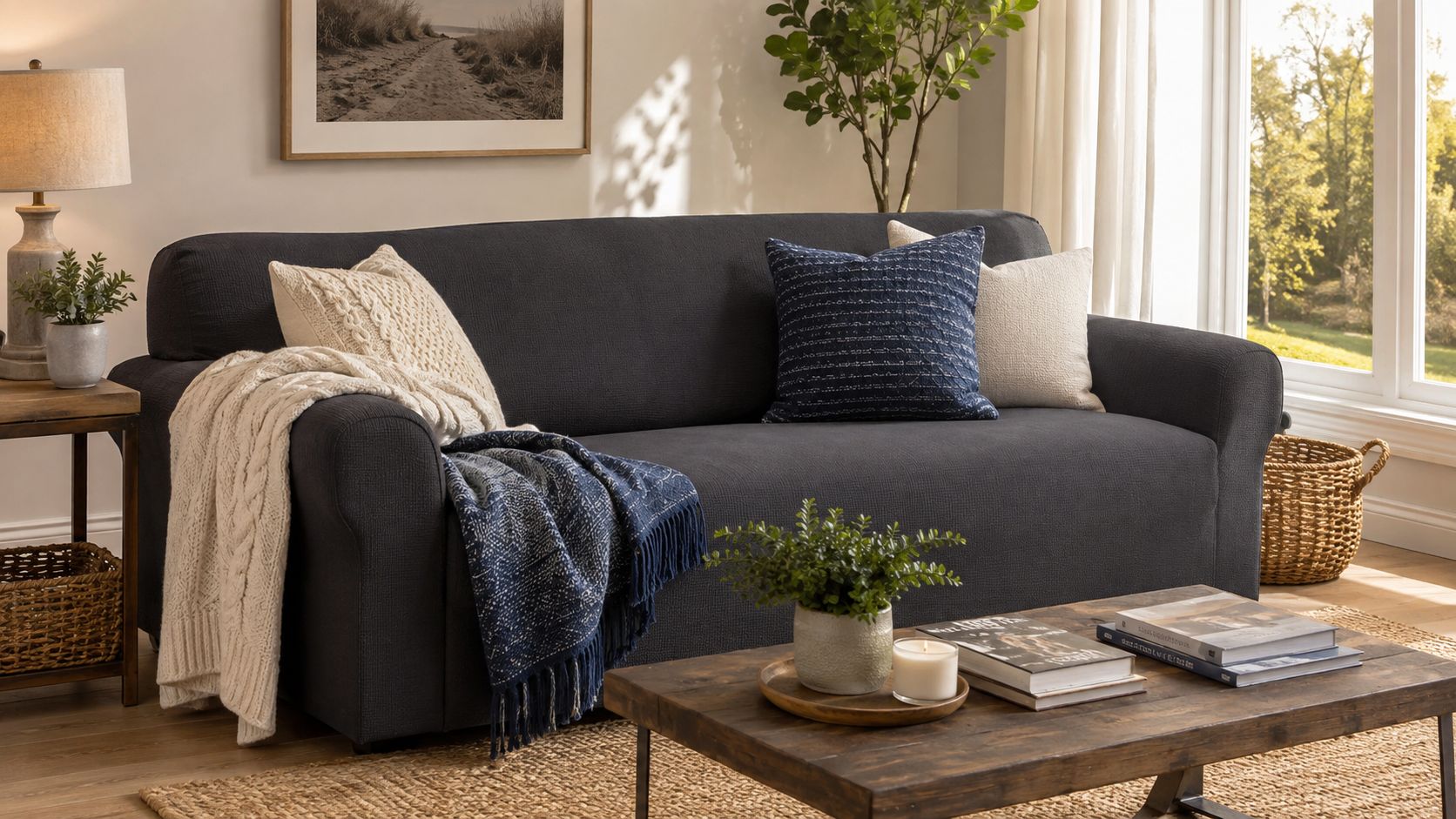
Start with the largest visual item, usually the sofa. Choose a neutral or versatile cover colour that works with the walls, flooring, curtains, and existing artwork. A charcoal cover can ground a bright room, while beige or soft grey can make a compact space feel lighter. Textured jacquard can add visual depth, but only choose a fabric you can maintain between stays.
Practical rule: Style the room for the camera, then sit in it as a guest. If the arrangement looks attractive but blocks pathways, hides power points, or leaves nowhere to place a drink, redesign it.
Layer throws in complementary textures rather than matching every item exactly. One soft plain throw, one textured option, and a restrained accent can create a finished appearance without making the lounge look staged or cluttered. Waterproof protection is sensible in high-traffic areas, especially where guests eat, children play, or pets are accepted.
Use the refreshed room as a listing asset. Photograph it in natural light, remove visual clutter, and show enough of the living space for guests to understand its size and layout. For further styling ideas, see these modern living design ideas. The same principle applies to broader listing optimisation, including guidance on how to boost Airbnb bookings in Florida, although the operational decisions still need to suit your Australian market.
2. Why should you protect your sofa and furniture from guest damage?
Waterproof or stain-resistant sofa covers protect Airbnb upholstery from spills, marks, shedding, and everyday wear, but they don't replace sensible rules or inspections. The cover should act as a replaceable working layer, while the underlying sofa remains available for future guests.
Guest turnover creates unpredictable use. A visitor may eat on the sofa, bring wet clothing inside, allow a pet onto the furniture, or spill a drink during a quiet evening. Upholstery damage becomes harder to manage when the host discovers it after the next guest has arrived, so inspect both the cover and the furniture beneath it during every reset.
Choose protection according to risk:
- Living-room upholstery: Prioritise waterproof or water-resistant covers where spills and pet accidents are plausible.
- Guest-room furniture: Use washable standard covers for occasional contact, but don't assume a bedroom cover needs the same barrier as a lounge.
- Rotation stock: Keep spare covers so cleaning doesn't depend on same-day drying.
- Fit and security: Check straps, foam inserts, seams, and exposed edges after each departure.
- Records: Note existing marks and condition in host records, and photograph significant damage before repair.
Wash a cover immediately when it has visible staining or odour. A rotation system is more dependable than hoping one cover dries before the next check-in. Practical guidance on managing pet hair and furniture cleaning is also available from Pet Magasin's furniture cleaning advice, while this guide to a waterproof sofa cover explains why a barrier can be useful in a busy living area.
3. How do you create a professional, Pinterest-worthy living room for guest photos and reviews?
A professional Airbnb living room needs a clear visual hierarchy, comfortable seating, consistent colour, and enough empty space for the room to photograph accurately. Coordinated covers, throws, cushions, and lighting should make the space feel cared for rather than over-decorated.
Use the sofa as the anchor. A neutral base such as grey, beige, or charcoal generally gives you more flexibility when you change artwork or seasonal textiles. Add texture through a throw or cushion rather than relying on multiple competing patterns. Guests should understand the room within a few seconds of seeing the photograph.
Photography needs its own discipline. Shoot in natural light where possible, straighten cushions, remove personal items, and photograph from a height that reflects how a guest experiences the room. Include a wide image that shows circulation and seating, then use closer images to reveal fabric texture and small details.
Airbnb gives hosts a way to track the share of five-star ratings across seven review categories, monitor overall rating trends, and compare performance with similar listings through its Insights area (Airbnb hosting performance insights). Use those tools to identify whether presentation problems sit alongside comments about cleanliness, comfort, or accuracy. Don't claim that décor alone produced a review result when the guest may be responding to several parts of the stay.
4. What's the easiest way to refresh your property seasonally without buying new furniture?
The easiest seasonal Airbnb refresh is to rotate washable throws, cushions, artwork, and, where the fit is confirmed, sofa covers instead of replacing large furniture. This changes the room's mood while keeping the underlying layout and cleaning process familiar.
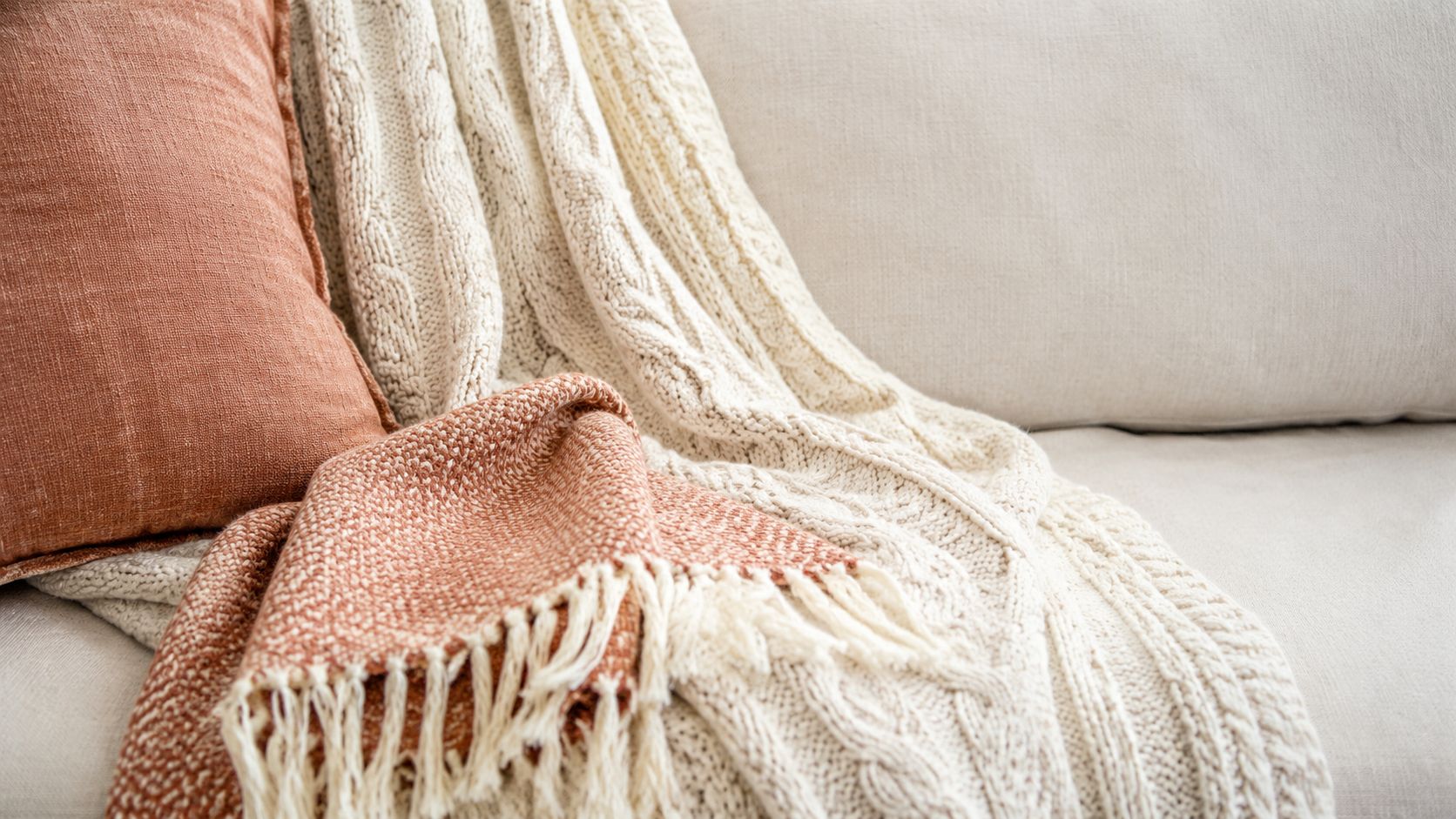
Use a permanent neutral base and store a small group of seasonal textiles. Warm terracotta, rust, and deeper tones can make a cool room feel cosier in autumn and winter. Lighter colours and breathable-looking fabrics suit a bright spring or summer presentation, especially in coastal or tropical properties.
The key trade-off is storage. More options create more laundry, labelling, and inventory work, so don't buy a separate collection for every possible theme. Keep each rotation simple enough that a cleaner can identify the correct set without asking you.
What should a seasonal rotation include?
- A reliable base: Keep one neutral cover and core cushions available at all times.
- A warm option: Use richer tones and tactile throws for cooler periods.
- A light option: Choose brighter, less visually heavy textiles for warmer periods.
- A storage label: Mark each set clearly and store it dry, protected from dust and moisture.
- A photo set: Photograph each approved arrangement so the listing and turnover instructions match.
Change the styling before demand shifts, not after the first booking arrives. The photographs must represent the property guests will enter, so update listing images whenever the room changes materially. A seasonal refresh works when it saves replacement costs without creating a second decorating job for every turnover.
5. How can you make your pet-friendly Airbnb both welcoming and protected?
A pet-friendly Airbnb works best when the guest promise, furniture protection, and turnover routine support one another. Accepting pets can broaden your guest base, while washable barriers and clear rules help control hair, odour, scratches, and accidents.
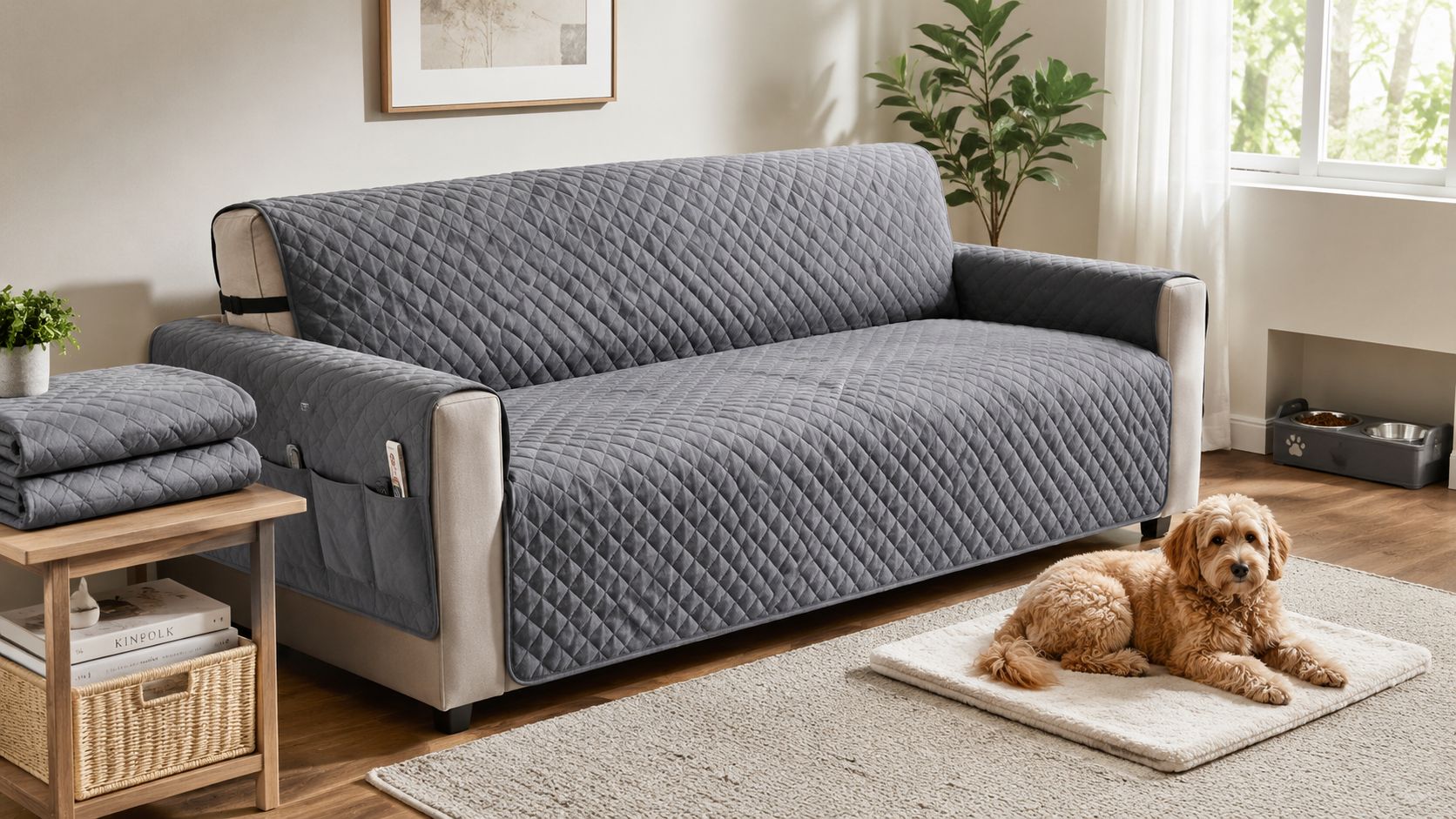
Set up the sofa for real pet access. Use a water-resistant cover that can be removed, washed, dried, and refitted before the next arrival. Secure its edges so an active pet cannot pull the fabric loose. Keep spare covers and throws in a labelled, dry storage area, allowing the cleaner to replace a soiled set without searching for supplies.
Make the rules specific and practical. State where pets may go, how owners should clean up, whether sofa access is allowed, and what to do after an accident. If furniture access is prohibited, provide a washable floor mat or pet bed. A clear alternative is easier for guests to follow than a restriction with no workable option.
Build the inspection into the turnover checklist:
- Hair: Vacuum seams, under cushions, throws, and nearby flooring.
- Odour: Check the room after ventilation, not immediately after cleaning.
- Moisture: Inspect the cover, cushion edges, and floor around the sofa.
- Damage: Look for scratches, pulled threads, and displaced straps.
- Replacement: Remove damaged textiles until they meet the presentation standard again.
The cleaner should record exceptions, such as a damp cushion or persistent odour, before the property is released. That creates a repeatable decision point instead of relying on appearance alone.
Before listing, check local laws, licensing, and community-policy requirements in Airbnb Australia hosting requirements. Pet-friendly presentation does not override building rules, insurance conditions, or local restrictions.
6. Why does investing in high-quality sofa covers and throws improve guest satisfaction ratings?
High-quality sofa covers and throws can improve perceived comfort when they feel soft, fit securely, and look consistent with the rest of the room. They don't guarantee better reviews, because guests judge the complete stay, but poor fit and cheap-looking textiles can undermine an otherwise careful property.
Guests notice touch as well as appearance. A loose cover that bunches under someone's legs, rough fabric, or a throw that looks worn sends a maintenance signal. A properly fitted cover with a stable seat and clean, soft throw communicates care before the guest has evaluated the kitchen, bathroom, or bedroom.
Choose fewer pieces if the budget is limited. One well-fitted cover on the main sofa is more useful than several thin covers that wrinkle, shift, or require constant adjustment. Check wash instructions, colourfastness, drying requirements, and replacement availability before committing to a fabric across multiple properties.
Use truthful sensory language in the listing. You can describe a throw as soft or cosy if it feels that way, but don't call an ordinary textile luxurious, stain-proof, or waterproof unless the product specification supports it. Guests penalise inaccurate expectations more heavily than modest presentation.
A premium-looking room starts with maintenance-friendly materials, not decorative excess.
Review your rating trends through Airbnb's host Insights rather than assigning every change to the sofa. If category feedback improves after a textile update, record that observation, but keep testing cleanliness, communication, comfort, and accuracy separately. That approach produces better decisions than chasing a rating number through décor alone.
7. How can throw blankets and layered textures elevate comfort, décor, and perceived property value?
Throw blankets enhance an Airbnb living room when they add genuine comfort and controlled visual texture without obstructing seating or creating extra cleaning confusion. A neutral sofa cover paired with a small number of contrasting textiles usually looks more deliberate than a room filled with unrelated patterns.
Use texture to create depth. A smooth cover can sit beneath a cable-knit or woven throw, while a jacquard cover may work better with a simpler plain textile. Keep the colour palette narrow, then introduce one accent through a cushion or folded blanket.
Placement matters. Drape one throw over an arm or back where a guest can reach it easily, rather than arranging every textile in a rigid display. After checkout, shake out the throw, check for marks, refold or redrape it, and remove it from service if it has hair, odour, or staining.
How many layers should a host use?
For most sofas, use a restrained arrangement rather than covering every surface. Two or three throws can be enough when each has a clear role, but the correct amount depends on sofa size, seating capacity, and the room's existing pattern.
- Base layer: A plain cover establishes the main colour.
- Comfort layer: A soft throw gives guests something practical to use.
- Accent layer: A restrained pattern or contrasting tone adds character.
- Support layer: Coordinated cushions can connect the sofa to artwork or rugs.
Photograph the final arrangement from multiple angles, then add those images to the turnover reference. The goal isn't to create a showroom that no cleaner can reproduce. It's to make the intended presentation obvious and easy to restore.
8. What maintenance routine keeps sofa covers and throws fresh between guest rotations?
Treat each turnover as a condition check, not just a laundry handoff. Inspect covers and throws after checkout, remove anything with marks or odour, and wash it according to the care label. Return textiles to the sofa only when completely dry. The next guest's arrival time should determine whether a spare set is required.
A quick visual check can miss food residue, pet hair, and trapped smells. Have the cleaner inspect seams, cushion gaps, armrests, and the floor beneath the sofa. Check the fit as well. If a cover has shifted, refit it with the correct inserts and straps so the living room matches the listing photographs.
Keep the process consistent with five controls:
- Colour: Follow the care-label temperature and use a suitable mild detergent.
- Shape: Choose drying methods that reduce shrinkage and fabric distortion.
- Hygiene: Separate used textiles from clean stock during every turnover.
- Availability: Keep a spare set ready when drying time could delay staging.
- Storage: Fold clean items, protect them from dust and moisture, and label their location.
Presentation belongs in the cleaner's checklist. Provide a reference photograph, identify the storage location for clean stock, and set a clear escalation rule for stains, damage, or missing pieces. A photograph removes guesswork and makes the intended setup repeatable across different cleaners.
For properties with frequent bookings, assign deeper inspection and fabric care as a separate maintenance task. A standard turnover can restore the room, but it should not carry every repair, stain review, and textile-care decision.
9. How can you measure your Airbnb sofa correctly to ensure covers fit securely and look professional?
A cover that fits well starts with a reliable measurement record. Measure the sofa in its current condition, then match the results with the supplier's sizing chart. Covers are not interchangeable across a standard sofa, L-shaped sectional, sofa bed, recliner, or armchair.
Start with the structure guests use. Record arm-to-arm length, seat depth, cushion depth, overall height, and the sofa's configuration. Note whether cushions are fixed or removable, unusually deep, or connected to a bed mechanism. Photograph the furniture from the front and side, and store the measurements with the property's setup notes so another cleaner or replacement buyer can use them.
For a sectional or L-shaped sofa, measure each section separately unless the supplier confirms that one combined cover is designed for that configuration. A single total length can hide differences in depth, arm shape, or corner construction.
Measure these points before ordering
- Length: Measure from the outside edge of one arm to the outside edge of the other.
- Depth: Measure from the front edge to the back, including the cushion profile where the supplier requires it.
- Height: Measure from the floor to the highest relevant point.
- Configuration: Record whether it is a standard sofa, sectional, sofa bed, armchair, or another form.
- Security: Check that foam inserts and under-sofa straps suit the sofa base.
A borderline measurement needs the supplier's instructions. Sizing up can leave excess fabric that sags and shifts, while sizing down can strain seams or leave upholstery exposed. Keep the final measurements, photographs, and chosen size together in the turnover record. This arm-to-arm measurement guide can help standardise that record for future replacements.
10. Can layering different textures and colours in your living room elevate perceived property value?
Layered textures and colours can make an Airbnb living room feel more considered and comfortable, but the effect depends on restraint, fit, and consistency. A charcoal jacquard cover, a cream knit throw, and one muted accent can look polished; several unrelated colours and patterns can make the same room feel chaotic.
Build from one neutral base. Grey, beige, and charcoal are flexible because they work with different artwork and seasonal accents. Add one warm and one cool note only if the room needs contrast. Coordinated cushions can connect those colours, but they shouldn't reduce usable seating or create a surface guests feel reluctant to touch.
Use texture rather than excessive colour to signal quality. Pair a smooth fabric with a woven throw, or let a patterned cover sit beside a plain blanket. The materials should differ enough to be visible in photographs while remaining easy to wash and replace.
How can a host keep the styling repeatable?
Create a reference image for the cleaner and name each textile set. Specify where each throw belongs, which cushions face outward, and which items are stored after use. This prevents the room from drifting gradually as different people reset it.
Review the listing after every substantial change. If the room no longer resembles the photographs, update the images or restore the approved layout. A polished presentation is valuable only when the guest receives the same visual promise shown online.
Airbnb Host Tips: 10-Point Comparison
| Item | 🔄 Implementation complexity | ⚡ Resources & cost / Time | 📊 Expected outcomes & impact | 💡 Ideal use cases | ⭐ Key advantages |
|---|---|---|---|---|---|
| How can you make your Airbnb listing stand out with fresh, cohesive décor? | Moderate, selection + styling; simple install | Moderate ($200–600); install 15–30 min | Strong photo appeal; higher nightly rates and better first impressions | Hosts with dated furniture seeking affordable refresh | Affordable visual upgrade; protects upholstery; easy seasonal updates |
| Why should you protect your sofa and furniture from guest damage? | Low–Moderate, purchase/install covers across seating | Low–Moderate ($250–500); install same-day; maintenance 1–2 hrs/week | Fewer repairs/cleaning costs; faster turnovers; longer furniture life | High-turnover or pet-friendly properties | Prevents costly damage; peace of mind; saves on professional cleaning |
| How do you create a professional, Pinterest-worthy living room? | Moderate, coordinated purchase + styling | Moderate ($300–700); initial 2–3 hrs; 30 min maintenance/checks | Higher click-through, bookings and ratings; boutique feel | Listings targeting premium guests or featured-listing status | Photo-ready, cohesive styling; justifies premium pricing |
| What's the easiest way to refresh your property seasonally without buying new furniture? | Low, swap covers/throws seasonally | Low–Moderate ($300–500); 30 min per swap; 2–3 hrs initial prep | Keeps listing current; can boost shoulder-season occupancy | Hosts wanting frequent aesthetic updates without big spend | Low-cost seasonal change; flexible look; quick to execute |
| How can you make your pet-friendly Airbnb both welcoming and protected? | Moderate, choose durable/waterproof options; higher upkeep | Moderate–High ($350–700); install 20–30 min; 1–2 hrs cleaning post-checkout | Attracts pet guests; higher occupancy and potential premium | Pet-friendly listings targeting dog/cat owners | Access to pet market while protecting furniture; odour control |
| Why does investing in high-quality sofa covers and throws improve guest satisfaction ratings? | Moderate, sourcing premium fabrics + fit | Moderate ($400–800); research 2–3 hrs; install same-day | Improved comfort perception and higher review scores | Hosts aiming to increase ratings and perceived value | Perceived luxury; better tactile comfort; durable appearance |
| How can throw blankets and layered textures elevate comfort, décor, and perceived property value? | Low–Moderate, selection and purposeful layering | Low–High ($100–1,000); initial 2–4 hrs; per-room 15–30 min | Enhanced photos and comfort; higher booking quality | Budget-conscious hosts to boutique properties | High visual impact for low cost; added guest comfort |
| What maintenance routine keeps sofa covers and throws fresh between guest rotations? | Moderate, recurring cleaning process | Minimal equipment cost; 1.5–2 hrs per wash; 3–5 hrs/week total | Consistent hygiene; fewer cleanliness complaints; lower pro-clean costs | High-turnover listings and property managers | Reliable cleanliness; quick redeployment; longer product life |
| How can you measure your Airbnb sofa correctly to ensure covers fit securely and look professional? | Low, straightforward measuring + test fit | Minimal cost; 15–20 min per sofa; 15–30 min install | Correct fit prevents wrinkles/shifting; fewer returns | Any host buying fitted covers (sectionals, sofa beds) | Ensures professional look; avoids wasted orders and poor fit |
| Can layering different textures and colours in your living room elevate perceived property value? | Moderate, coordinated layering and styling | Moderate–High ($500–1,000); initial 3–4 hrs; 20–30 min restyling | Perceived luxury; higher nightly rates and occupancy | Boutique or upscale listings seeking designer feel | Strong perceived value uplift; refined, hotel-like aesthetic |
Turn Good Hosting Into a Repeatable System
The best Airbnb host tips become useful when they form a system rather than a collection of isolated upgrades. Start with the seating. Measure every sofa, sectional, sofa bed, and armchair accurately, record the dimensions and configuration, and order only a cover with confirmed compatibility. If a product doesn't fit a particular shape, say so plainly in your own records and listing decisions.
Protect the furniture before increasing guest access. Use washable barriers in high-risk areas, keep clean backups, and inspect the underlying upholstery when covers are removed. Choose throws that guests can use, not fragile decorations that create more laundry and more opportunities for inconsistent staging.
Then review the listing promise. Your photos should show the current room, the description should state the sleeping arrangements and amenities, and your rules should cover noise, pets, smoking, parties, maximum occupancy, and furniture use where relevant. Don't hide limitations. Accurate expectations prevent avoidable complaints.
Pricing should reflect local demand and comparable listings, not a national average copied into every calendar. Airbnb's hosting insights use recent search and booking behaviour and can recommend lowering minimum stays, reducing advance notice, extending the booking window, or adjusting the base price to capture demand (Airbnb's local hosting insights). Treat those recommendations as signals to test, especially where short-lead domestic demand matters, rather than as automatic instructions.
Compliance belongs in the operating system. In NSW, every short-term rental accommodation property must be registered, and the state guidance includes fire-safety obligations. Airbnb's NSW information states that registration costs AUD 65 for the first 12 months and AUD 25 for annual renewal, while unhosted stays in Greater Sydney and nominated regional NSW areas face a 180-night annual cap, with stays longer than 21 consecutive days exempt from that cap (NSW STRA registration and requirements). NSW also has a two-strike framework where two serious breaches within a two-year period can lead to a five-year industry exclusion, including across STR platforms according to Airbnb's NSW guidance (NSW STRA Code of Conduct).
Other states use different settings. Victoria applies a 7.5% short-stay levy to stays under 28 nights from 1 January 2025. The ACT applies a 5% levy to platform bookings of 28 days or fewer from 1 July 2025, with a stated increase to 7.5% from 1 July 2027 (Australian short-term rental rules). Check the rules for the property's exact location before publishing or changing the business model.
Finally, write the turnover checklist. It should cover:
- Laundry: Remove, wash, dry, fold, and restock covers, throws, towels, and bedding.
- Damage checks: Inspect upholstery, walls, appliances, locks, windows, and outdoor areas.
- Inventory: Replace consumables and record missing or damaged items.
- Safety: Confirm smoke alarms, access paths, lighting, and required safety equipment.
- Staging: Match the approved photographs, including cushions, throws, and furniture placement.
- Accuracy: Confirm that anything advertised remains available and functional.
- Final control: Walk the property as a guest would, then photograph any unresolved issue before check-in.
The Australian Taxation Office treats Airbnb earnings as taxable income and requires hosts to include income before fees and commissions are deducted, including host and cleaning fees (ATO guidance on Airbnb rental income). Build that reporting requirement into your records from the first booking. For a practical furniture refresh, Casamé Home offers washable sofa covers, waterproof options, textured jacquard fabrics, and throw blankets, but measure the furniture and confirm the fit before choosing a product.
Visit Casamé Home to compare Australia-focused sofa covers and throw blankets for a cleaner, more consistent Airbnb living room presentation. Use the measuring and fitting guidance to protect high-wear furniture, then build the selected textiles into your photography and turnover checklist.


